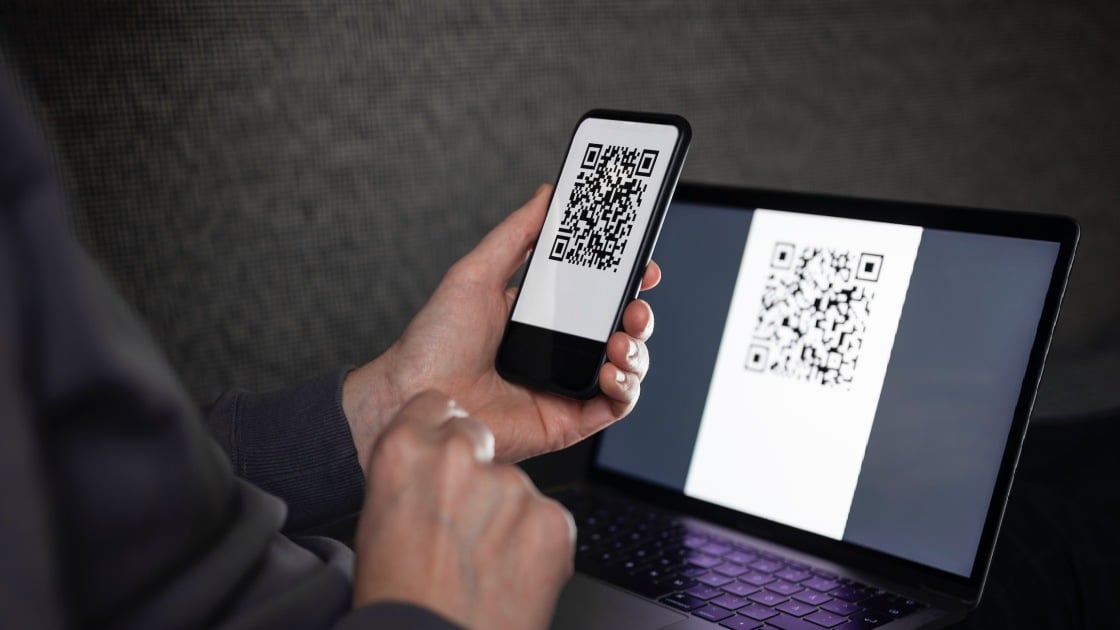
The FBI is warning that a state-sponsored North Korean hacking group has been using malicious QR codes to help them spy on select users.
A group known as Kimsuky has been sending the malicious QR codes to victims through emails, the FBI says. QR codes themselves can’t infect or tamper with a phone. But they can forward the user’s device to a malicious website dressed up to trick the user into downloading malware or typing sensitive information into a form.
The FBI also notes that the same malicious websites can learn details about a user’s device, including IP address, operating system, and location. The site can then serve up a “mobile-optimized” page to impersonate the login portals for Microsoft 365, Okta, or VPNs in an effort to steal credentials.
Weaponized QR codes aren’t new, but they’re normally associated with scammers rather than state-sponsored hackers. The FBI suggests the North Koreans are using the QR codes to bypass anti-phishing safeguards that involve checking for malicious internet URLs in emails.
Kimsuky has been around for over a decade, and is known to conduct cyber-spying and intelligence gathering for the North Korean government. However, the group hasn’t traditionally gone after consumers at a large scale. Instead, it select targets through what’s called a “spearphishing” or those tailored to specific individuals. Targets have included officials with think tanks, academic institutions, and members of the US and foreign governments.
The FBI alert says that in May 2025, Kimsuky sent an email containing a malicious QR code to a think tank leader “regarding recent developments on the Korean Peninsula.” The email included the QR code to “scan for access to a questionnaire.”
“Later that month, Kimsuky actors spoofing an embassy employee sent an email requesting input from a senior fellow at a think tank regarding North Korean human rights issues,” the alert adds. “The email contained a QR code that purported to provide access to a secure drive.”
The FBI is urging the public to be aware of the risks of scanning unsolicited QR codes. It also recommends that users “verify QR code sources through secondary means (such as contacting the sender directly), especially before entering login credentials or downloading files.”

Get Our Best Stories!
Stay Safe With the Latest Security News and Updates
By clicking Sign Me Up, you confirm you are 16+ and agree to our Terms of Use and Privacy
Policy.
Thanks for signing up!
Your subscription has been confirmed. Keep an eye on your inbox!
About Our Expert

Michael Kan
Senior Reporter
Experience
I’ve been a journalist for over 15 years. I got my start as a schools and cities reporter in Kansas City and joined PCMag in 2017, where I cover satellite internet services, cybersecurity, PC hardware, and more. I’m currently based in San Francisco, but previously spent over five years in China, covering the country’s technology sector.
Since 2020, I’ve covered the launch and explosive growth of SpaceX’s Starlink satellite internet service, writing 600+ stories on availability and feature launches, but also the regulatory battles over the expansion of satellite constellations, fights with rival providers like AST SpaceMobile and Amazon, and the effort to expand into satellite-based mobile service. I’ve combed through FCC filings for the latest news and driven to remote corners of California to test Starlink’s cellular service.
I also cover cyber threats, from ransomware gangs to the emergence of AI-based malware. Earlier this year, the FTC forced Avast to pay consumers $16.5 million for secretly harvesting and selling their personal information to third-party clients, as revealed in my joint investigation with Motherboard.
I also cover the PC graphics card market. Pandemic-era shortages led me to camp out in front of a Best Buy to get an RTX 3000. I’m now following how President Trump’s tariffs will affect the industry. I’m always eager to learn more, so please jump in the comments with feedback and send me tips.