
 Miguela Xuereb
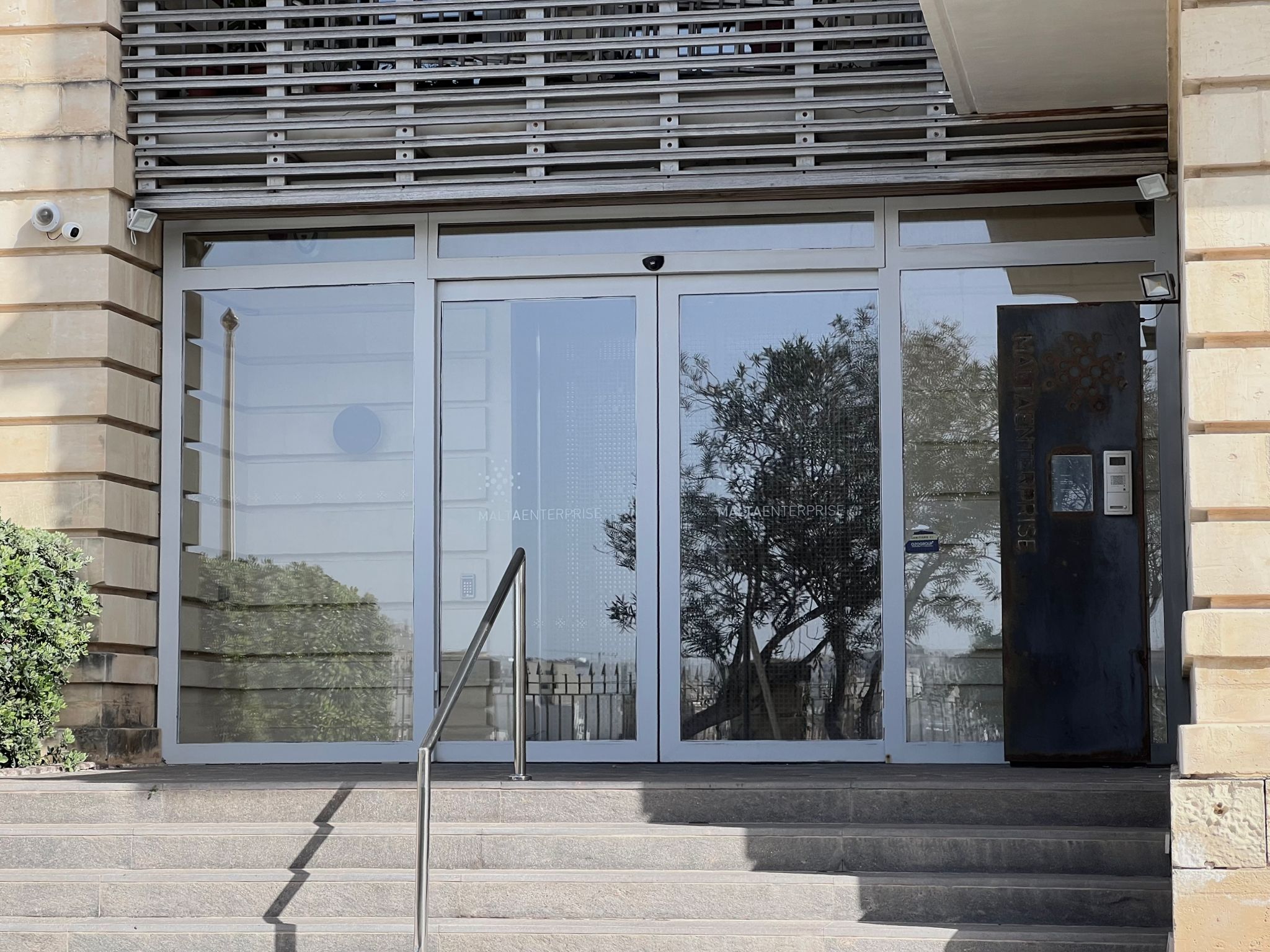
Malta Enterprise has successfully reclaimed over €33,000 in salary overpayments from Jerome Spiteri, a former Commercial Representative for North Africa who continued receiving duplicate wages after being seconded to the Ministry for Foreign Affairs as Consul General.
Madam Justice Audrey Demicoli ruled on Thursday that Spiteri must repay €33,333.28 received “unjustifiably” between May and December 2021, plus legal interest and court costs.
The case centred on Spiteri’s dual employment status. Originally hired by Malta Enterprise in 2014 as Commercial Representative in Libya, he was subsequently posted to Tunisia in October 2015 under a contract requiring him to perform consular duties alongside commercial work.
When Spiteri was appointed Consul General for Morocco in April 2021, he was seconded to the Foreign Ministry, which began paying his salary directly. However, Malta Enterprise continued making payments simultaneously, resulting in double remuneration for eight months.
Spiteri acknowledged receiving the duplicate payments, stating in correspondence: “Without prejudice, I am not contesting this matter.” However, he mounted a vigorous counter-claim for €113,285.22 in allegedly unpaid allowances and bonuses accumulated during his postings in Algeria and Morocco.
His counter-claim comprised post adjustment allowances (€101,110.22), performance bonuses (€4,875), qualification allowances (€6,800) and outfit allowances (€500). Spiteri requested the court order a “set-off”, whereby amounts owed by both parties would be offset against each other.
Malta Enterprise contested the counter-claim on multiple grounds, including that it was not the legitimate contracting party for certain benefits, and that discrimination-based claims fell under the exclusive jurisdiction of the Industrial Tribunal rather than the Civil Court.
Justice Demicoli dismissed Spiteri’s claims for post adjustment and qualification allowances, finding he had received the full amounts specified in his employment contracts. Regarding post adjustment allowances, the court noted Spiteri was paid €50,000 annually from February 2017 onwards, precisely the amount stipulated in his contract, regardless of any separate reimbursement arrangements between Malta Enterprise and the Foreign Ministry.
The court abstained from ruling on performance bonuses, noting these required following established procedures including submission of approved performance review reports. Justice Demicoli declared Spiteri’s right to claim future performance bonuses remains unprejudiced provided he follows proper procedures and submits required documentation.
Regarding qualification allowances, the court found Spiteri’s argument “fallacious,” noting he sought preferential treatment simply for meeting minimum requirements whilst ironically alleging discriminatory treatment elsewhere.
Simon Caruana, Malta Enterprise’s Head of Human Resources, testified the corporation would process performance bonuses upon receipt of signed performance review reports, stating: “All he needs to do is send us the performance review report signed by him and his superior.”
Spiteri must now repay the full €33,333.28 plus legal interest from when the judgement becomes final.

