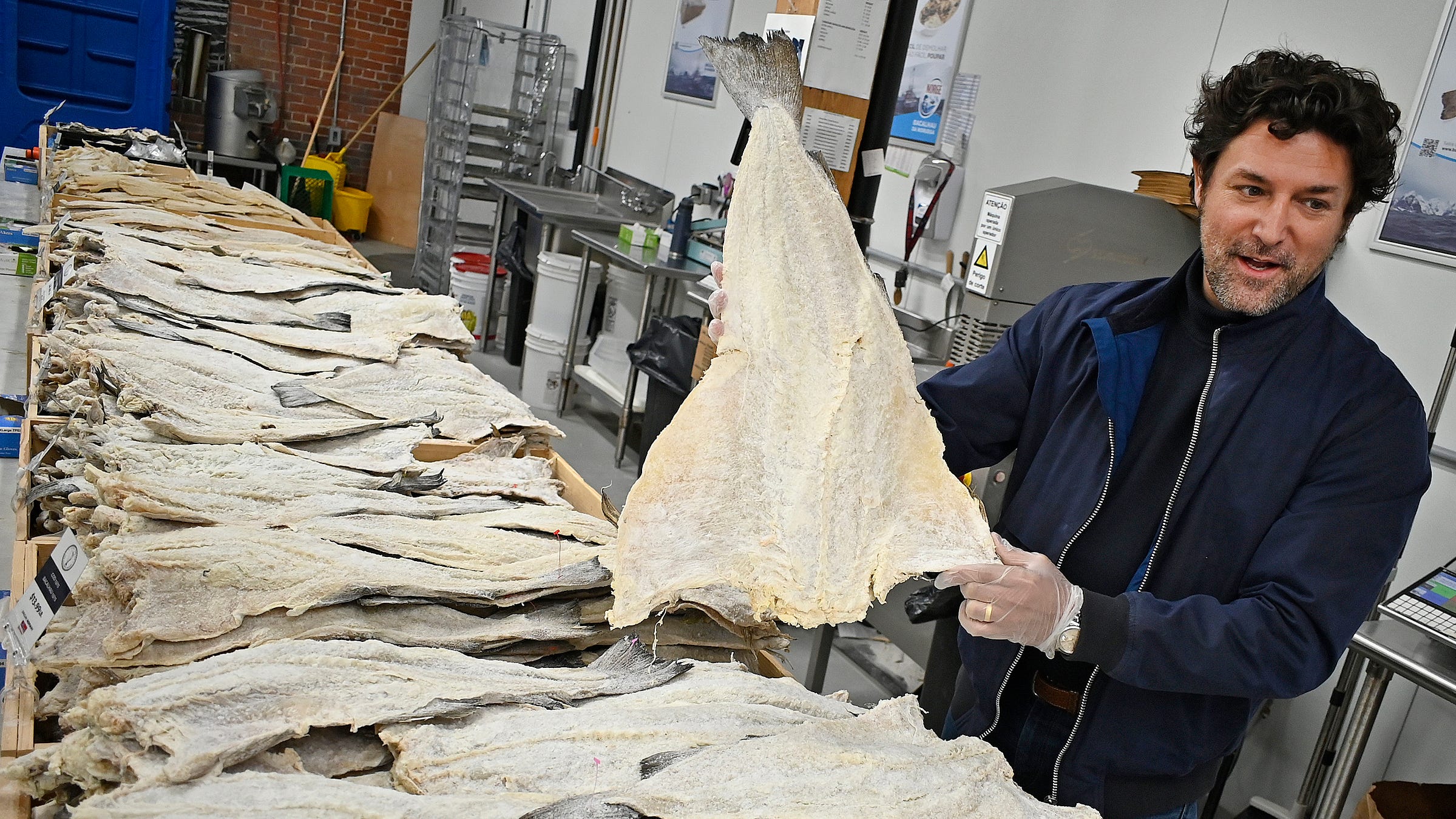

Portugalia Marketplace in Fall River sells salted cod
Behind the scenes at Portugalia Marketplace’s room for salted cod.
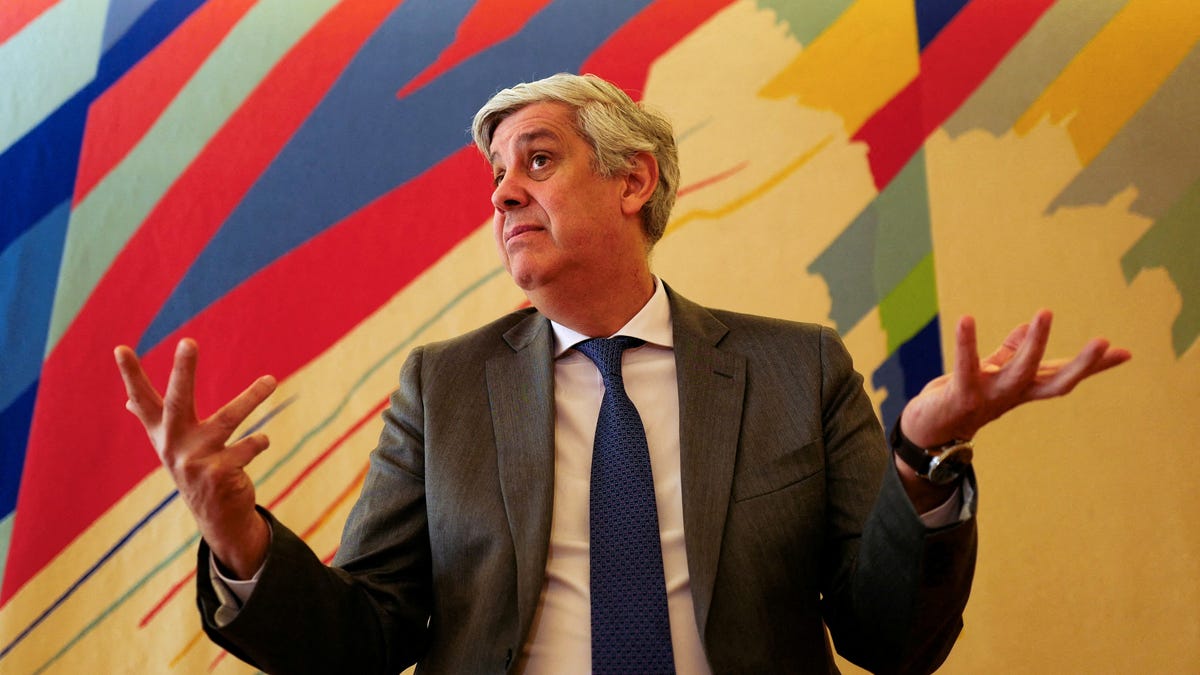
Portugal has nominated its former central bank chief, Mário Centeno, for the vice-presidency of the European Central Bank.Centeno is one of six candidates competing for the position, which will become vacant in May 2026.He previously served as the president of the Eurogroup and was known for his dovish stance on the ECB’s Governing Council.Four of the six seats on the ECB’s executive board will be open by the end of 2027, including that of the president.
Portugal’s finance ministry has submitted the country’s former central bank chief Mário Centeno as a candidate to become the next vice-president of the European Central Bank, it said on Friday. Jan. 9.
Centeno told Portuguese news outlet Eco on Thursday, Jan. 8 that he had had encouraging conversations across Europe regarding the job, but he acknowledged the outcome was far from certain in a challenging political context.
Five other candidates are in the running, including former European Commissioner Olli Rehn, Croatian central bank chief Boris Vujcic, Latvia’s Martins Kazaks, Estonian governor Madis Muller and former Lithuanian Finance Minister Rimantas Sadzius.
ECB watchers think Rehn may have an edge in the race, while Centeno’s chances may be hampered by the fact that he was an outlier in many policy debates while in office.
Centeno led the Portuguese central bank from 2020 to October 2025, when he was succeeded at the end of his term by Álvaro Santos Pereira. Before that, Centeno served as president of the Eurogroup body comprising euro zone finance ministers.
He was a vocal dove on the ECB’s Governing Council.
Candidates for the ECB vice-presidency need backing from their national governments before moving to an EU-level selection process involving the Eurogroup, the European Parliament and EU leaders.
Four of the six seats on the ECB’s executive board will be vacant by the end of 2027, starting with Vice President Luis de Guindos, whose term ends in May 2026.
The terms of ECB President Christine Lagarde, chief economist Philip Lane and board member Isabel Schnabel expire in 2027, likely triggering competition among euro zone capitals for the bloc’s top monetary policy jobs.