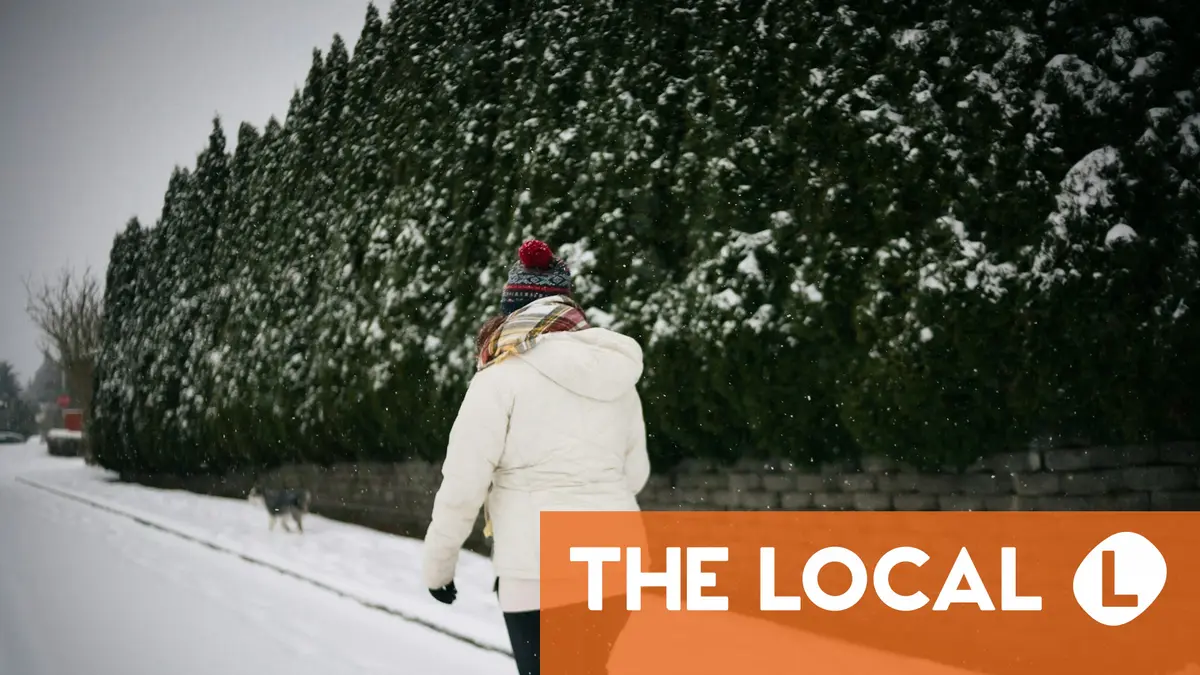
Be prepared for a cold weekend in Norway, followed by a quick temperature shift on Monday.
After one of the warmest Decembers on record, 2026 has delivered a brutal reality check. According to the Norwegian Meteorological Institute (Yr), the first eight days of January are the coldest start to a year since 2010, ranking among the 10 coldest starts ever in Norway.
With an Atlantic low-pressure system linked to Storm Goretti moving in, people should get ready for very cold weather and a risky weather shift.
This weekend will be cold and wintry. Southern Norway will have mostly clear skies and below-freezing temperatures in many areas. Nordland should expect some rain or snow on Saturday and Sunday.
Meteorologists also warns that Monday could bring a quick thaw, leading to some of the season’s most dangerous road conditions.
Advertisement
The weekend
The weekend started with record-breaking cold across the country, as VG mentioned. Karasjok in the far north reached a staggering -41.4°C on Friday morning, its coldest since 2017, while Folldal in the southern interior dropped to -32°C.
In major cities like Oslo, temperatures will be between -10°C and -15°C. In Eastern Norway and the interior, it could drop as low as -20°C.
This extreme cold is caused by a deep pool of Arctic air over the mainland.
Most of Southern Norway will have very cold weather and clear skies this weekend. Meteorologists suggest enjoying the sunny, idyllic white landscapes while they last, since it will be a while before the sun comes back.
While inland areas are freezing, an Atlantic low-pressure system associated with Storm Goretti is causing strong winds along the coast and disrupting ferry services. Meteorologists warn that Agder and parts of Viken could see dangerous conditions, with heavy snow and strong winds reducing visibility on mountain roads and highways.
Meanwhile, the Nordland coast will be the mildest area, with temperatures just above zero and a mix of rain and snow.
Check the website.
Advertisement
Monday’s warning
The main warning for the public concerns Monday. The “Blue” cold (Arctic air) will be replaced by “Red” (Atlantic air), causing a quick thaw and leading to Norway’s most dangerous road condition: underkjølt regn (freezing rain).
When rain falls on frozen ground, it forms “black ice”, a clear layer that makes roads and sidewalks extremely slippery. For people new to Norway, this can be very dangerous and feel like an “ice trap.”
Surfaces may look just wet, but they are actually very slick. Hospitals usually see more injuries during these times. If you have brodder (ice spikes), make sure to use them on Monday morning.
Advertisement
Public transport
The severe weather will likely disrupt daily life across Norway. Commuters should be prepared for more delays, as freezing rain can make roads unsafe and affect trams, buses, and train lines. Meteorologists have warned about “challenging driving conditions” (utfordrende kjøreforhold) in Eastern Norway.
Advertisement
Extra advice
With record-low temperatures, heating demand is very high. Residents should watch spot prices to control costs. If you live in an older apartment, let your taps drip slightly during the -20°C freeze to keep water moving and stop pipes from freezing or bursting.
Use your transport apps to get real-time updates. If you live in Oslo, check our article about Ruter and winter delays.
When it’s -15°C or colder, keep your dog’s walks short, since road salt and the cold can hurt their paws.
Don’t forget to wear ice spikes and dress warmly.
If you are traveling, know that Storm Goretti has caused major disruptions across parts of Western Europe.
READ MORE: The essential vocabulary for talking about the weather in Norway