India has consistently defended its purchase of Russian oil, maintaining that its energy sourcing decisions are guided by market realities and the need to ensure affordable energy supplies for its population of 1.4 billion.
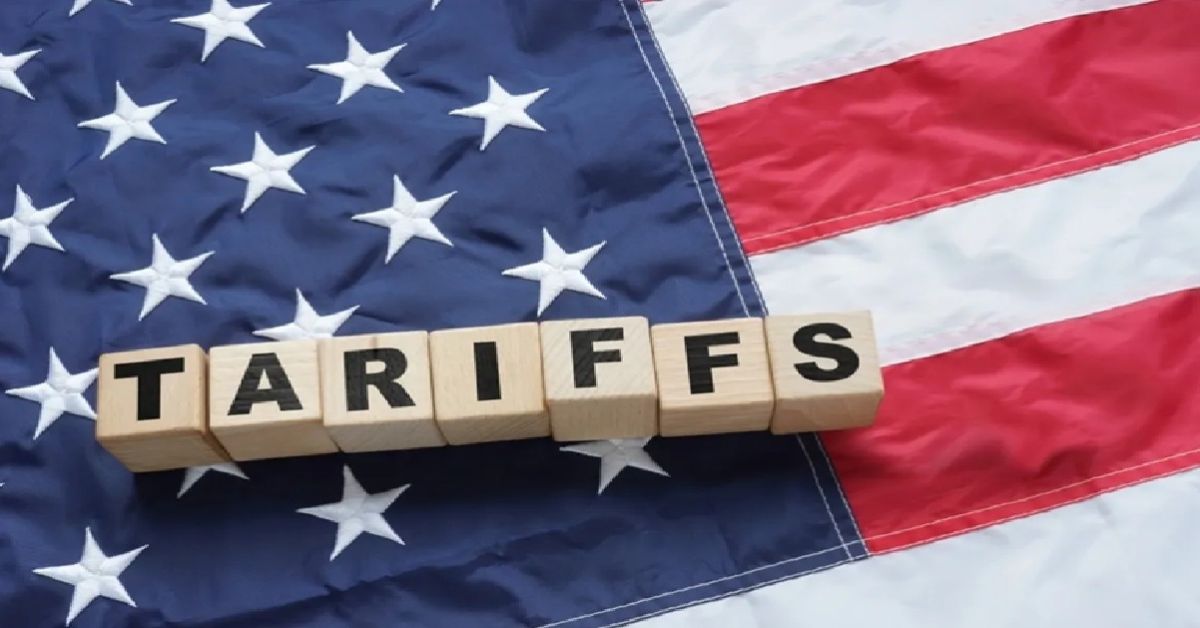
India said it is closely monitoring developments surrounding a proposed US legislation that seeks to impose punitive tariffs of up to 500 per cent on countries purchasing Russian crude oil.
The proposed bill, introduced by US Senator Lindsey Graham, targets nations that continue to buy and resell Russian oil. India and China are among the largest buyers of Russian crude since Western countries-imposed sanctions on Moscow following its invasion of Ukraine in February 2022.
Confirming New Delhi’s position, External Affairs Ministry spokesperson Randhir Jaiswal said at a weekly media briefing that the government is aware of the proposed legislation and is tracking the situation closely.
India has consistently defended its purchase of Russian oil, maintaining that its energy sourcing decisions are guided by market realities and the need to ensure affordable energy supplies for its population of 1.4 billion.
“Our position on energy sourcing is well known,” Jaiswal said, adding that India’s approach is shaped by global market conditions and the imperative of energy security.
“In this endeavour, we are guided by the evolving dynamics of the global market and by the need to secure affordable energy from diverse sources to meet the requirements of our people,” he said.
Earlier this week, Senator Graham said he had a “very productive meeting” with former US President Donald Trump, claiming that Trump had given his approval to move forward with the Russia sanctions bill, which has been under discussion for several months.
Graham said the legislation would empower the US president to impose severe penalties on countries buying discounted Russian oil, arguing that such purchases are helping finance Russia’s war efforts in Ukraine.
“This bill would give President Trump tremendous leverage against countries like China, India and Brazil to incentivise them to stop buying cheap Russian oil,” Graham said in a social media post.
The bill proposes a 500 per cent tariff on secondary purchases and the resale of Russian crude.
Graham also claimed that India’s Ambassador to the US, Vinay Kwatra, had informed him that New Delhi was reducing its purchases of Russian oil and had requested that the US administration consider easing tariffs imposed on India.
The United States has been pressing India to scale back its Russian oil imports, arguing that Moscow is using oil revenues to fund its military campaign in Ukraine.
India began significantly increasing its imports of discounted Russian crude after Western nations imposed sanctions on Moscow. As a result, Russia’s share in India’s total crude oil imports rose sharply from just 1.7 per cent in 2019–20 to 35.1 per cent in 2024–25.