After further appointments, on 15 October 2001 a neurologist diagnosed me with SMA type two. My parents were told I may not live beyond two years old.
The neurologist told my parents he would see us again in the New Year for a check-up. When we returned in early 2002, the neurologist once again saw me giggling and watching the world pass by, and remarked: “He’s a survivor.”
SMA severely impacts the respiratory system, meaning colds and chest infections developed in the winter can potentially be life threatening for babies with it.
My family were signposted to a charity called the Jennifer Trust, now known as Spinal Muscular Atrophy UK, which helped support me. I’ve also befriended others who have SMA, sharing our common experiences and helping each other know we’re not alone.
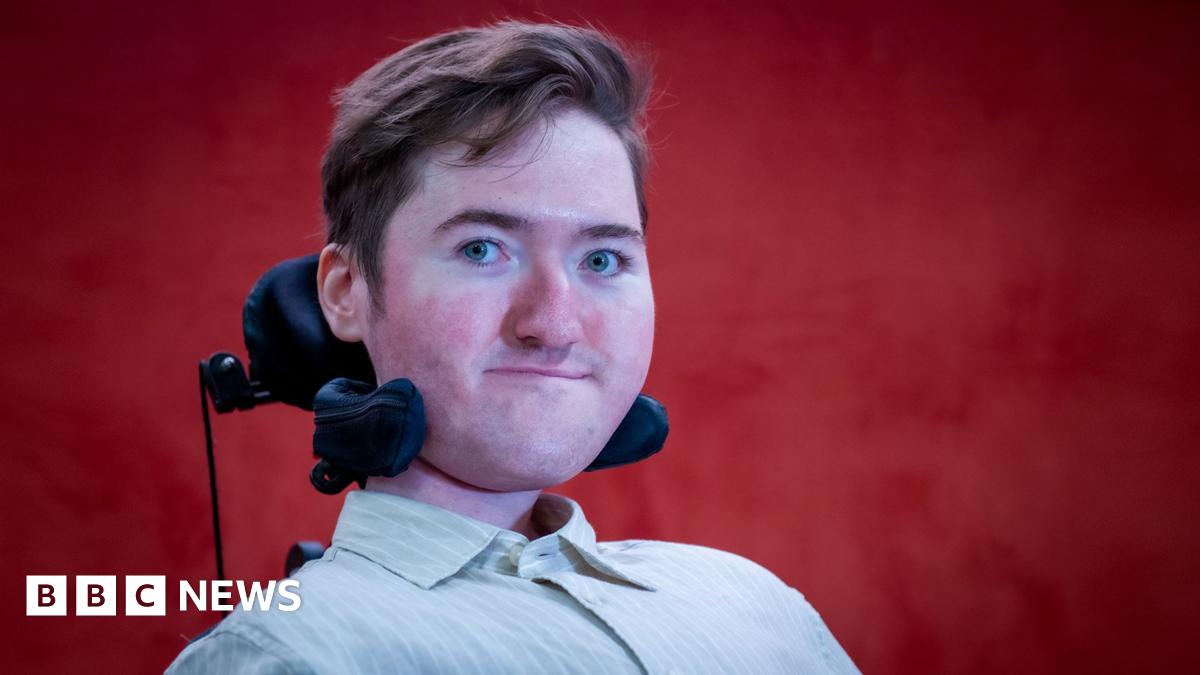
Despite doctors not expecting me to live beyond a toddler, I’m now 25, working as a BBC journalist and living independently with the help of personal care assistants.
I use an electric wheelchair to get around, meaning I never have to stand up on the Tube when commuting which is a win.
I have to use a ventilator overnight, when my breathing is more shallow than during the day. That might sound scary to some people, but for me it’s completely normal.
I take a daily drug called Risdiplam, which keeps my condition stable. It’s different to Zolgensma, the gene therapy drug approved by the NHS in 2021 to treat babies – this can only be taken at an early age because of its impact on the kidneys.