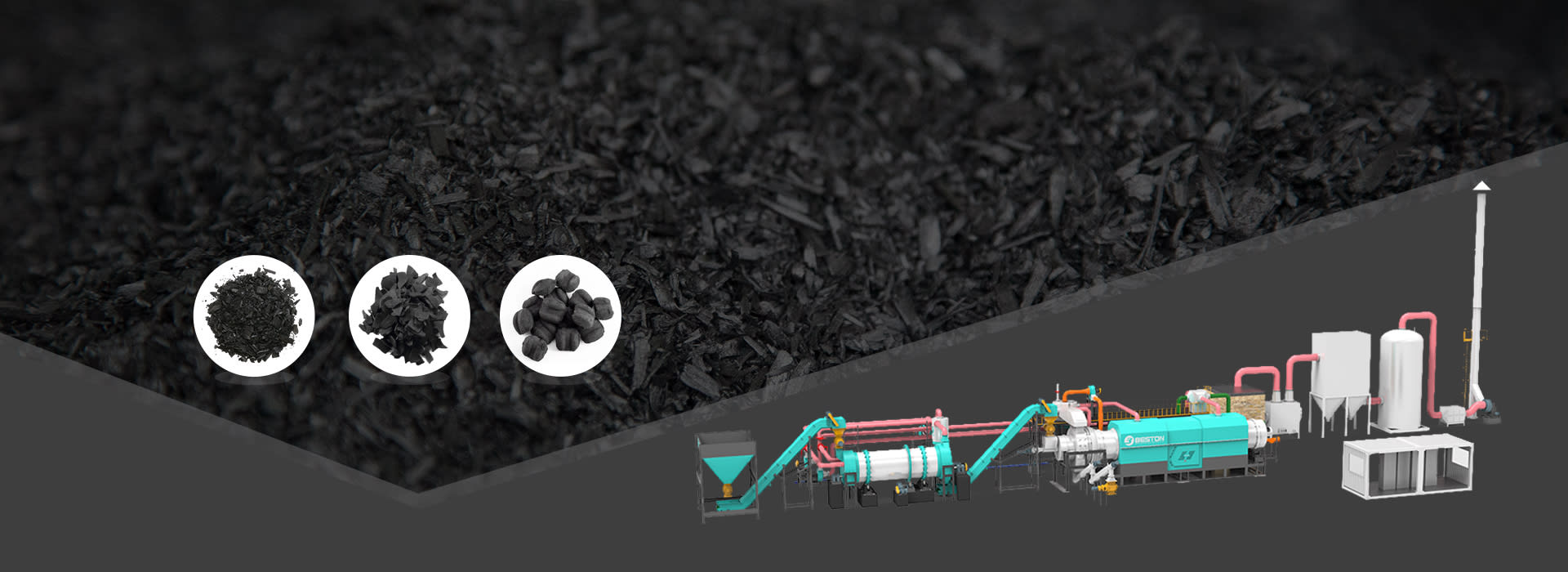
Biochar is created through the process of pyrolysis, where organic materials such as agricultural waste, wood, or even certain types of plastic are heated in the absence of oxygen. This process breaks down the biomass into three main products: gas, liquid (bio-oil), and solid carbon-rich residue—biochar. Unlike organic matter that decomposes naturally, releasing carbon dioxide (CO₂) into the atmosphere, biochar locks carbon in a stable form that can persist in the soil for hundreds or even thousands of years.
This characteristic makes biochar a highly effective tool for carbon sequestration, meaning it can absorb and store carbon that would otherwise contribute to climate change. By incorporating biochar into soils, we not only remove CO₂ from the atmosphere but also enhance soil health, boost fertility, and improve water retention—benefits that extend beyond climate change mitigation.
Biochar and Voluntary Carbon Markets
Voluntary carbon markets have become an essential mechanism for organizations and individuals to offset their carbon emissions. These markets allow entities to purchase carbon credits to compensate for their own emissions, investing in projects that reduce or capture carbon dioxide elsewhere.
Biochar is now playing a significant role in these markets. Because it is an effective method for sequestering carbon, biochar projects can generate carbon credits that companies can buy as part of their efforts to achieve carbon neutrality. For a project to qualify for carbon credits, it must meet strict verification standards, ensuring that the amount of carbon sequestered is measurable, additional, and permanent.
Several carbon offset programs, including the Verified Carbon Standard (VCS) and Gold Standard, have started recognizing biochar as a legitimate carbon offset project. As the demand for carbon credits continues to grow, the role of biochar in these markets is expected to expand, offering a new revenue stream for farmers, landowners, and businesses involved in biochar production.
The Role of Biochar Machines in Scaling Production
While the benefits of biochar are clear, scaling its production to meet the growing demand in carbon markets has been a challenge. Traditional methods of producing biochar are often inefficient, labor-intensive, and not suitable for large-scale operations. However, advances in biochar machine are transforming the landscape.
Modern biochar machines are designed to improve the efficiency and scalability of production. These machines use advanced pyrolysis technology to process large quantities of biomass quickly and with minimal energy consumption. Automated systems ensure that the process is consistent and scalable, allowing for the mass production of biochar while maintaining high-quality standards.
By improving the efficiency of biochar production, these machines help lower the cost of biochar and make it more accessible for use in various industries, including agriculture, construction, and energy. They also play a crucial role in ensuring that biochar can meet the demands of the voluntary carbon market by providing a reliable, large-scale supply.
Biochar’s Environmental and Economic Impact
The environmental benefits of biochar extend far beyond carbon sequestration. When applied to soil, biochar can:
Enhance soil fertility: Biochar improves soil structure, increases nutrient retention, and reduces soil acidity. This leads to healthier plants and higher agricultural yields, making it a valuable tool for farmers.Improve water retention: Biochar has the ability to absorb and retain water, which is particularly beneficial in drought-prone areas, improving crop resilience and reducing water usage.Reduce methane emissions: In some cases, biochar can be used to capture methane emissions from livestock waste, further reducing the environmental impact of farming.
From an economic perspective, biochar also has the potential to create new jobs and business opportunities. By establishing biochar production facilities and expanding the market for biochar-based products, economies can benefit from new industries dedicated to climate change mitigation.
Conclusion
Biochar is much more than just a byproduct of biomass; it is a powerful tool for carbon sequestration and soil enhancement that is becoming increasingly important in voluntary carbon markets. With the development of advanced biochar machines, its production is becoming more efficient and scalable, opening new avenues for businesses and communities to participate in climate change mitigation. As the world continues to focus on reducing emissions and building sustainable systems, biochar stands out as a promising and innovative solution. By unlocking its full potential, we can take a significant step toward a carbon-neutral future.