Your support helps us to tell the story
From reproductive rights to climate change to Big Tech, The Independent is on the ground when the story is developing. Whether it’s investigating the financials of Elon Musk’s pro-Trump PAC or producing our latest documentary, ‘The A Word’, which shines a light on the American women fighting for reproductive rights, we know how important it is to parse out the facts from the messaging.
At such a critical moment in US history, we need reporters on the ground. Your donation allows us to keep sending journalists to speak to both sides of the story.
The Independent is trusted by Americans across the entire political spectrum. And unlike many other quality news outlets, we choose not to lock Americans out of our reporting and analysis with paywalls. We believe quality journalism should be available to everyone, paid for by those who can afford it.
Your support makes all the difference.Read more
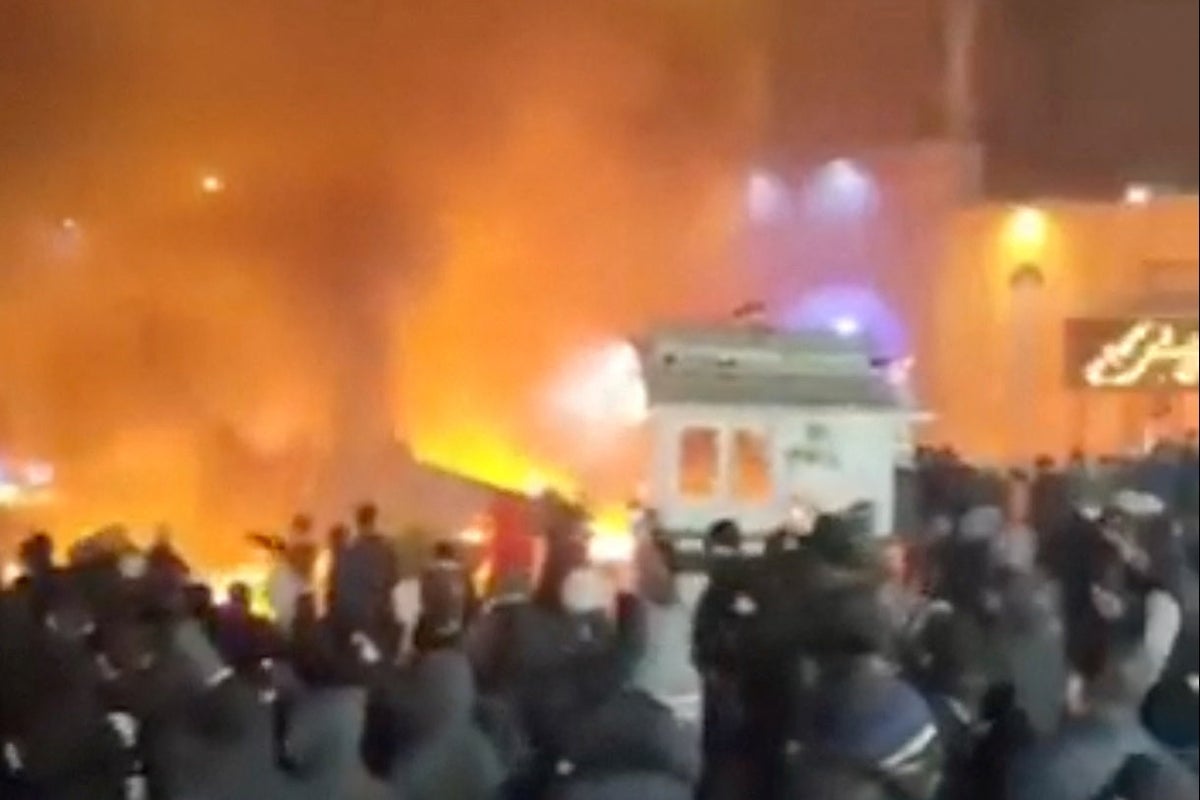
Buildings, buses and shops have been burned to the ground turning Iran’s capital Tehran into a “war zone” as protests break out across the country demanding the fall of the country’s supreme leader ayatollah Ali Khameini.
At least 38 people have been killed in violent clashes with police and 2,200 arrested, according to human rights groups.
This unrest follows a tumultuous period for Tehran, which is still recovering from a 12-day conflict in June, initiated by Israel, that saw US forces bomb Iranian nuclear facilities.
“This looks like a war zone – all the shops have been destroyed,” said an Iranian journalist in front of the fires on Shariati Street in the Caspian Sea port of Rasht.
Here’s what to know about the protests and the challenges facing Iran’s government.
Follow the latest updates here.
How widespread are the Iran protests?
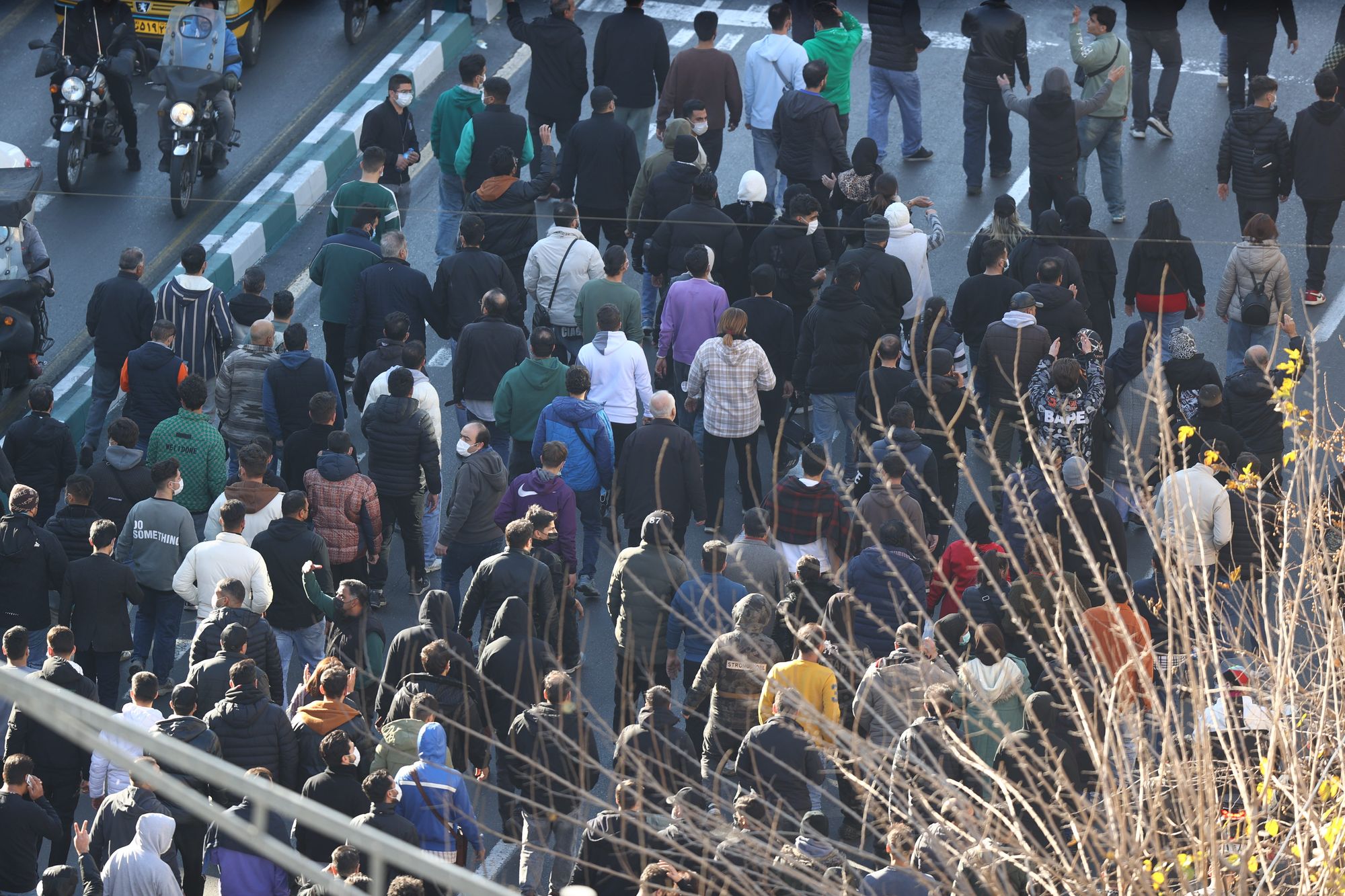
More than 340 protests have taken place across all of Iran’s 31 provinces, the US-based Human Rights Activists News Agency reported Thursday. The death toll had reached at least 41, it added, with more than 2,270 arrests. The group relies on an activist network inside Iran for its reporting and has been accurate in past unrest.
open image in gallery
Protesters marching in downtown Tehran in December (Fars News Agency)
Understanding the scale of the protests has been difficult. Iranian state media has provided little information about the demonstrations. Online videos offer only brief, shaky glimpses of people in the streets or the sound of gunfire. Journalists in general in Iran also face limits on reporting such as requiring permission to travel around the country, as well as the threat of harassment or arrest by authorities.
But the protests do not appear to be stopping, even after supreme leader Ayatollah Ali Khamenei on Saturday said “rioters must be put in their place”.
Why have Iran protests started?
The collapse of the rial has led to a widening economic crisis in Iran. Prices are up on meat, rice and other staples of the Iranian dinner table. The nation has been struggling with an annual inflation rate of some 40 per cent.
In December, Iran introduced a new pricing tier for its nationally subsidised gasoline, raising the price of some of the world’s cheapest gas and further pressuring the population. Tehran may seek steeper price increases in the future, as the government will now review prices every three months. Meanwhile, food prices are expected to spike after Iran’s Central Bank ended a preferential, subsidised dollar-rial exchange rate for all products except medicine and wheat.
open image in gallery
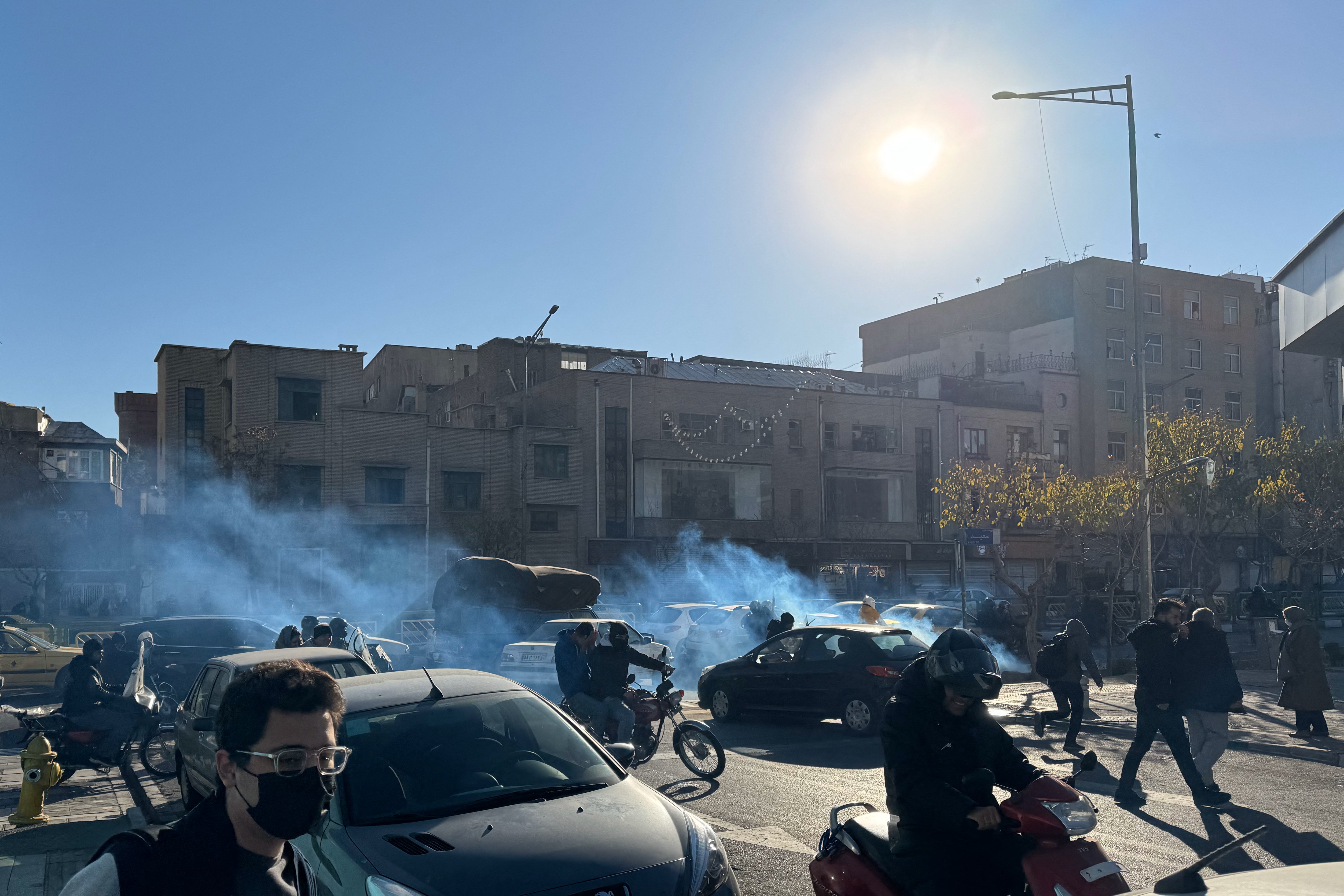
Shopkeepers and traders protest in the street against the economic conditions and Iran’s embattled currency in Tehran. (Fars News Agency)
The protests began in late December with merchants in Tehran before spreading. While initially focused on economic issues, the demonstrations soon saw protesters chanting anti-government statements as well. Anger has been simmering over the years, particularly after the death of 22-year-old Mahsa Amini in police custody.
Nationwide internet blackout: ‘Escalating digital censorship’
A nationwide internet blackout was reported in Iran on Thursday, according to internet monitoring group Netblocks. Iranians abroad have said they have been unable to contact their families due to the restrictions in place.
A statement from the group reads: “Live metrics show Iran is now in the midst of a nationwide internet blackout; the incident follows a series of escalating digital censorship measures targeting protests across the country and hinders the public’s right to communicate at a critical moment.”
An update on Friday read: “Iran has now been offline for 12 hours with national connectivity flatlining at ~1% of ordinary levels, after authorities imposed a nationwide internet blackout in an attempt to suppress sweeping protests while covering up reports of regime brutality.”
Ayatollah Khameini’s response to political unrest
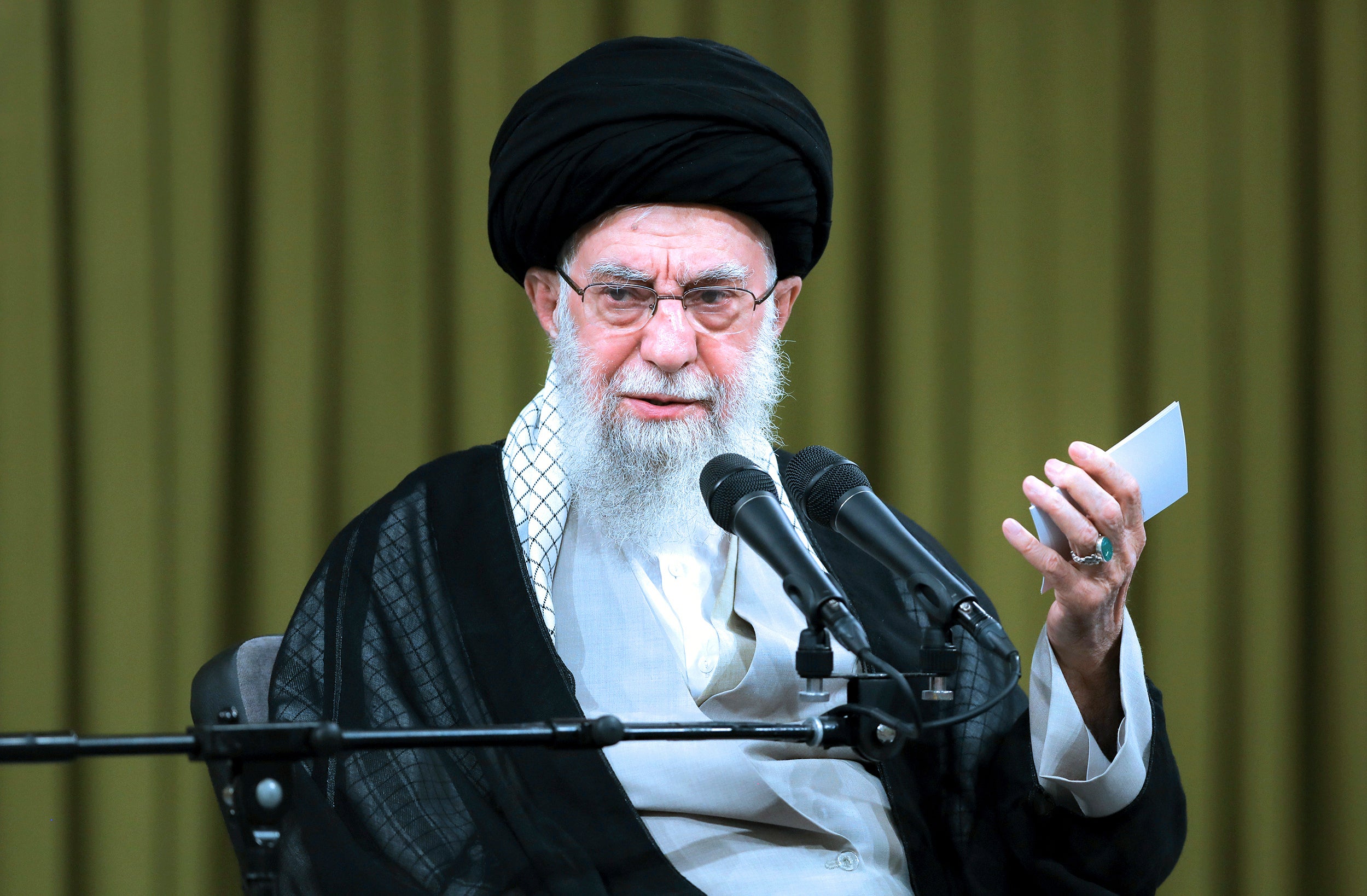
Khameini insisted the Islamic Republic would not “back down” in his first address since the unrest on Friday.
“The Islamic Republic will not tolerate mercenaries working for foreign powers,” he continued. “To President Trump: focus on the problems in your own country.”
He added: “Everyone should know that the Islamic Republic came to power with the blood of hundreds of thousands of honourable people, and it will not back down in the face of saboteurs.”
open image in gallery
Khameini said the Islamic Republic would ‘not back down’ (AP)
What does it mean for Iran’s allies?
Iran’s “Axis of Resistance”, which grew in prominence in the years after the 2003 US-led invasion and subsequent occupation of Iraq, is reeling.
Israel has crushed Hamas in the devastating war in the Gaza Strip. Hezbollah, the Shiite militant group in Lebanon, has seen its top leadership killed by Israel and has been struggling since. A lightning offensive in December 2024 overthrew Iran’s longtime stalwart ally and client in Syria, president Bashar Assad, after years of war there. Yemen’s Iranian-backed Houthi rebels also have been pounded by Israeli and US airstrikes.
China meanwhile has remained a major buyer of Iranian crude oil, but hasn’t provided overt military support. Neither has Russia, which has relied on Iranian drones in its war on Ukraine.
What does it mean for Iran’s nuclear capabilities?
Iran has insisted for decades that its nuclear programme is peaceful. However, its officials have increasingly threatened to pursue a nuclear weapon. Iran had been enriching uranium to near weapons-grade levels prior to the US attack in June, making it the only country in the world without a nuclear weapons programme to do so.
Tehran also increasingly cut back its cooperation with the International Atomic Energy Agency, the UN’s nuclear watchdog, as tensions increased over its nuclear programme in recent years. The IAEA’s director-general has warned Iran could build as many as 10 nuclear bombs, should it decide to weaponise its programme.
open image in gallery
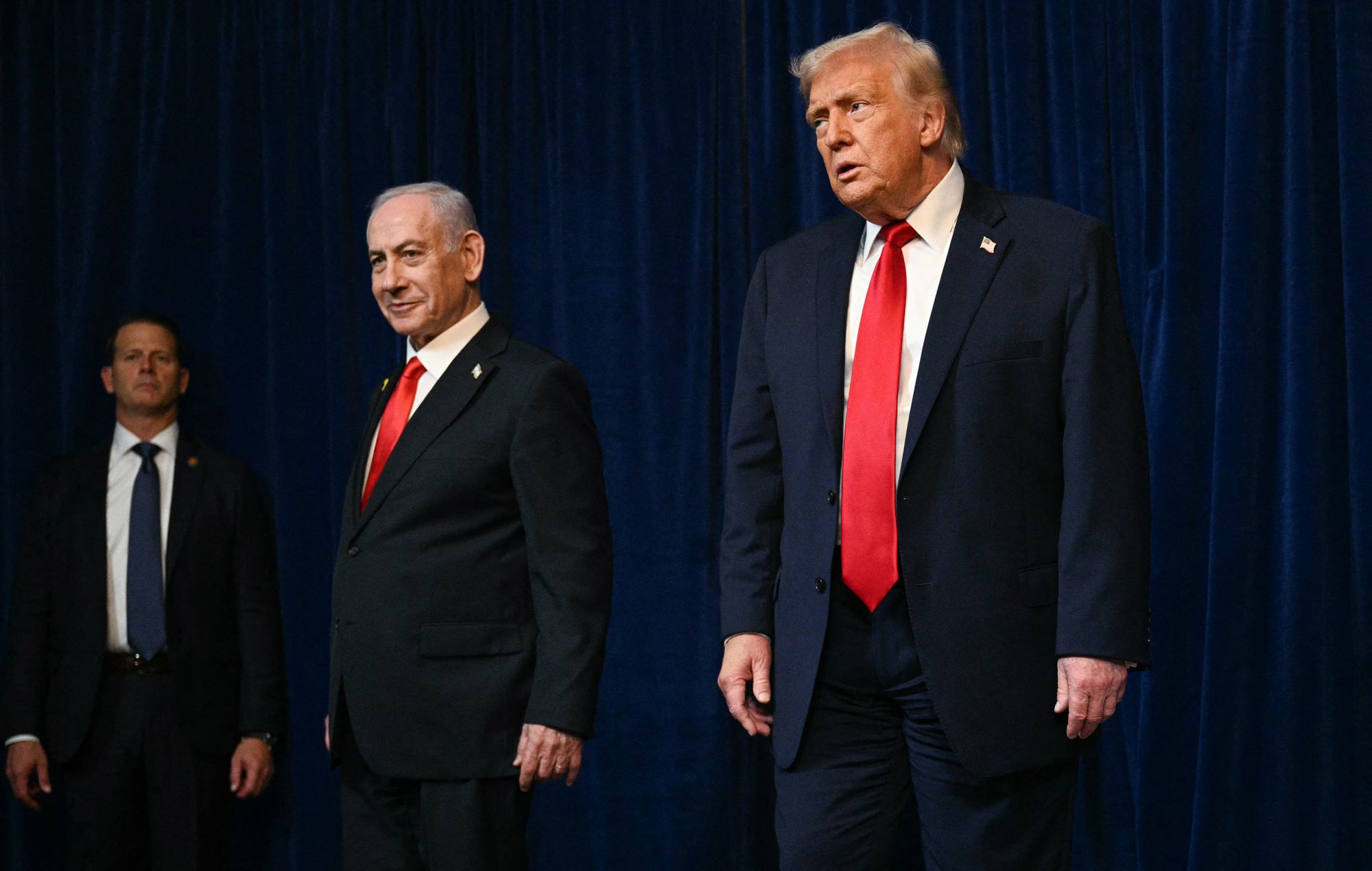
Donald Trump and Israeli prime minister Benjamin Netanyahu (AFP/Getty)
US intelligence agencies have assessed that Iran has yet to begin a weapons programme, but has “undertaken activities that better position it to produce a nuclear device, if it chooses to do so”.
Iran recently said it was no longer enriching uranium at any site in the country, trying to signal to the West that it remains open to potential negotiations over its atomic programme to ease sanctions. But there’s been no significant talks in the months since the June war.
Are Trump, the US and Israel involved?
Iranian authorities have blamed “terrorist agents” from the US and Israel for the unrest. The Ayatollah called protesters “saboteurs” and said they were “ruining their own streets [to] make the president of another country happy”.
US president Donald Trump warned that if Tehran “violently kills peaceful protesters” the US “will come to their rescue,” threats that acquired fresh resonance following the capture of Venezuelan President Nicolas Maduro, a long-standing ally of Tehran, by American troops.
“We’re watching it very closely,” Mr Trump said on Sunday. “If they start killing people like they have in the past, I think they’re going to get hit very hard by the United States.”
The country has been reeling from a 12-day conflict in June, initiated by Israel, which saw US forces bomb Iranian nuclear facilities. A widening economic crisis has seen the population struggling with an annual inflation rate of 40 per cent.
open image in gallery
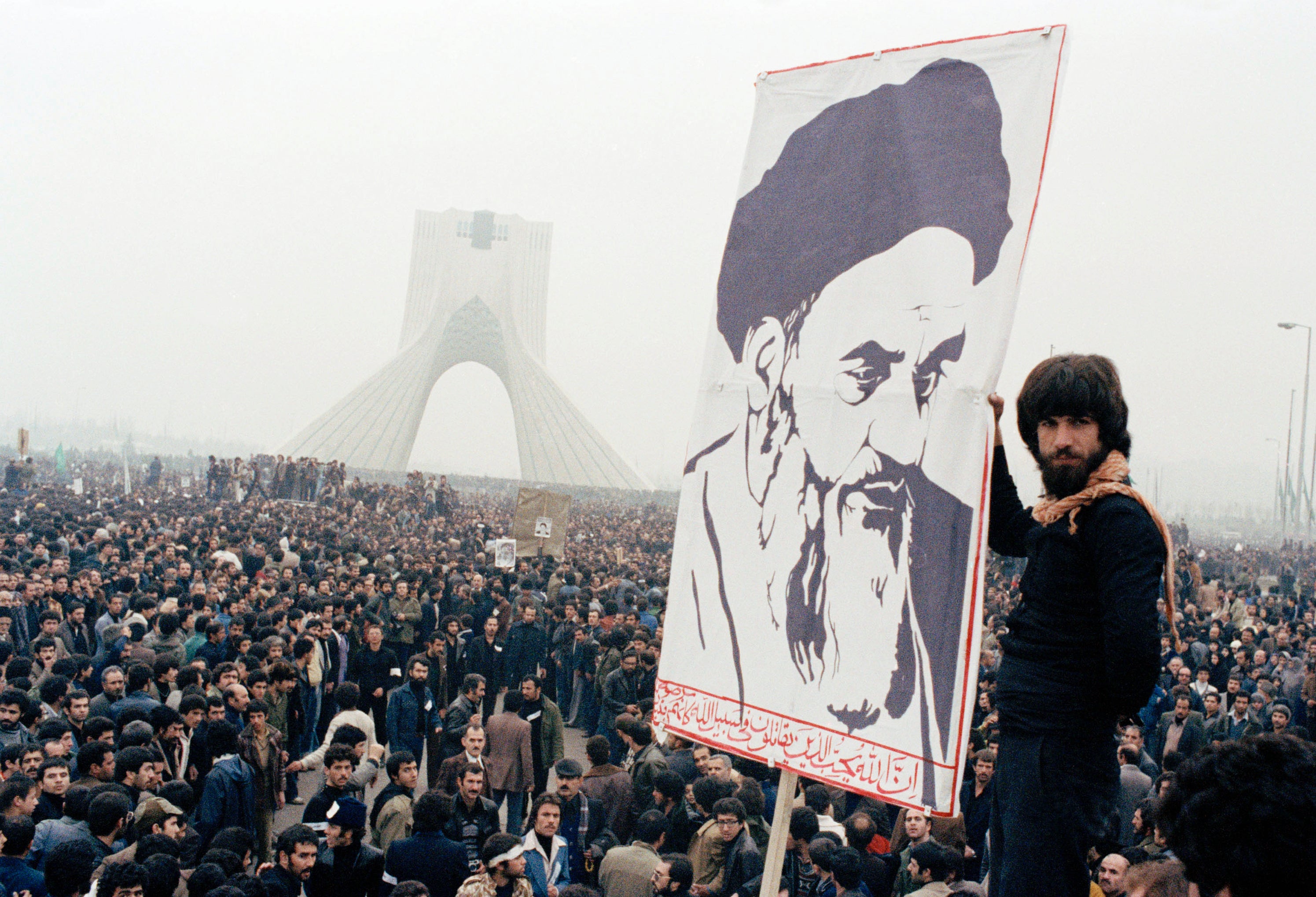
Iranian protesters demonstrate against Shah Mohammad Reza Pahlavi in Tehran, Iran (AP)
Iran decades ago was one of the United States’ top allies in the Middle East under shah Mohammad Reza Pahlavi, who purchased American military weapons and allowed CIA technicians to run secret listening posts monitoring the neighbouring Soviet Union.
The CIA fomented a 1953 coup that cemented the shah’s rule. But in January 1979, the shah fled Iran as mass demonstrations swelled against his rule. Then came the Islamic Revolution led by ayatollah Ruhollah Khomeini, which created Iran’s theocratic government.
Later that year, university students overran the US Embassy in Tehran, seeking the shah’s extradition and sparking the 444-day hostage crisis that saw diplomatic relations between Iran and the US severed.
During the Iran-Iraq war of the 1980s, the US backed Saddam Hussein. During that conflict, the US launched a one-day assault that crippled Iran at sea as part of the so-called “Tanker War”, and later shot down an Iranian commercial airliner that the US military said it mistook for a warplane.
Iran and the US have seesawed between enmity and grudging diplomacy in the years since. Relations peaked with the 2015 nuclear deal, which saw Iran greatly limit its programme in exchange for the lifting of sanctions. But Trump unilaterally withdrew America from the accord in 2018, sparking tensions in the Mideast that intensified after 7 October attack by Hamas.