Published on
January 10, 2026
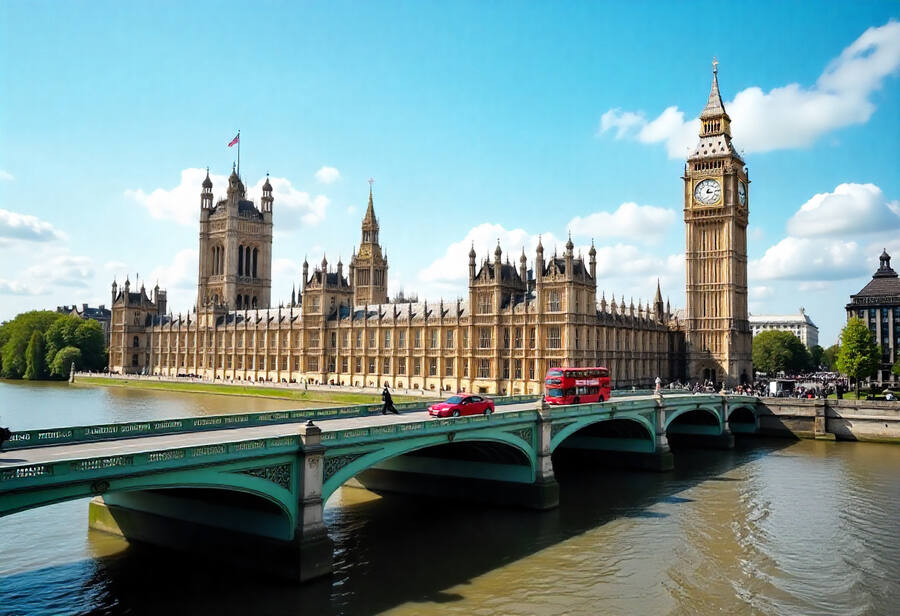
Switzerland joins with Poland, Italy, Hungary, France, Germany, Croatia, and other European nations, will face strict new border control measures as the UK enforces its Electronic Travel Authorisation (ETA) system starting in 2026. Travellers from these countries will be required to pay a £16 fee for their ETA application, and the system introduces severe penalties for overstays. This move is part of the UK’s effort to enhance border security and streamline immigration processes. With mandatory enforcement, travellers must ensure they apply for their ETA in advance or risk being denied boarding, marking a significant shift in travel policies for millions of European citizens who previously enjoyed visa-free access to the UK.
The world of international travel is changing rapidly, with borders becoming more digitized and access increasingly controlled. The UK is at the forefront of this shift with the introduction of its Electronic Travel Authorisation (ETA) system, which is set to impact millions of European travellers. As of 2026, the ETA system will be fully enforced, creating significant travel barriers for citizens of countries across Europe. From Switzerland to Poland, Italy, Hungary, France, Germany, Croatia, and more, travellers will need to adjust to new regulations, strict overstay penalties, and higher fees before entering the UK. These changes represent a major shift in the way the UK handles border security and visa-free access, aligning itself with other major global powers that have already adopted similar digital travel systems.
The Digital Transformation of UK Border Control
The UK’s move toward a fully digital border control system is part of a broader global trend that has seen many countries introduce Electronic Travel Authorisation systems. This includes the United States (with its ESTA system), Canada (with its eTA), and soon, the European Union, which will launch the ETIAS (European Travel Information and Authorisation System) in late 2026. These systems allow countries to screen potential visitors before they board flights, ensuring only eligible individuals reach their borders. The goal is to enhance security, streamline immigration procedures, and increase efficiency by reducing reliance on paper-based visas.
The UK ETA system was launched as a voluntary measure for certain countries in October 2023, initially for Qatari nationals. By February 2024, the system was extended to citizens from the Gulf Cooperation Council (GCC) countries, including UAE, Saudi Arabia, Bahrain, Kuwait, and Oman. By April 2025, the system was expanded to include non-European, visa-exempt countries, and in January 2026, enforcement will become mandatory for travellers from Europe.
Countries Affected by the UK ETA System in Europe
The most significant change will be for citizens of European Union (EU) countries and European Free Trade Association (EFTA) nations who are currently able to travel to the UK visa-free. Starting February 25, 2026, all citizens from EU and EFTA member states will need to apply for an ETA before travelling to the UK. This includes nationals from countries like France, Germany, Italy, Poland, Spain, and Switzerland, among others.
European Microstates such as Monaco, Andorra, San Marino, and Vatican City, will also be affected by the new policy. Despite their small size, these countries have long been part of the visa-exempt list for the UK, but will now need to follow the same procedures as the rest of Europe under the ETA system.
Interestingly, Irish citizens will not be affected by the UK’s ETA requirements due to the Common Travel Area (CTA) agreement between the UK and Ireland, which allows for free movement between the two nations without the need for an ETA or visa.
What is the UK ETA System and How Does It Work?
The UK ETA is an electronic travel authorisation that must be obtained before travelling to the UK. The application process is simple and can be completed online through the GOV.UK website or the official ETA app. It costs £16 per person, and is valid for two years or until the traveller’s passport expires, whichever comes first. The application is processed digitally, typically within minutes or up to three working days if additional review is required. Once approved, the ETA allows for multiple entries into the UK within its validity period.
The introduction of the ETA is a response to the increasing demand for digitalisation at borders, which aims to boost security and efficiency. It allows UK authorities to pre-screen travellers before they board flights, ensuring that they meet all the entry requirements and reducing the need for lengthy checks at airports. In addition, the system checks travellers against international security databases, helping to prevent individuals with adverse information from entering the country.
Key Changes: Stricter Enforcement and Overstay Penalties
The most significant change that will impact travellers from Europe is the mandatory enforcement of the ETA system starting in February 2026. Airlines and other transport carriers will be required to ensure that their passengers from affected countries have valid ETAs before boarding flights to the UK. Passengers who do not have a valid ETA will be denied boarding. This rule will also apply to travellers who fail to obtain their ETA on time, meaning that travellers must ensure they apply at least three days before their travel.
Furthermore, there will be severe penalties for overstays. The UK will impose fines and legal actions on travellers who exceed the duration of their stay without the proper extensions or permissions. These rules are designed to create a stricter enforcement of entry regulations, reducing the risks posed by individuals overstaying their visas or authorisations.
ETA Fees for European Travellers: A Breakdown
As of 2026, all European travellers will need to pay a £16 fee for their ETA application. The fee is non-refundable, and travellers will need to ensure they apply well in advance to avoid complications before travel. Here is a breakdown of the countries affected and the ETA fee they must pay:CountryETA FeeSwitzerland£16Poland£16Italy£16Hungary£16France£16Germany£16Croatia£16Austria£16Belgium£16Denmark£16Sweden£16Spain£16Portugal£16Netherlands£16Czech Republic£16Slovakia£16Greece£16Ireland (Exempt)N/A
How This Will Affect European Travellers
The new regulations may cause inconvenience to European travellers who are accustomed to free access to the UK. Previously, citizens of these countries could travel to the UK without needing to apply for a visa or travel authorisation. However, with the introduction of the ETA system, there is now a mandatory step in the travel process, which adds to the overall travel planning.
Travellers must now plan ahead and ensure that they secure their ETA before booking flights or making travel arrangements. Additionally, the stricter enforcement of overstay rules will likely affect those who have been used to lenient rules around visa overstays.
Why the UK Is Moving Toward Digital Entry Systems
The UK’s decision to adopt a fully digital ETA system is driven by several factors:
Security: The ETA system provides an added layer of security by pre-screening travellers before they reach the UK. It helps ensure that individuals who pose a potential threat are flagged before they arrive at the border.Efficiency: Electronic systems streamline the travel process, enabling faster immigration processing and reducing queues at airports.Revenue: The ETA system is expected to generate substantial revenue for the UK, contributing towards border security and infrastructure improvements. The UK government estimates the system will bring in £269 million annually.Cost-Effectiveness: Digital systems reduce the administrative costs associated with traditional visa applications, helping to keep the UK’s border control system up-to-date with technological advancements.The Future of Digital Travel Authorisation
The launch of the UK’s ETA system signals a significant shift in how international travel will be managed in the coming years. More countries around the world are expected to adopt similar systems, including ETIAS in the EU, which will be rolled out by the end of 2026. As these systems become more integrated globally, it will be increasingly necessary for travellers to obtain digital travel authorisations before embarking on international trips.
The future of travel will be driven by digital systems that not only make the process faster and more secure but also help governments better manage the flow of travellers across their borders.
For European travellers, the ETA represents a new reality in international travel. While the process may seem like an added step, the benefits of faster processing times, improved security, and multiple entries over two years make the system an attractive option. By applying for their ETAs well in advance, travellers from Switzerland, Poland, Italy, France, and other affected countries can ensure a smooth and seamless journey to the UK. As digital travel authorisations become the norm, travellers must adapt and plan accordingly to avoid the complications associated with last-minute applications.
Starting in 2026, Switzerland, along with Poland, Italy, Hungary, France, Germany, Croatia, and other European countries, will be required to pay a £16 fee for the UK’s Electronic Travel Authorisation (ETA). This change, part of the UK’s efforts to tighten border security and streamline immigration, comes with severe penalties for overstays.
The age of spontaneous travel to the UK may be over, but the ETA promises a streamlined, secure, and efficient travel experience for those who plan ahead. The new system not only supports border security but also ushers in a future of global travel that is more interconnected, secure, and efficient than ever before.
