The municipality of Lucas do Rio Verde, located in the Brazilian state of Mato Grosso, recorded 1,588 dengue fever notifications in 2025, with 268 confirmed cases, and 1,769 Chikungunya notifications, with 808 positive cases, according to data from the Epidemiological Surveillance.
Compared to the previous year, there was a significant increase. In 2024, 464 dengue fever notifications were registered, with 303 confirmed cases, and only 11 Chikungunya notifications, with nine positive results.
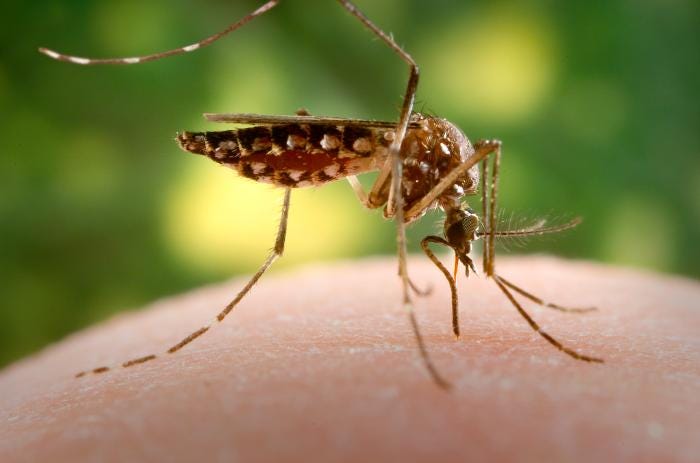
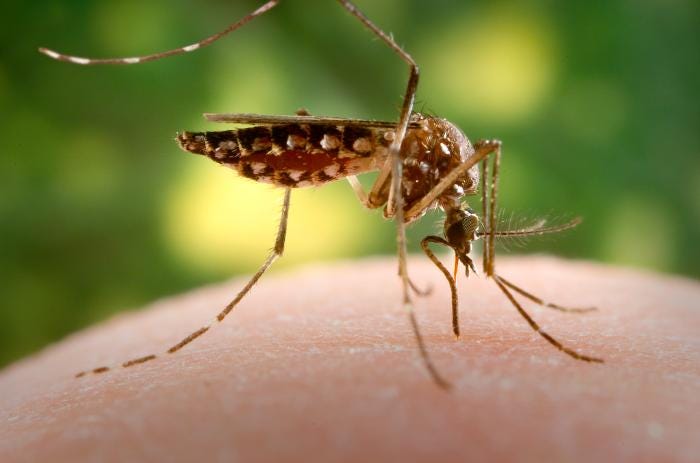
According to the coordinator of Epidemiological Surveillance, Rita Tonhi, most of the breeding sites of the Aedes aegypti mosquito , identified by the Endemic Disease Control Agents (ACEs), are inside residences.
The mosquito that transmits dengue fever, chikungunya, and Zika virus reproduces in stagnant water. Tires, plant pots, discarded packaging in the yard, and gutters are among the main breeding grounds.
“We need the population to become aware and do their part, keeping their yards clean, because the source of the mosquito breeding ground may be inside their own homes,” the coordinator emphasized.
In addition to teams working in the streets, the municipality has invested in technological alternatives and relies on community support to strengthen the fight against the mosquito, especially in relation to closed properties.
The georeferencing system maps the entire area, allowing for more targeted and effective actions, while the use of drones enables access to gated properties and hard-to-reach areas.
According to Rita Tonhi, when the Community Health Agent (ACE) doesn’t find the resident at home, a notice is left for the owner to contact the Health Surveillance department. However, in many cases, even with people in the property, the agent is not answered, which hinders the work of combating the problem.
The public can report potential mosquito breeding sites by calling the Epidemiological Surveillance hotline at (65) 3548-2508, or the Municipal Ombudsman at 0800 646 4004. All reports are investigated and answered.
“We need the residents of Lucas do Rio Verde to open their doors to our disease control agents. It is essential to pay attention to your backyard, because each breeding site eliminated reduces the chances of the disease spreading in the municipality,” concluded the coordinator.
Lucas do Rio Verde, with a population of approximately 84,000, is one of Brazil’s major agricultural cities. It 220 miles north of the state capital, Cuiabá.