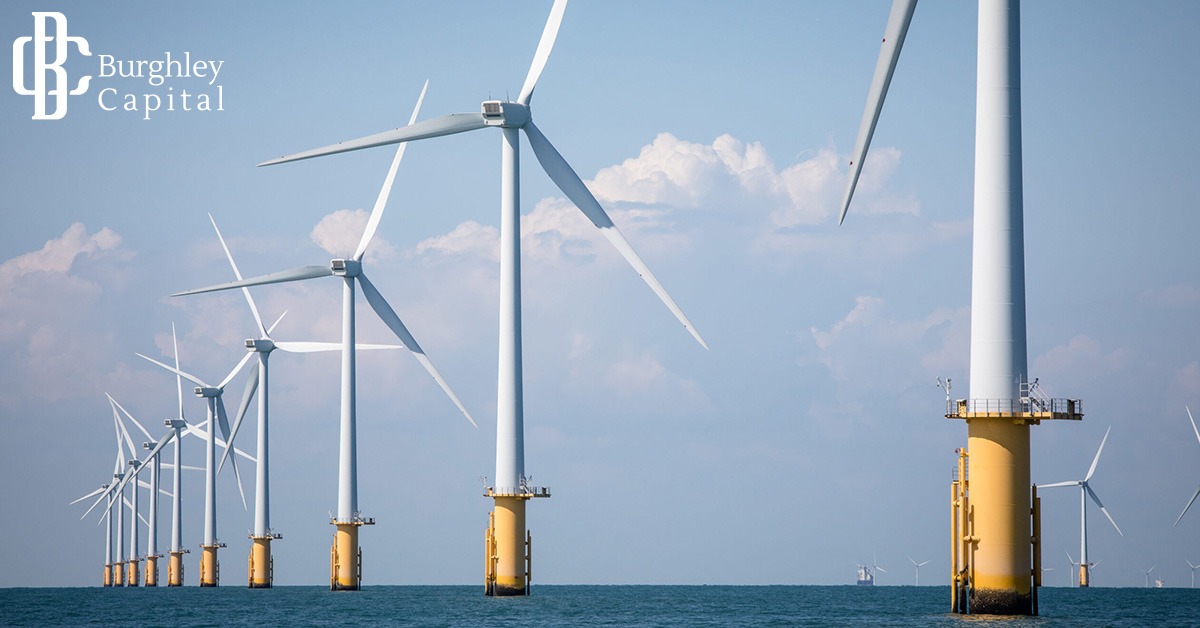
NESO logs a new peak of 23,825MW from Britain’s wind fleet, with wind supplying 47.4% of electricity demand at the height of the evening load. The record underscores grid resilience, offshore wind’s 25-year arc and hydrogen economics.
SINGAPORE, SG / ACCESS Newswire / January 10, 2026 / Burghley Capital tracks National Energy System Operator data showing Britain’s wind fleet reaching a fresh peak this winter: turbines hit 23,825MW in the half-hour ending 5:30pm on 5 December, meeting 47.4% of electricity demand in that interval and powering more than 23 million homes at the crest.
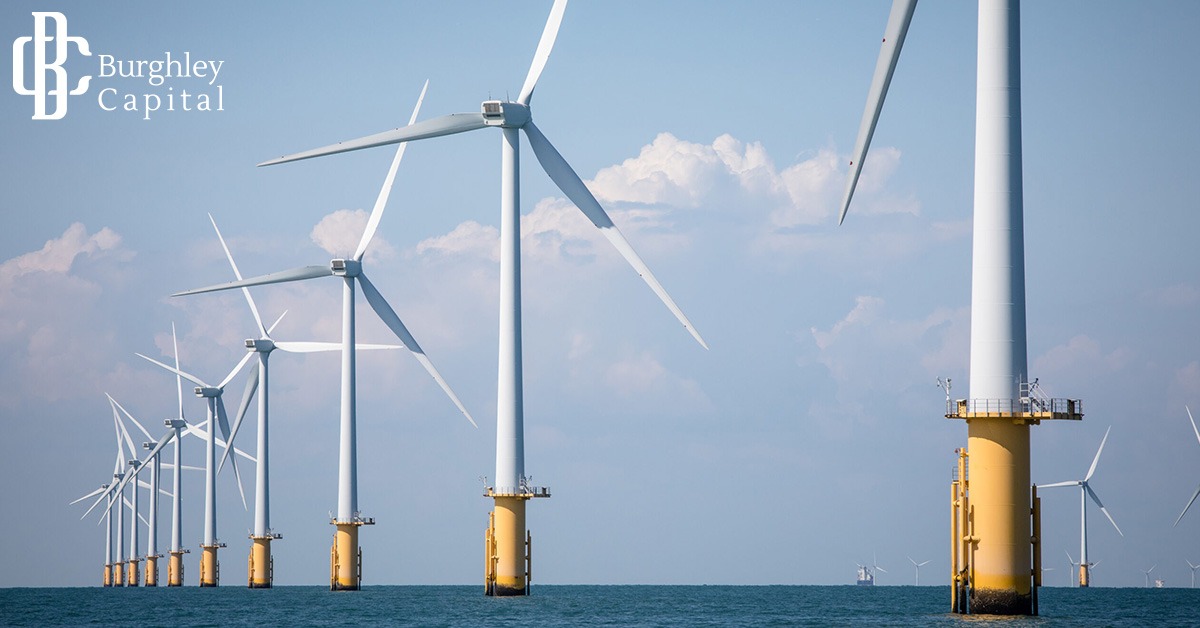
The previous benchmark sits at 22,711MW from 11 November, when wind meets 43.6% of demand in the same half-hour. For James Barker, Director of Private Equity, the consecutive peaks are “the sort of live system evidence that forces policy and markets to confront what the grid can carry now, not what it might carry one day”.
A quarter-century of offshore wind development adds context to the record. The first commercial offshore turbines enter service off Blyth in Northumberland in December 2000, with two 2MW units supplying a 4MW pilot scheme that powers about 3,000 homes, at a point when coal generation capacity stands near 25,000MW and gas capacity near 23,000MW.
Scale now defines the sector. As of this month, 47 offshore wind farms operate across Great Britain, total offshore capacity stands at 16.1GW across 2,878 turbines including 10 floating units, and offshore wind contributes close to 17% of total electricity generation in 2024. Britain hosts five of the world’s largest wind farms; Hornsea 2 in the North Sea covers 462 square kilometres and supplies power for more than 1.4 million homes over a typical year.
The wind record also sits inside a wider reshaping of the power mix. Across 2024, offshore wind provides more than 34% of renewable electricity generation, while low carbon sources generate around 60% of total electricity, up from around 3% in 2000. Across 2024, natural gas provides about 25% of electricity, nuclear about 15%, biomass roughly 6% and hydro about 4%, and solar reaches a seasonal peak output of 14GW in July.
Government strategy seeks to push deployment further. The Labour Government sets out plans to double onshore wind capacity from 15GW to 30GW by 2030 and to quadruple offshore wind from 15GW to 60GW by 2030, alongside a Clean Power 2030 Action Plan that targets 43GW to 50GW of offshore wind, 27GW to 29GW of onshore wind and 45GW to 47GW of solar. National investment expectations across clean energy industries rise to more than $40.5 billion a year by 2035, with sector projections pointing to up to 100,000 offshore wind roles and around 45,000 onshore wind roles by 2030. Wider research expects the clean energy workforce to grow from around 440,000 roles in 2023 to around 860,000 by the end of the decade.