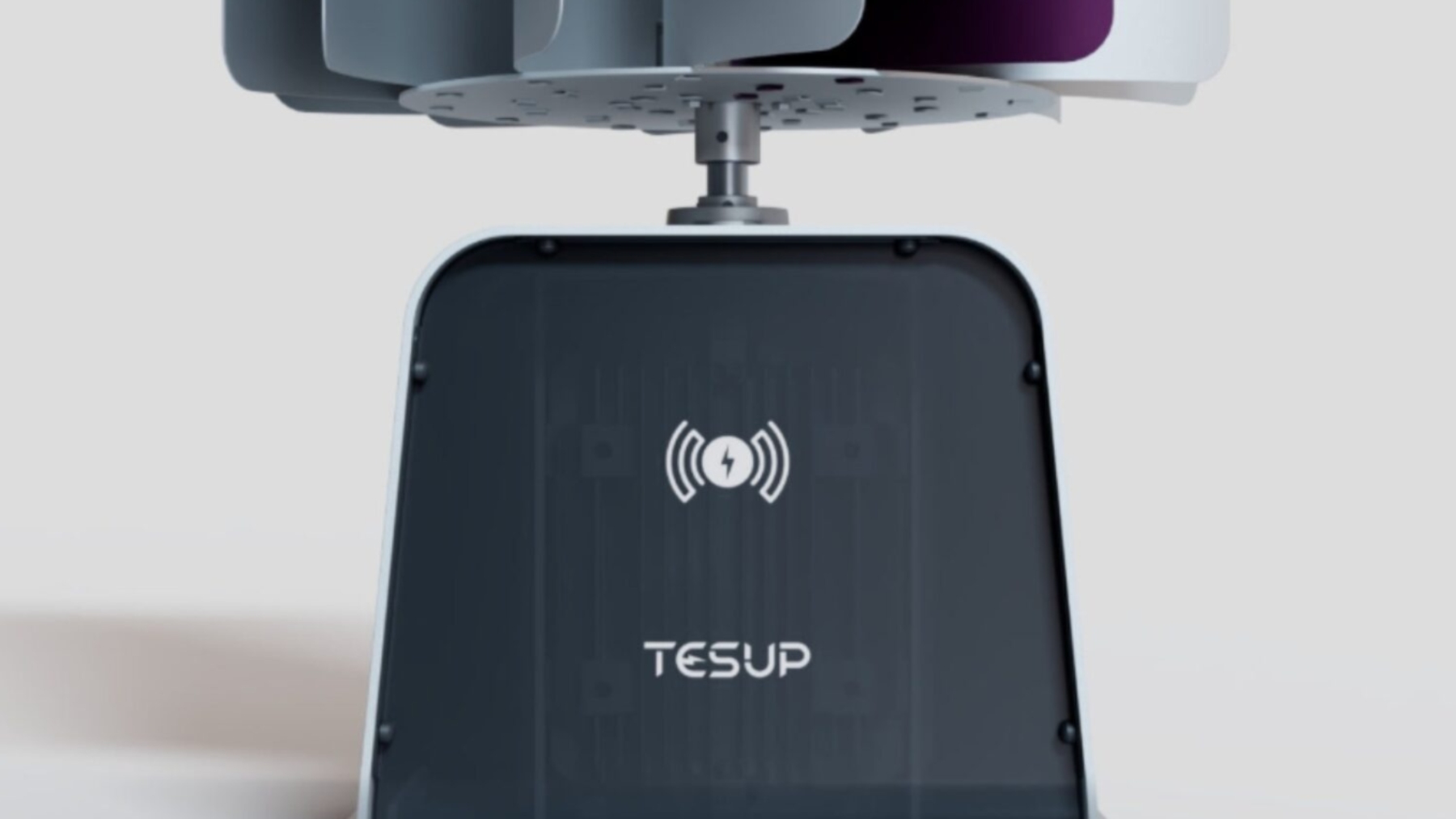
With winter said to reduce solar panels’ efficiency, 10 kW of power even during snowfalls could mean better, cleaner energy generation even during harsher winter conditions. With wind energy continuing to produce electricity in all weather conditions, the TESUP Atlas Vertical Wind Turbine Generator is the right solution that can replace solar panels completely. This 10 kW turbine can ensure that wind power is harnessed throughout the year. Such wind turbines can operate all through the day and night whilst generating power even during winter storms.
Why are wind generators more powerful than solar panels?
Although photovoltaic panels tend to experience reduced output in the winter, since there are shorter daylight hours, winter power generation is ensured with wind turbines. Since wind patterns get stronger when it’s colder, wind turbines can generate more output, even when solar panel energy generation is relatively low.
Vertical-axis wind turbines (VAWTs), specifically the Atlas design, are best for residential environments, ensuring that wind is captured from all directions. Such turbines can generate wind energy even at the lowest wind speeds, producing electricity all throughout winter. Cold air is denser than warm air to improve turbine efficiency by ensuring blades sweep through kinetic energy per rotation. This 10 kW wind turbine generates energy, amounting to 240 kilowatt-hours daily under local wind conditions.
Some beneficial features of the ATLAS 10 kW wind turbine system
When it comes to the TESUP Atlas Vertical Wind Turbine Generator, it reflects advancements in terms of residential wind energy. This vertical axis design can capture energy from all directions, and some benefits of this system include:
Consistent 10 kW power generation to meet the electricity needs of most households.
Construction that is durable enough to withstand harsher winter conditions.
The lower noise aspect of the turbine makes it best suited for residential areas.
Modern versions of the turbine include IoT integration, including smart charge controllers and remote monitoring.
When used during winter, this turbine does not require sunlight at all, making it a solution more efficient than solar panels. Wind generation would, as such, overpower solar panel power generation completely.
A turbine tackling some of the core challenges of winter
Although the colder winter can be challenging because of icy winters, this turbine incorporates weather-resistant material and several other sophisticated design features. With vertical wind turbines, there are no icing problems since the wind force and rotor orientation can ensure that no snow accumulates on the moving parts of the turbine, so that rotational speeds are maintained.
Modern turbines have a hybrid setting that includes battery storage and grid-tie inverters to ensure that excess energy is generated even during colder winters. The move towards the right technology means that winter’s wind can be harnessed and can be a reliable source of power that will ensure that electricity seeps into homes even when the snowfall is at its peak.
In places like the UK, where it is too dark for solar panels, the solution may be very different from vertical wind turbines, and the solution may mean planting energy trees flowering 36 leaves.
Putting wind turbines into the winter solutions mix
As a way to reduce the carbon footprint whilst improving sustainable energy production, this vertical wind turbine can combine wind energy efficiency with other renewable solutions, like solar solutions. A proper wind resource assessment will determine if the residential wind solution can meet energy needs properly.
Being able to generate 10 kW of power during winter is achievable, and it may reduce utility costs considerably while assisting with cleaner energy futures. With the purple solar panel ensuring free energy at home this winter, even with snowfall, we have yet to see what renewable energy solutions can come to the fore, even during the colder winter months.