Published on
January 11, 2026
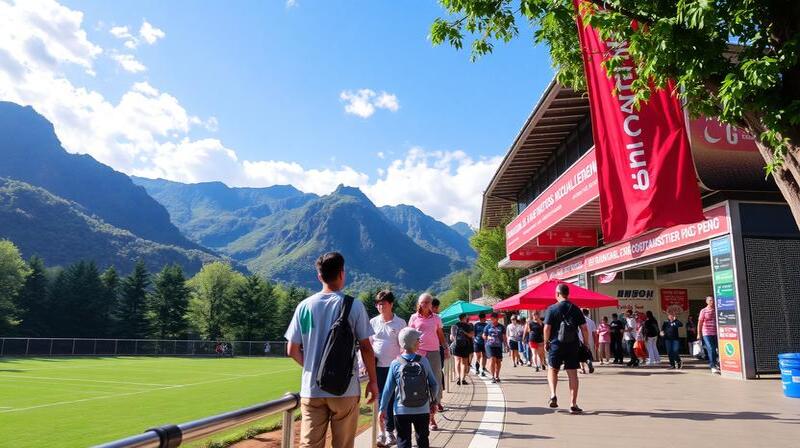
Spain, Belgium, Sweden, Greece, the UK, Germany, and France are powering Europe’s tourism boom because major sports events have become magnets for high-spending travelers, filling hotels, stadiums, and transport networks while extending visitor stays. From international tournaments and league matches to multi-day competitions, these countries benefit from strong event infrastructure, global sporting appeal, and year-round calendars that attract cross-border fans, boost hospitality and dining revenues, and deliver sustained economic gains well beyond the events themselves.
Europe’s event-driven tourism economy recorded strong momentum in 2025, expanding by an estimated 7 percent as live experiences increasingly shaped travel decisions across the continent. At the heart of this growth stood sport, which emerged as the most powerful catalyst for visitor spending, delivering substantial economic benefits to host destinations and surrounding communities.
Across a wide range of European countries, sporting events proved more influential than concerts, festivals, exhibitions, or cultural showcases. Professional leagues, international tournaments, and large-scale competitions consistently attracted high-spending domestic and international travellers, transforming cities into temporary hubs of activity. From hotel occupancy and restaurant revenues to transport usage and retail sales, sport-led travel generated ripple effects that extended well beyond stadium walls.
An in-depth assessment of event-related travel patterns across twelve major European markets, including Spain, Belgium, Sweden, Greece, the United Kingdom, Germany, and France, shows that sports accounted for more than two-fifths of total event-driven tourism expenditure. This share placed sport well ahead of other event categories, confirming its role as the dominant force within Europe’s live-experience travel landscape.
Several countries demonstrated an especially strong dependence on sports tourism. Spain, Belgium, Sweden, and Greece stood out as destinations where sporting calendars play a defining role in annual visitor flows. In these markets, matches and competitions are not just supplementary attractions but central pillars of tourism strategy. In Greece, Ireland, and Sweden, sport was responsible for roughly 57 percent of all tourism spending linked to events, underscoring how deeply embedded athletics and competitive spectacles have become in national travel economies.
While trade fairs, expos, and business events also contributed meaningful gains in visitor expenditure, their impact was often more seasonal or regionally concentrated. Sporting events, by contrast, delivered consistent results throughout the year. High-profile fixtures attracted fans willing to travel across borders, extend their stays, and spend heavily on accommodation, dining, entertainment, and local experiences. This reliability has elevated sport to a strategic priority for destinations seeking stable and scalable tourism growth.
Europe’s largest tourism spenders, notably the United Kingdom, Germany, and France, benefited from mature event ecosystems and internationally recognised sporting brands. Advanced transport networks, large-capacity venues, and strong global visibility allowed these countries to convert sporting events into extended travel experiences rather than short visits. Visitors attending matches or tournaments often combined them with cultural sightseeing, shopping, and regional travel, increasing average trip value and length of stay.
At the same time, some smaller or traditionally less dominant markets recorded the fastest year-on-year growth. Belgium saw spending linked to event tourism rise by around 20 percent, while the United Kingdom and Ireland posted growth of approximately 10 percent. These increases reflect a deliberate shift toward high-impact sporting formats, including international championships and multi-day competitions, designed to attract premium visitors and elevate overall destination value.
Beyond direct economic returns, the expansion of sports-led tourism also supported employment, urban regeneration, and destination branding. Investments in stadiums, public transport, and surrounding infrastructure improved long-term livability for residents while enhancing visitor capacity. Local food producers, hospitality businesses, and service providers benefited from surges in demand tied to event schedules, reinforcing the role of sport as a community-level economic engine.
As Europe looks ahead, the continued integration of sport into tourism planning is expected to play a decisive role in sustaining growth. With travellers increasingly motivated by shared experiences, atmosphere, and live moments, sporting events offer destinations a proven way to stand out in a competitive global market. The performance of 2025 demonstrates that when sport, infrastructure, and destination strategy align, event-driven tourism can deliver lasting value for both visitors and local economies across Europe.
In conclusion, Europe’s tourism surge in 2025 highlights the decisive role of sports events in shaping travel demand and economic performance across the continent. Spain, Belgium, Sweden, Greece, the UK, Germany, and France have shown that well-planned sporting calendars, supported by strong infrastructure and global visibility, can consistently attract high-value visitors and generate widespread benefits for local economies. As destinations continue to invest in major competitions and fan-focused experiences, sports-led tourism is set to remain a powerful driver of growth, resilience, and long-term value for Europe’s event-driven travel sector.
