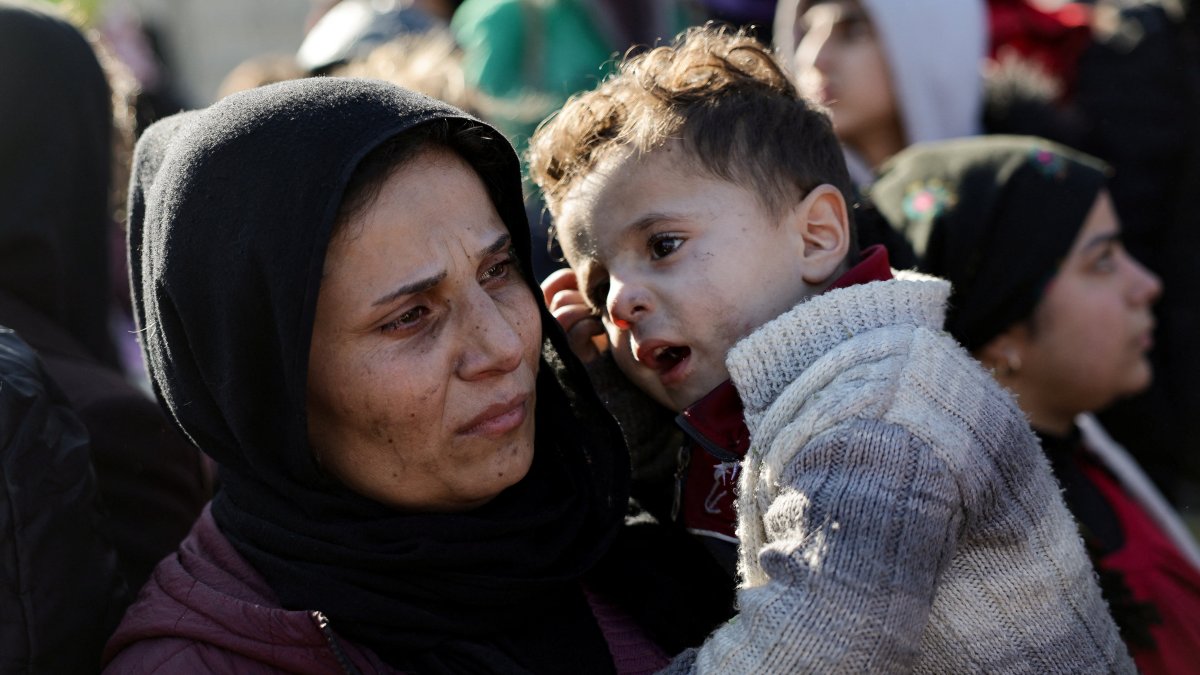
Turkish authorities are working closely with Syria to defuse tensions in Aleppo to prevent further escalation and ensure civilians can leave safely.
According to security sources, the National Intelligence Organization (MIT) has played a central role in efforts to pursue dialogue and de-escalation after tensions rose sharply on Jan. 5, 2026. It sought to facilitate a negotiated outcome and civilian evacuations, but those efforts were blocked by the PKK, they added.
The Syrian government forces, in the meantime, launched a limited operation against PKK/YPG positions in the city’s Sheikh Maksoud and Ashrafieh neighborhoods after nearly 10 months of political negotiations with the group fell through.
Syrian officials said the talks, under a March 10 agreement, had aimed at securing the PKK/YPG’s peaceful withdrawal from Sheikh Maksoud and Ashrafieh.
They said the negotiations were held at multiple levels, but the PKK/YPG used the process to gain time while continuing attacks on Aleppo’s city center, destabilizing the area and threatening civilians.
The U.S.-backed terrorist group then attacked Interior Ministry-controlled checkpoints, prompting the Defense Ministry to plan a limited military operation beginning Jan. 5.
Syrian authorities stressed that civilian protection, including the safety of Kurdish residents, was treated as a priority throughout the planning and execution of the operation.
The initial phase of the operation saw the outer areas of Sheikh Maksoud cleared of YPG elements without major clashes, the sources said.
However, after Ashrafieh was evacuated and Sheikh Maksoud surrounded, orders reportedly came from the PKK leadership in Qandil instructing fighters to remain in place and fight.
The group rejected compromise and escalated violence, using civilians in Kurdish neighborhoods as human shields and firing positions, endangering lives and property.
Even after Syrian forces established control over Sheikh Maksoud, PKK fighters reportedly entrenched themselves in and around a hospital, disregarding the safety of patients and wounded civilians. Syrian officials said the army’s efforts to avoid civilian casualties allowed the group to take shelter there. PKK snipers operating from tunnels in the area killed multiple Syrian security personnel, sources added.
Against this backdrop, MIT’s role was highlighted as focused on conflict prevention and civilian protection. The intelligence service sought to keep communication channels open and prevent further bloodshed through dialogue, but Syrian officials revealed that the PKK actively obstructed attempts to reach a humanitarian arrangement.
The Syrian government has vehemently rejected claims that the clashes amounted to an ethnic conflict or an attack on Kurds, saying Kurds are “an essential and integral part” of Syria. It argued that the fighting was driven by the PKK’s efforts to exploit Syria’s future and resources, not by Arab-Kurdish tensions.
Syrian authorities also said PKK pressure on the SDF was undermining prospects for a broader political settlement in the country.
Turkish security sources, in the meantime, assured that despite the violence, the terror-free Türkiye process, launched under President Recep Tayyip Erdoğan’s leadership, remains on track and will not be derailed by recent events, reaffirming Ankara’s commitment to dialogue, stability and civilian protection in the region.