3 View gallery
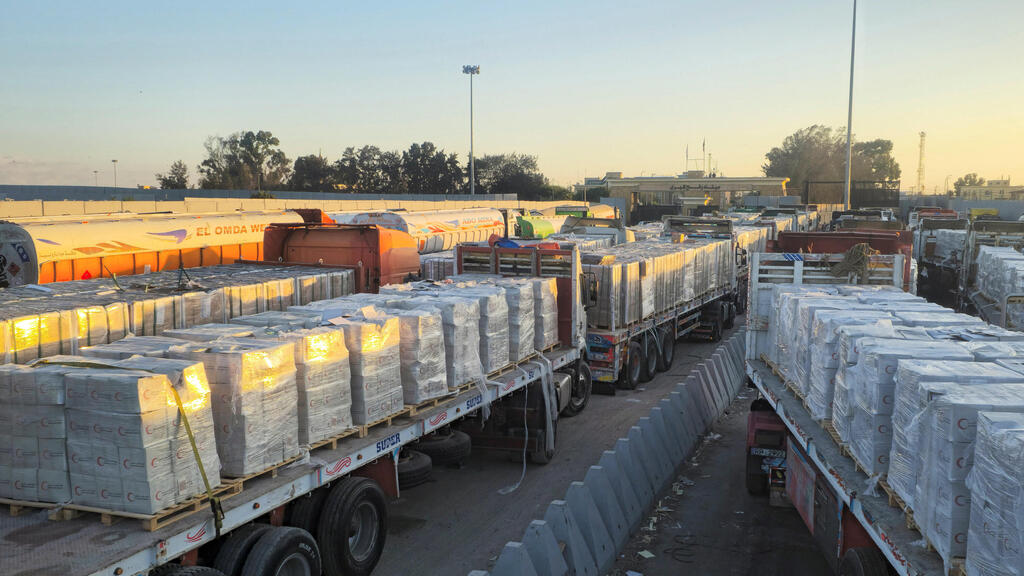
Humanitarian aid on the Egyptian side of the Rafah crossing
(Photo: Reuters/Stringer)
If Gvili’s body is returned soon, Israeli officials say Rafah could reopen smoothly in both directions. If not, Israel may resist opening the crossing, which officials describe as its primary leverage over Hamas. No political directive has yet been issued to the military or civil authorities, though Israel is making logistical preparations. If opened, Rafah would allow people to exit Gaza into Egypt and, for the first time, enter Gaza from Egypt.
A second unresolved issue is Hamas’ disarmament. Israeli officials say no tangible progress has been made, and that mediators Qatar, Egypt and Turkey appear to favor limiting disarmament to heavy weapons and rockets while allowing Hamas to retain small arms. Israel has rejected proposals to store weapons in warehouses, arguing Hamas could easily regain access, and has told Trump the group holds an estimated 70,000 Kalashnikov rifles.
A third uncertainty concerns the proposed International Stabilization Force. Security officials say there has been little progress, with many countries withdrawing offers to send troops or limiting contributions to technical or medical teams due to fears of clashes with Hamas.
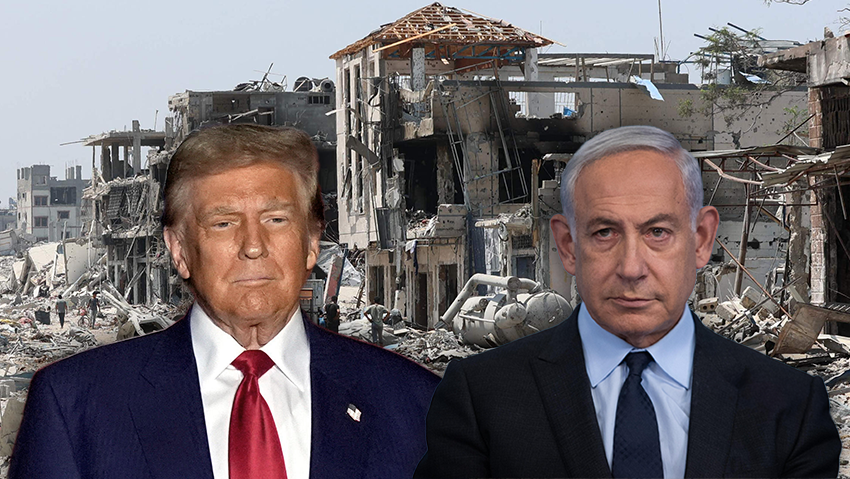
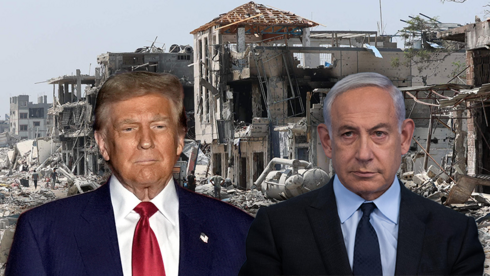
One element expected in Trump’s announcement is the creation of a “Peace Council” and a technocratic committee to administer Gaza. An Israeli official said several countries have withdrawn from stabilization force discussions, including Indonesia and Azerbaijan, and that the technocratic body is expected to report to the Palestinian Authority in Ramallah, though Israel opposes strong institutional ties.
American-Palestinian businessman Bishara Bahbah, who has previously mediated between the White House and Hamas, said the Peace Council is expected to hold its first official meeting during the third week of the month alongside the Davos forum. He said Palestinian factions are expected to meet in Cairo this week, where the names of a 12-member independent technocratic committee to manage Gaza may be announced. Bahbah said humanitarian aid will be distributed by private companies rather than international organizations, following Israeli objections, and that Rafah would reopen immediately after Gvili’s body is returned.
In interviews with regional media, Bahbah said the Peace Council would include the United States, Britain, Germany, Italy, Qatar, the United Arab Emirates and Egypt, with possible participation by the heads of the International Monetary Fund and World Bank. He said representation would be at the level of heads of state or government. He said Hamas confirmed to him there are no current negotiations on disarmament, despite it being a clause in the ceasefire that took effect October 10, and that Trump is expected to announce the council’s members on January 13.
A senior European diplomat said the second phase was intended to include Hamas’ disarmament and the stabilization force but remains poorly defined, noting that the ceasefire is holding only partially and that the European Union has offered police training and Rafah monitoring once the crossing opens. “The biggest question is how Hamas disarmament would actually happen,” the diplomat said. “That remains unclear.”