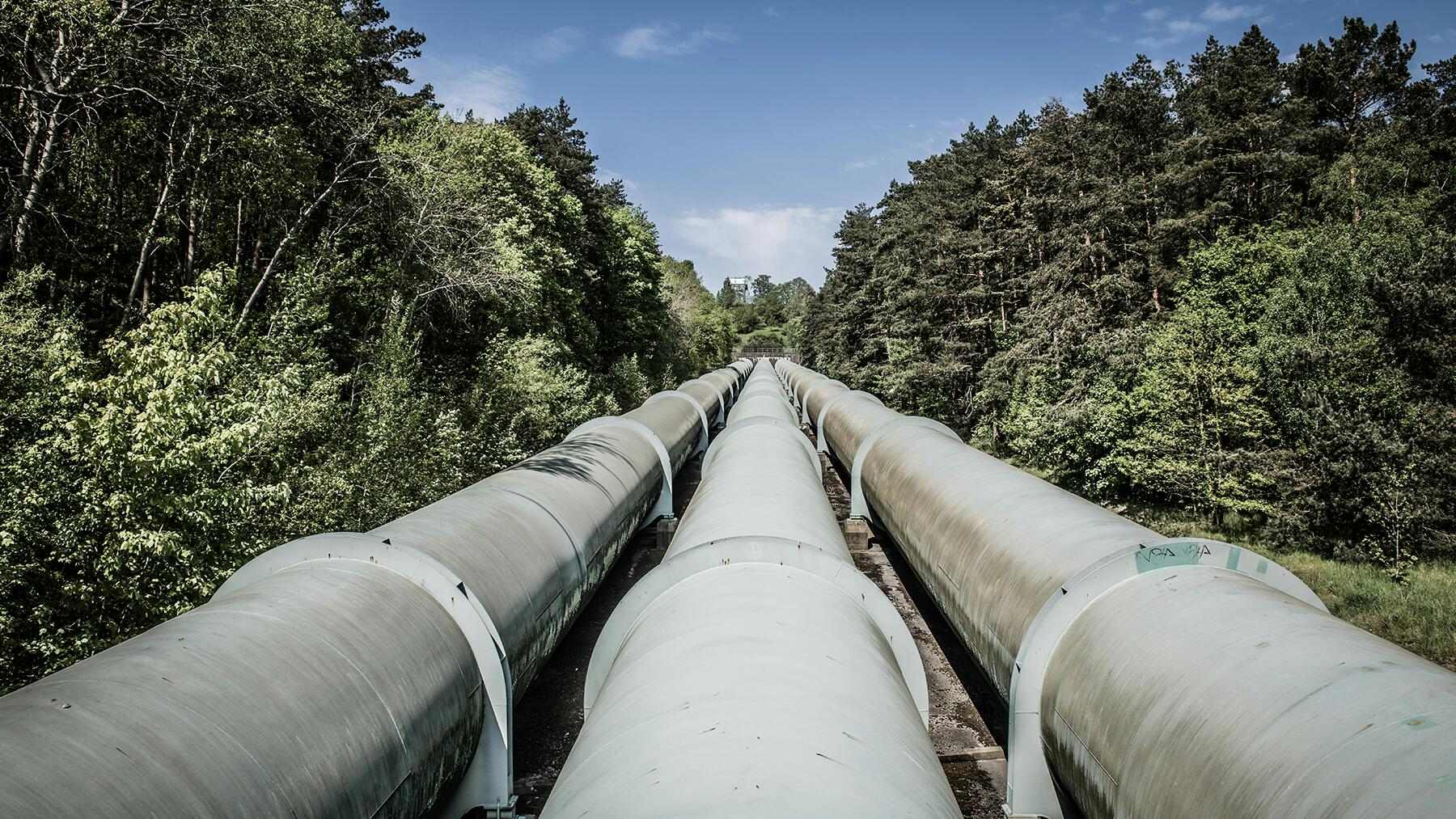
The United States has become the number one producer of natural gas in the world by capacity and now plans to expand its output capacity even further, as several gas storage and pipelines are set to be commissioned this year. This aligns perfectly with the current administration’s push to expand the gas and oil market. The global demand for natural gas is set to surge this year, and the US is aiming to lead the pack in gas production.
The US Gulf Coast is set to experience a record-breaking surge in projects this year
The astonishing growth of the US gas market has been a sight to behold. Since taking office for his second term, Donald Trump has dramatically increased oil and gas production in the US, marking his Presidency as the driver of growth for the US energy industry.
The surge of new gas storage and pipelines in the US Gulf Coast comes as a much-needed relief for the Permian Basin, which is reaching its pipeline capacity in the near future. In order to keep its crown as the world’s top gas producer, the US needed to develop more gas pipeline projects.
Several industry insiders have noted the rapid expansion of the US gas market
Industry experts have noted that the surge in pipelines and gas production is the largest since the shale boom in 2008, potentially boosting the region’s shipping capacity by an astonishing 13%. The surge is being driven by billions of investments in new gas processing terminals in the US and the increased demand for natural gas and LNG.
“This is the most activity I’ve seen in my 20 years in the industry,” – Jack Weixel of East Daley Analytic
The Permian Basin stands as the backbone of the US LNG market
Industry experts have noted that the existing pipelines in the Permian are maxed out, and if the US aims to maintain its status as the world’s top gas producer, more pipelines and associated infrastructure will be needed. With some of the largest energy companies in the world planning several new pipelines this year, the US will most likely hold on to its number one status.
Among the new pipelines being planned are the Rio Bravo pipeline, being developed by Enbridge, a major North American energy company. Another significant project is the 366-mile Blackcomb Pipeline. Both of these new pipelines are expected to be commissioned this year.
The Permian Basin has enabled the US to be crowned the king of LNG production
The Permian basin stands as the backbone of the United States’ gas and oil industry and needs new pipelines to be built in the near future to keep the flow of essential gas and LNG to the international market. Thankfully, the dozen or so new pipeline projects in the US will provide the necessary infrastructure.
Enbridge is aiming to lead the path towards a new era of gas and LNG production in the Permian basin through the new Rio Bravo Pipeline, which the company states will be commissioned this year, if everything goes according to plan, and we suspect it will if the approval by the federal government is anything to go by.
The surge in new pipelines in the Gulf Coast benefits the global LNG market
While the more progressive nations of the world aim to end the coal and oil dominance of the global market, the gas and LNG sector remains untouched by the wave of calls to end the reliance on old-school energy resources. Along with the Rio Bravo pipeline, several others are slated to begin operations sometime this year, such as the Hugh Brinson pipeline being developed by Energy Transfer.