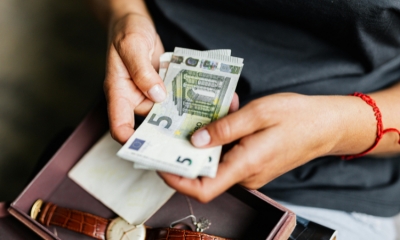
While most of Europe is still backing the euro, Croatia is increasingly saying “this isn’t working for us.” A new Eurobarometer survey shows support for the single currency in Croatia has dropped to just 38 per cent, one of the lowest levels in the eurozone and down six percentage points compared to last year, reports IndexBox
For many Croatians, the euro is now firmly linked to higher prices and a painful cost-of-living squeeze. Nearly six in ten people still convert prices back into kuna in their heads when shopping, a daily reminder that things feel more expensive than they used to. The transition period may be officially over, but for consumers, the sticker shock clearly isn’t.
The sense of emotional distance from the currency is also striking. While a majority of eurozone citizens say the euro makes them feel more European, less than half of Croatians agree. The promise of unity and convenience has been overshadowed by everyday frustrations at supermarket tills, cafés, and petrol stations.
There is, however, a generational divide. Younger Croatians are far more positive, with 76 per cent of those aged 15 to 24 saying the euro is good for the country. Older age groups are far more sceptical, suggesting that nostalgia for the kuna — and sharper sensitivity to rising prices — still runs deep.
Across the wider EU, the euro continues to score points for making travel, business, and price comparisons easier. But those benefits feel distant for many Croatian households trying to stretch their monthly budgets. Even proposed perks like lower banking charges fail to convince a population focused on the here and now.
And when it comes to loose change, Croatians may soon find themselves siding with the rest of Europe. Around six in ten eurozone citizens want to scrap 1- and 2-cent coins, with several countries already rounding prices to the nearest five cents. For Croatia, that might be one small step toward easing irritation — but it won’t fix the deeper feeling that the euro arrived with promises that, so far, haven’t quite paid off.