Published on
January 12, 2026
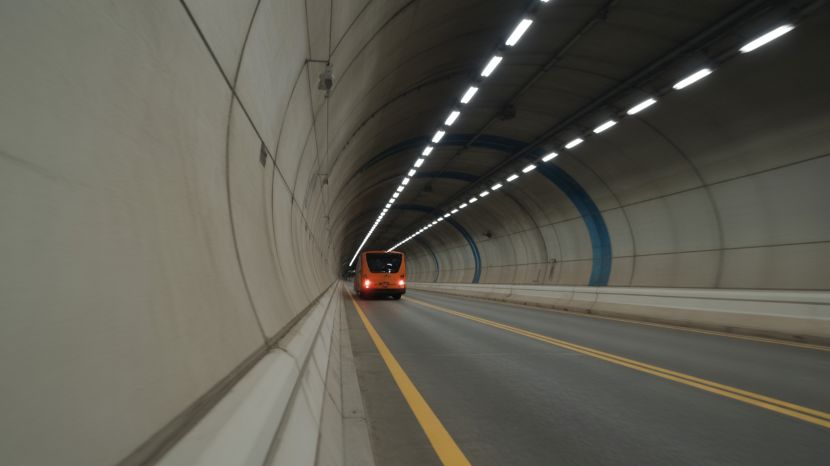
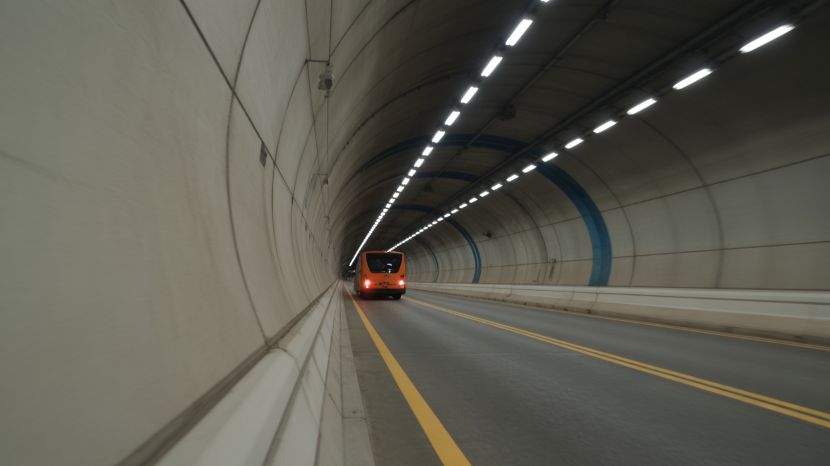
In a groundbreaking move that will reshape the landscape of travel in Norway, the Rogfast tunnel is set to become more than just an engineering marvel—it is poised to become a tourist attraction in its own right. Stretching beneath the Boknafjord and Kvitsøyfjord, the Rogfast tunnel will be the world’s longest and deepest subsea road tunnel, making it a must-visit experience for both engineering enthusiasts and curious travelers.
A Historic Feat of Engineering
When it opens, the Rogfast tunnel will boast an impressive 27 kilometers of submerged roadway, making it the longest subsea tunnel in the world. The tunnel will reach depths of 392 meters below sea level, a record that pushes the limits of civil engineering and adds an extraordinary dimension to Norway’s already stunning infrastructure. The tunnel will form a vital part of the E39 coastal highway, connecting Randaberg and Bokn, and bypassing the need for ferry services between major towns and fjords.
This achievement places Rogfast in the league of other iconic travel infrastructure such as the Channel Tunnel between the UK and France or the Gotthard Base Tunnel in Switzerland, which have become integral parts of their countries’ tourism industries. Just as visitors flock to these global landmarks to witness the feats of human ingenuity, the Rogfast tunnel will surely attract tourists keen to explore one of the most advanced underground structures ever built.
Rogfast as a Tourist Attraction
For those visiting Norway, the Rogfast tunnel will offer an intriguing destination. Travelers will have the opportunity to witness the incredible scale and design of this underwater road system that will not only revolutionize how people travel but also provide a striking example of what is possible when engineering meets nature.
The construction of the tunnel is already a remarkable story—one of complexity and innovation. As part of the broader E39 highway expansion project, Rogfast will eliminate the need for multiple ferry crossings that currently take valuable time away from travelers. Instead of waiting for ferries or dealing with weather delays, tourists will be able to travel seamlessly between Stavanger, Haugesund, and Bergen, making it easier to visit Norway’s most famous fjords and coastal towns.
Beyond its functional purpose, the Rogfast tunnel will offer visitors a chance to explore an entirely new form of travel experience. There will be designated viewing areas and information points within the tunnel that will allow people to marvel at the engineering behind this feat, as well as the beauty of the surrounding natural landscape, visible through strategically placed viewports.
A New Gateway to Norway’s Fjords
The Rogfast tunnel will significantly improve accessibility to Norway’s breathtaking coastal and fjord regions, making it easier to reach some of the country’s most beautiful and remote destinations. Norway’s fjords—Geirangerfjord, Lysefjord, and Hardangerfjord—are already popular with tourists, and the tunnel will serve as a key connector for those wishing to explore these stunning landscapes. It’s also expected to make multi‑destination road trips easier and more appealing for international tourists. They will no longer need to navigate ferry schedules to make their way along the E39 coastal route, which stretches from Kristiansand in the south to Bergen in the west.
In addition, the tunnel will make it easier for visitors to access rural areas that are often overlooked by tourists. Small towns and villages along the route, like Kvitsøy and Bokn, will become more accessible, allowing tourists to enjoy Norway’s lesser-known gems. These locations are often steeped in rich history and offer an opportunity to experience local life in a way that major cities like Oslo or Bergen cannot provide.
Sustainability and Impact on Local Tourism
One of the most important aspects of the Rogfast tunnel is its ability to boost tourism while reducing environmental impact. By eliminating the need for ferry travel, which relies on traditional fossil fuel consumption, the tunnel will significantly reduce carbon emissions associated with transport. This shift to more sustainable travel methods will resonate with eco-conscious travelers who are increasingly seeking ways to reduce their environmental footprint. The tunnel will serve as a beacon of how infrastructure projects can be integrated with sustainability goals, promoting eco-tourism while improving travel efficiency.
The Future of Road Travel in Norway
The completion of the Rogfast tunnel is just one part of Norway’s broader initiative to create a ferry-free E39 coastal highway. The entire E39 project is expected to reduce travel time between Stavanger and Bergen by as much as 50%, providing a more efficient and cost-effective way to travel along Norway’s rugged coastline. As more visitors explore Norway’s landscapes, the enhanced infrastructure will also open up the country’s vast, untouched wilderness to new markets of travelers who may have previously been deterred by the inconvenience of ferry travel.
As this project unfolds, it’s clear that Rogfast will not just be a vital infrastructure link but a transformative experience for tourists wishing to explore one of the most stunning countries on Earth. Whether visitors are traveling for nature, adventure, or cultural exploration, the tunnel will offer them a smoother, more direct path to reach their destinations, opening up new travel possibilities.
Looking Forward to the Tunnel’s Impact
When completed, the Rogfast tunnel will stand as a monument to human ingenuity and an essential piece of Norway’s future. Beyond its engineering accomplishments, it will be remembered as a transformative force in tourism, enhancing the travel experience for both locals and international visitors. For travelers interested in exploring Norway’s fjords, coastal towns, and dramatic landscapes, Rogfast will be more than just a passage — it will be a destination in its own right.
