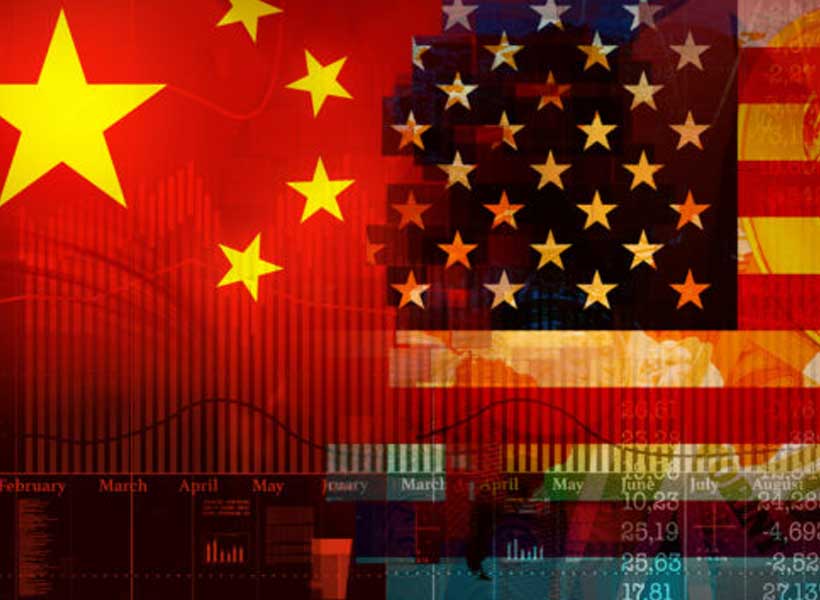
U.S. President Donald Trump has reignited a full-blown trade war with China in 2025, imposing sweeping tariffs on Chinese imports to reduce the U.S. trade deficit, revive domestic manufacturing, and pressure Beijing over the fentanyl crisis. China has responded with its own retaliatory measures, targeting U.S. goods, technology, and companies.
Why It Matters:
The renewed tariff confrontation between the world’s two largest economies threatens global supply chains, commodity markets, and investment flows while also testing fragile trade truces and diplomatic ties.
Key Events (Reverse Chronological Order):
Nov 5: China suspends some retaliatory tariffs but keeps 10% duties in place. U.S. soybean imports still face a 13% tariff.
Oct 30: Trump and Xi strike a new trade truce in South Korea — Beijing vows fentanyl crackdowns and rare earth export relief in exchange for reduced tariffs.
Oct 25–26: U.S.-China trade framework agreed in Malaysia.
Oct 10: Trump unveils 100% tariffs on Chinese imports, adds sweeping export controls on key software.
Oct 9: China widens rare earth export restrictions, tightening global mineral supply.
Sept 19: Trump and Xi hold phone call, agree to meet on trade, TikTok, and Ukraine issues.
Aug 10: Trump demands China quadruple U.S. soybean purchases as truce nears expiry.
June 9–12: London talks yield framework deal; some Chinese rare earth producers regain export licenses.
May 10–12: First Geneva trade talks bring temporary truce; tariffs cut to 30% (U.S.) and 10% (China).
April 2: Trump launches sweeping “Liberation Day” tariffs — 10% baseline, 34% on China.
March 3: U.S. doubles fentanyl-related tariffs; China retaliates with agriculture and tech curbs.
Feb 1: Trump slap 10% tariffs on Chinese goods and 25% on Mexico and Canada.
United States: Seeks to pressure Beijing over fentanyl exports and revive local manufacturing.
China: Aims to maintain export stability and counter Washington’s tech restrictions.
Global Markets: Businesses face price volatility, disrupted trade routes, and regulatory uncertainty.
What’s Next:
Despite intermittent truces, 2025 has seen persistent tariff escalations. Analysts warn of ongoing volatility as both powers weaponize trade policy ahead of 2026 with the risk of a prolonged standoff shaping global economic dynamics.
With information from Reuters.