
Turkey’s cruise sector posts a strong comeback in 2025, with national passenger numbers climbing above 2 million for the first time since 2013, and Kuşadası is confirmed as the country’s busiest cruise port.
Throughout the year, 1,375 cruise ships call at Turkish ports, a 15.1% increase from 2024, while cruise passenger traffic rises 13.2% to 2,138,136 travellers.
Momentum accelerates at year-end, with December 2025 setting a seasonal record. A total of 28 cruise ships visit Turkish ports during the month, bringing 40,773 passengers and marking a 16.3% year-on-year increase, the highest December passenger figure ever recorded.
Kuşadası leads a nationwide cruise revival
Kuşadası’s position at the top of Turkey’s cruise map reflects both its strategic location on the Aegean and the growing appetite for culturally rich Mediterranean itineraries. In 2025, the port welcomes 617 cruise ship calls, comfortably ahead of Istanbul’s 265 and Bodrum’s 116. Passenger numbers mirror this ranking, with Kuşadası hosting 995,843 cruise travellers over the year, followed by Istanbul ports with 625,517 and Bodrum with 138,166.
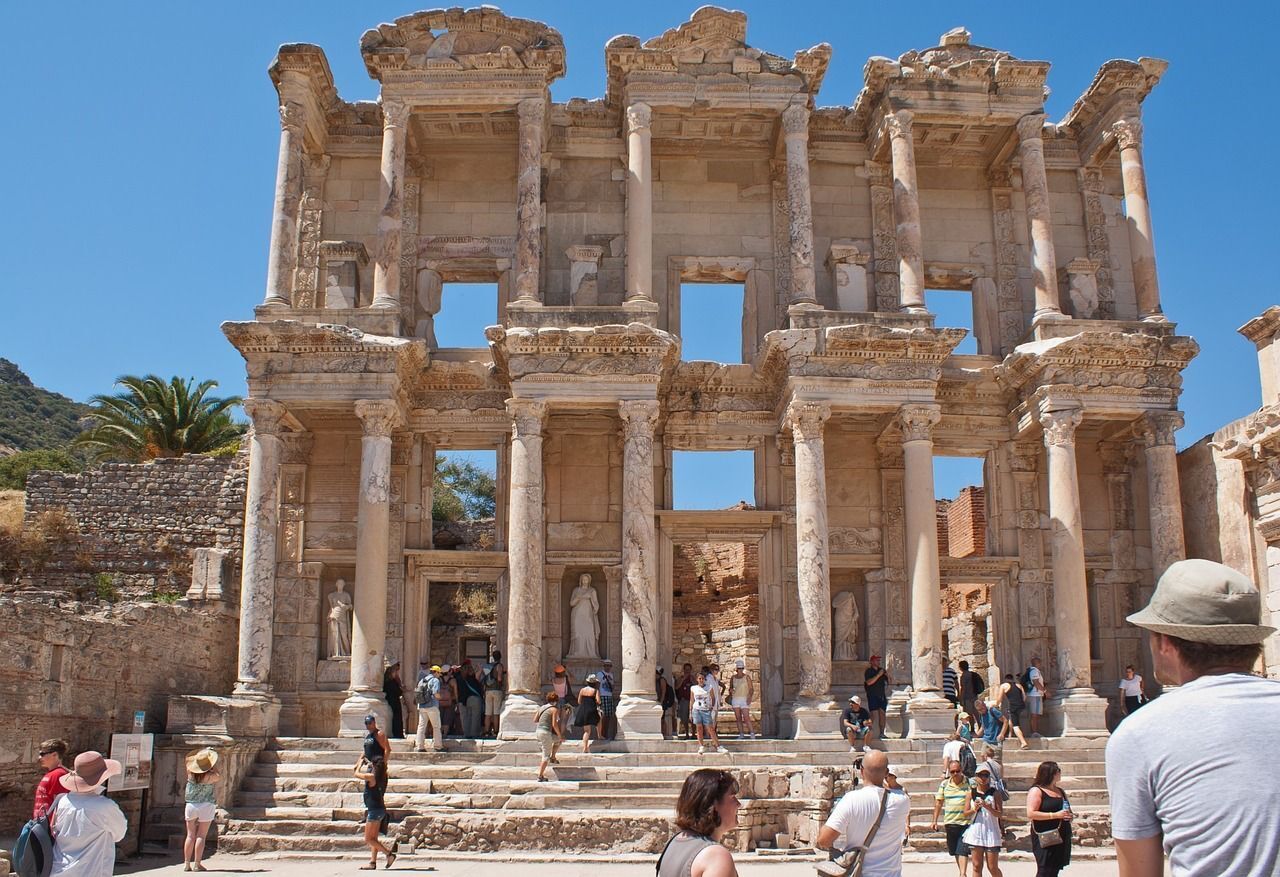
For travellers, the numbers translate into livelier terminals, more frequent sailings and wider itinerary choices. Kuşadası acts as the main maritime gateway to the ancient city of Ephesus, one of the eastern Mediterranean’s best-preserved archaeological sites. Cruise visitors typically step straight from the ship into guided tours of marble avenues, Roman theatres, and hillside homes once occupied by the elite of the classical world, before returning to coastal cafés and bustling bazaars near the harbour.
The rebound also reshapes winter cruising patterns. December figures show Istanbul ports receiving 9 cruise ships and 17,739 passengers, Izmir Alsancak welcoming 6 ships with 11,309 passengers, and Kuşadası receiving 6 ships carrying 5,612 passengers. Another 7 ships deliver 6,113 travellers to smaller Turkish ports, signalling a broader distribution of cruise activity beyond the traditional summer season.
This extended season benefits local economies that rely heavily on visitor spending. Shore excursions, transport services, restaurants and handicraft markets see steadier demand throughout the year rather than a short peak window. For international cruise lines, the data supports expanding shoulder-season itineraries that avoid peak Mediterranean crowds while maintaining favourable weather and smooth port operations.
Why cruise travellers are rediscovering Turkey
Several forces underpin Turkey’s renewed cruise appeal. Competitive port fees, modernised terminals and improved logistics make turnaround times faster and passenger flows smoother. Cruise operators increasingly package Turkey as part of multi-country routes that connect Greece, Italy and the eastern Mediterranean, giving passengers diverse cultures within a single voyage.
From a traveller’s perspective, value remains a major draw. Dining, guided tours and transport often cost less than in western Mediterranean destinations, while the experience remains rich in history and scenery. Istanbul alone offers a layered mix of Ottoman palaces, Byzantine churches, contemporary galleries and lively neighbourhood food markets, making it an ideal embarkation or overnight stop for cruise guests wanting deeper exploration.
Izmir’s Alsancak port continues to grow as a convenient access point to the ancient city of Pergamon and the wine routes of the Aegean hinterland. Bodrum, although handling fewer ships than Kuşadası and Istanbul, retains strong appeal to boutique and luxury cruise lines due to its marina culture, beaches, and nearby archaeological sites.
 A passenger ferry docks at Alsancak Port in Izmir, with the city’s waterfront skyline and a cruise ship visible in the background. Photo Credit: Marius Karp / Shutterstock.com
The record December performance suggests confidence among cruise planners in winter operations. Calmer crowds, cooler temperatures and competitive pricing increasingly attract travellers who prefer slower, more immersive port visits. For photographers, walkers, and history enthusiasts, winter light and quieter streets often enhance the experience in heritage cities such as Istanbul, Selçuk, and Bodrum.
Looking ahead, sustained growth above the 2 million passenger mark strengthens Turkey’s position within the Mediterranean cruise market. Industry planners are expected to prioritise capacity planning, port infrastructure upgrades and destination management to balance visitor growth with heritage protection and community wellbeing.
For travellers considering a Mediterranean cruise in 2026 and beyond, the message is clear: Turkey is no longer simply a stopover but a central highlight of many itineraries. Whether stepping into the ruins of Ephesus from Kuşadası, cruising into the skyline of Istanbul at dawn, or strolling Bodrum’s marina at sunset, passengers are rediscovering the country’s blend of affordability, history and coastal beauty — now backed by record-breaking demand.
Top Photo Credit: saiko3p / Shutterstock.com