Published on
January 13, 2026
By: Paramita Sarkar
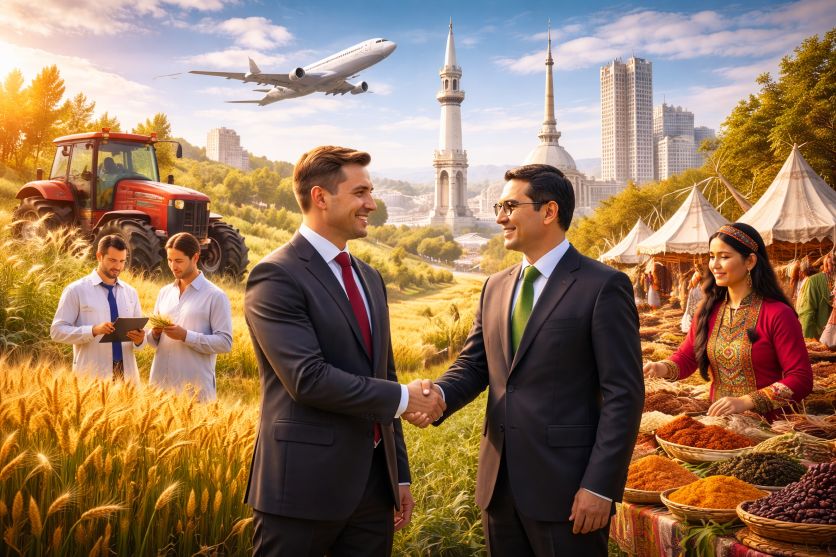
On January 8, 2026, Belarus and Turkmenistan signed a formal agreement to enhance their bilateral relationship, particularly in the agriculture and tourism sectors. The announcement follows high-level diplomatic meetings in Ashgabat between Belarusian officials and Turkmen cabinet ministers, marking a new phase of cooperation between the two countries. This renewed partnership is set to boost trade, cultural exchange, and connectivity, with a key focus on restoring direct flights between Minsk and Ashgabat, and fostering collaboration in agriculture and tourism.
The agreements represent a strategic move for both nations, with Belarus playing a significant role in supporting Turkmenistan’s agricultural innovation and tourism development. The partnership aims to increase tourism between the two countries, foster economic development, and further strengthen the historical ties that exist between Belarus and Turkmenistan.
The What: Key Agreements and Strategic Developments
The primary outcomes of the January 8 meetings include agreements to revitalize the agricultural sector and develop new tourism opportunities between the two countries. Two significant areas of focus emerged from the discussions: agriculture and tourism.
Agriculture: A major development discussed was Belarus’ role in advancing Turkmenistan’s agricultural sector through knowledge exchange. This involves the transfer of agricultural technologies, especially in areas such as machinery, veterinary medicine, and seed production. Belarus, a leader in agricultural machinery, will continue to supply Turkmenistan with high-quality tractors and harvesters. Additionally, both countries have agreed to expand scientific cooperation between their respective research institutions, focusing on improving livestock farming, seed production, and disease control.Tourism: The discussions also centered on increasing tourism between the two countries, with particular emphasis on the resumption of direct flights between Minsk and Ashgabat. This move is expected to enhance travel between Belarus and Turkmenistan, benefiting both nations by making tourism more accessible. In addition to the flight resumption, both countries agreed to collaborate on cultural exchange initiatives, such as joint art exhibitions and reciprocal “Days of Culture” to introduce each nation’s heritage to the other.The Where: Direct Flights and Visa Facilitation
A critical component of the tourism collaboration between Belarus and Turkmenistan is the resumption of direct flights between Minsk (MSQ) and Ashgabat (ASB). The daily direct flights had been suspended for some time, and the restoration of this service is viewed as a significant step in strengthening tourism ties.
Currently, there are no direct flights between the two capitals, with most travelers opting for indirect routes through Dubai or other connecting hubs. The governments of both countries confirmed that they are prioritizing the reestablishment of this route in 2026 to facilitate the growing tourism demand.
Additionally, as part of the broader tourism development strategy, visa facilitation has been discussed to support easier travel between the two countries. While specific visa-waiver programs have not yet been established, there are ongoing discussions to streamline the visa process, potentially allowing easier access for tourists and business travelers alike. This will likely involve the use of e-visa systems for citizens of both countries, making the process more convenient.
The How: Economic Context and Financial Outlook
The backdrop to this new partnership is a positive economic outlook for Turkmenistan, with the European Bank for Reconstruction and Development (EBRD) forecasting a 6.3% GDP growth in 2026. This growth is expected to be driven largely by investments in agriculture and food processing, two sectors that will benefit greatly from Belarusian expertise and technology.
In addition to the economic factors, the resumption of flights and the increased focus on tourism and agriculture are expected to lead to higher volumes of travel and trade between Belarus and Turkmenistan. The direct flight connection will open up more opportunities for tourism, especially as both nations explore cultural exchange programs, potentially drawing in visitors from neighboring regions and further enhancing bilateral ties.
The Why: Strengthening Bilateral Relations and Promoting Shared Interests
The importance of strengthening ties between Belarus and Turkmenistan lies not just in the economic benefits, but in fostering deeper cultural and political relationships. Both countries share a common interest in developing their agricultural sectors, with Belarus bringing expertise and technology, while Turkmenistan provides a valuable market for these products. Similarly, the tourism sector has a high potential for growth, especially as the new flight routes and cultural initiatives come into play.
By enhancing cooperation in these areas, both Belarus and Turkmenistan are aligning their efforts with broader regional and international goals, such as sustainable development, trade diversification, and cultural diplomacy. The collaboration also serves to reinforce their mutual commitment to improving people-to-people ties, which will further strengthen their diplomatic relationship.
The When: Timeline for Implementation and Future Steps
The timing of these agreements couldn’t be more strategic, with both countries eager to capitalize on the growth opportunities presented by their renewed partnership. The most immediate development will be the resumption of direct flights between Minsk and Ashgabat, with negotiations already underway to make this a reality by mid-2026. Additionally, both nations are actively working on the implementation of various agricultural and tourism projects that are part of the broader strategy.
As 2026 progresses, both Belarus and Turkmenistan are expected to continue expanding their cooperation in key areas, with the potential for more joint ventures and initiatives that further benefit their economies. Furthermore, both countries are likely to finalize the visa facilitation agreements, simplifying travel between the two countries and boosting tourism in the long term.
The What Else: The Broader Impact
In addition to the economic and tourism benefits, this renewed partnership could serve as a model for other countries in Central Asia and Eastern Europe looking to strengthen their bilateral ties through targeted collaboration in sectors like agriculture, technology, and tourism. As Turkmenistan’s economy grows and diversifies, the country will need additional expertise, especially in sectors like agriculture and food processing, areas where Belarus has demonstrated strong capabilities.
Similarly, the tourism industry, which has long been an important contributor to both economies, will benefit from the development of new routes, improved connectivity, and increased cultural exchange.
Conclusion: A Bright Future for Belarus and Turkmenistan
The formalization of the Belarus-Turkmenistan partnership, which includes significant developments in agriculture, tourism, and cultural exchange, signals a new era of cooperation between the two nations. With the resumption of direct flights, improved visa facilitation, and increased investments in the agricultural sector, both countries are well-positioned to maximize the opportunities presented by their collaboration.
This new phase in their bilateral relations highlights the importance of strategic partnerships in promoting economic development, cultural exchange, and sustainable growth. With continued efforts in the tourism and agricultural sectors, Belarus and Turkmenistan are setting a strong foundation for future success and long-term cooperation.
