Published on
January 13, 2026
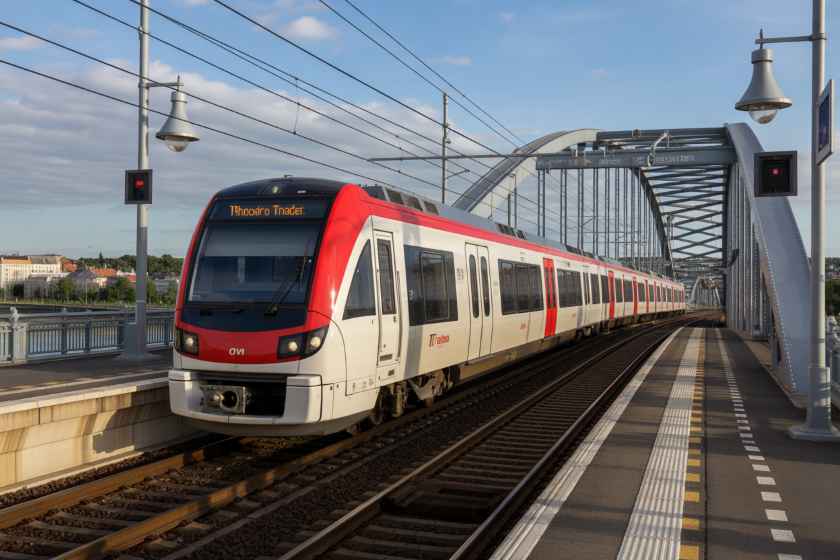
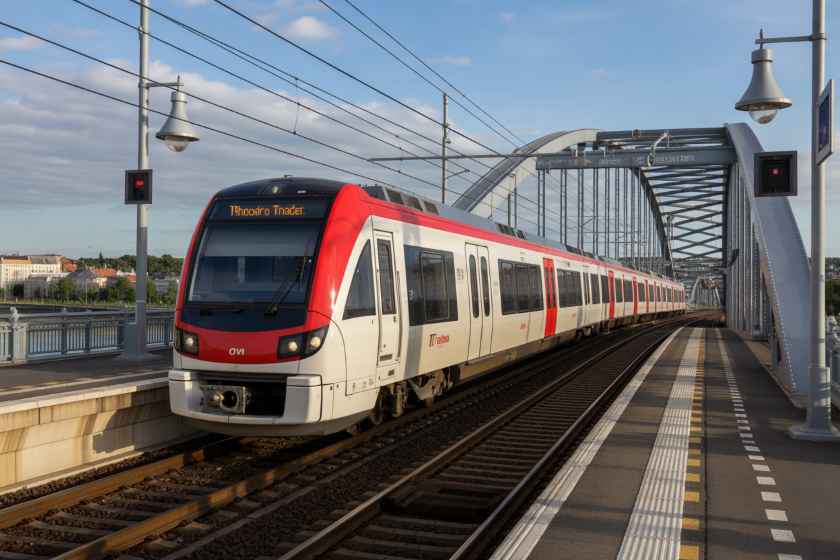
Stadler has secured a contract to modernise 93 GTW multiple-unit trains currently operated by Switzerland’s Thurbo Railway Company, with plans to sell them to Hungarian State Railways (MÁV). This move represents a significant boost to Hungary’s rail infrastructure, as the refurbished trains will not only enhance passenger capacity but also extend the service life of these vehicles, improving overall service for travelers across the country.
The agreement includes a comprehensive refurbishment of the trains, which will be adapted to meet the needs of the Hungarian rail network. By incorporating modern features and addressing operational requirements, these upgraded trains will provide more comfortable, efficient, and reliable travel for passengers across Hungary’s expanding rail system.
The Expansion of Hungarian Railways and Increased Passenger Demand
Hungary’s rail network has been undergoing significant modernization in recent years, aiming to increase efficiency, sustainability, and passenger capacity. The addition of the 93 modernised GTW multiple-unit trains will play a crucial role in these efforts, providing Hungary with much-needed capacity for regional and commuter services.
The trains, which are being updated with the latest technology, are expected to make a significant difference in addressing the growing demand for rail travel in Hungary. With more people opting for trains over cars or planes due to their environmental benefits, the refurbishment of these trains comes at a time when Hungary’s rail system is looking to offer faster, greener, and more efficient travel options for tourists and locals alike.
Improved Passenger Experience and Enhanced Comfort
One of the primary goals of the train refurbishment is to enhance the passenger experience. As part of the modernisation, the trains will be fitted with new seating arrangements, improved accessibility features, and updated amenities to provide greater comfort for long-distance and commuter passengers. With Hungary’s increasing focus on sustainable tourism and improved transport options, the newly refurbished trains will offer a reliable and comfortable means of exploring Hungary’s scenic countryside, cities, and cultural sites.
For tourists visiting Hungary, this means easier access to key destinations, including Budapest, the capital city, and other popular regions like Lake Balaton, Pécs, and the wine regions of Tokaj. The upgraded trains will improve travel time, making it more convenient for visitors to enjoy the beauty of Hungary in an eco-friendly way.
The Role of Stadler in Modernising Hungary’s Rail Network
Stadler, a renowned Swiss manufacturer of trains, is no stranger to international rail projects. Their expertise in designing and refurbishing trains for various markets around the world makes them a perfect partner for MÁV. The company’s commitment to quality and innovation ensures that these refurbished trains will meet high safety, environmental, and operational standards.
By adapting the Swiss Thurbo trains for the Hungarian market, Stadler will help Hungary build a more integrated and efficient rail network. The move will allow Hungary to benefit from the expertise of a trusted global player in the rail industry while also contributing to the country’s long-term transportation goals.
Sustainability and Environmental Impact
The modernisation of these trains also ties into Hungary’s broader sustainability goals. As the world moves towards greener alternatives in transportation, rail is seen as one of the most efficient and eco-friendly modes of travel. The refurbishment of existing trains, rather than the purchase of entirely new ones, aligns with Hungary’s efforts to reduce carbon emissions and improve environmental sustainability.
For tourists, this means that traveling by rail within Hungary will be an even more appealing option. The new trains will offer lower carbon footprints compared to other forms of transport, making them an ideal choice for eco-conscious travelers who want to explore Hungary while minimizing their environmental impact.
A Future-Oriented Rail System for Hungary
This project is part of a broader effort by Hungarian State Railways to modernise the country’s rail infrastructure and expand services to meet the demands of both local and international travelers. Hungary has long been a popular destination for European tourists, thanks to its rich cultural heritage, historic landmarks, and natural beauty. As tourism continues to grow, the expansion of rail services will provide a seamless way for visitors to explore more of the country.
Additionally, the growing interest in rail travel throughout Europe is expected to support the long-term success of this initiative. As other countries in Europe continue to enhance their rail systems, Hungary’s upgraded trains will make it easier for international travelers to explore Hungary as part of broader European rail journeys.
Connecting Hungary to the European Rail Network
With improved connectivity across Hungary and integration with European rail networks, the modernised trains will be crucial for enhancing cross-border travel. As travelers increasingly opt for train travel within Europe, the ability to move smoothly between Hungary, Austria, Slovakia, and other neighboring countries becomes more important. The introduction of these new trains will improve connectivity within the region, allowing visitors to experience Hungary as part of a wider European journey.
Moreover, the long-distance services will provide more efficient travel routes for international tourists, helping to solidify Hungary’s position as a key destination on the European rail map.
Conclusion: A New Era for Hungarian Rail Travel
The modernisation of the 93 GTW multiple-unit trains for Hungary represents a significant step in the ongoing development of the country’s rail network. For travelers, this means enhanced comfort, faster journeys, and more environmentally friendly travel options. With the continued growth of the rail system, Hungary is set to become an even more attractive destination for tourists, offering seamless travel to some of Europe’s most exciting cities and landscapes.
For both locals and tourists alike, the modernised trains are poised to elevate the rail experience in Hungary, making it easier than ever to explore the country’s vibrant cities, charming villages, and stunning natural scenery.
