Published on
January 13, 2026
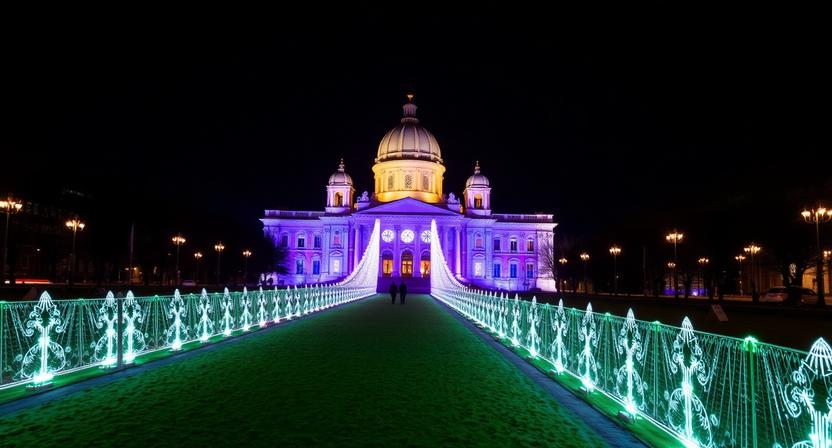
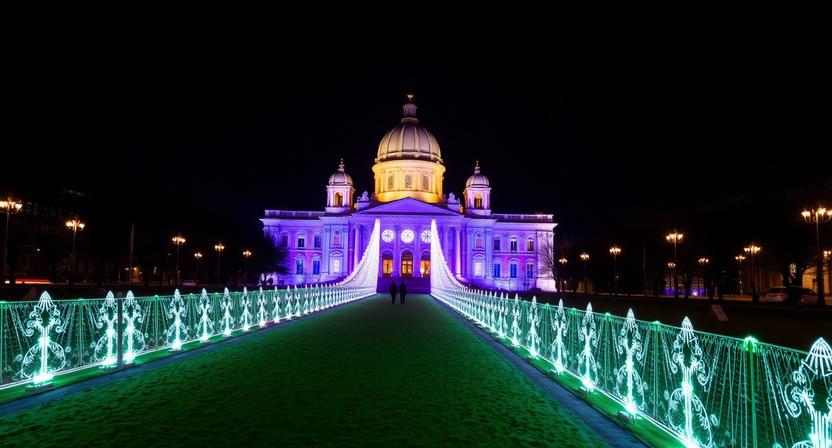
The Vilnius Light Festival is scheduled to occur from January 23rd to 25th, 2026, when Vilnius, Lithuania’s capital, will be transformed into an awe-inspiring outdoor art gallery of contemporary light art. In its eighth edition, this celebration will mark the 703rd birthday of Lithuania’s capital in an inspiring display of 24 illuminated artworks that will be strategically placed across the UNESCO-listed Old Town of Vilnius. This will occur between 5:00 PM and 10:00 PM.
This year’s Light Festival arrives at the height of the so-called “noctourism,” which is becoming increasingly popular and has seen Vilnius, with its ideal location for the changing patterns of tourism, embracing this wave. The Light Festival is not merely the presentation of light but also the chance to view the history and beauty of the city—its charming courtyards and secret squares—in the most magical light, which is the light of carefully created light art.
Turning Winter Darkness into a Spectacle
The festival takes place during the darkest time of the year, making it a celebration of the season’s winter darkness, which is transformed into a stunning visual experience. Paulius Jurgutis, Head of the Vilnius Cultural Center, emphasized that the goal of the festival is not only to create a flashy light show but to highlight architectural details and hidden gems in Vilnius that are often overlooked in the daylight. As Jurgutis explains, “Winter darkness becomes our stage,” turning familiar locations into fairytale-like spaces that reveal a side of the city visitors rarely get to see.
The event’s format aligns with the growing demand for nocturnal tourism, where travelers prioritize experiences beyond typical daytime activities. The five-hour evening window offers visitors ample time to enjoy the light installations while also taking part in other nighttime urban explorations in a city that comes alive after dark. Vilnius, already known for its rich cultural scene, now becomes a top destination for tourists seeking evening adventures and new, immersive travel experiences.
Exploring Unique Art Installations by International Artists
The 2026 edition of the Vilnius Light Festival features a diverse array of artworks by 15 international artists from 9 different countries, alongside 7 student works and 4 additional objects. The pieces explore a wide range of thought-provoking themes, including optical illusions, solar energy, memory, imagination, and the vastness of space. Some notable works include:
Liquid Lens by Italian artist Alessandro Lupi, an experimental look at optical illusions and how light can manipulate perception.The Bird of a Thousand Voices by Boris Acket from the Netherlands, a motor-controlled installation that explores the relationship between memory and imagination.Deviation by Sven Sauer from Germany, a piece that uses light as an architectural force, creating immersive sensory environments.Memory Garden by Lithuanian creators Agnė Stirnė and Oskaras Stirna, which turns nature into interactive, creative objects for exploration.And αsκlipion by French artist Emilien Guesnard, a plant-focused installation combining sound, biology, and herbalism to explore nature’s power.
These installations will be displayed across multiple venues, from church interiors to underground spaces, offering a dynamic cultural journey throughout the city’s most historically rich locations.
Vilnius’ Growth as a Nocturnal Tourism Hub
As part of the growing global trend of noctourism, the Vilnius Light Festival offers a unique opportunity for travelers to experience the city after dark, showcasing how destinations can shift their tourism offerings beyond traditional daylight sightseeing. This type of after-dark tourism is becoming increasingly popular, especially among younger travelers, including Gen Z, who are opting for quick, mini-break trips that focus on immersive, short-duration experiences rather than traditional, long vacations.
The festival’s timing and free access make it a prime activity for visitors on Gen Z mini-breaks, catering to their preference for short yet impactful trips. Airbnb’s 2026 travel predictions reveal that 65% of the top-searched travel dates for 2026 align with major cultural and sporting events, such as this festival, which turns cultural experiences into tourism experiences. By tapping into this trend, the Vilnius Light Festival is positioned as a key event for travelers seeking a distinctive and memorable travel experience that goes beyond traditional tourism.
Winter-Friendly Activities and Convenient Access to the Festival
Vilnius not only offers the light festival but also provides a range of winter-friendly activities that can be easily accessed from the city center. Visitors can explore contemporary art at the MO Museum, enjoy Michelin-listed dining, and experience Europe’s most accessible urban ski slope at Liepkalnis, all within 30 minutes from anywhere in the city.
Moreover, Vilnius’ compact Old Town makes it an ideal destination for travelers, particularly during the winter months. With its walking-friendly layout, visitors can easily explore the light installations on foot, while public transportation ensures convenient access to key festival venues.
Convenient Travel from Across Europe
Vilnius is well-connected to major European cities, with direct flights from places such as Frankfurt, Copenhagen, Helsinki, Amsterdam, London, and Warsaw. This ease of access, combined with its rich cultural offerings, makes Vilnius an increasingly attractive destination for both international tourists and local travelers looking for a winter getaway with a difference.
The Vilnius Light Festival remains free of charge, reflecting the city’s commitment to making cultural programming accessible to all and ensuring that the festival serves as an invitation to experience the city in an entirely new light—literally and figuratively.
Vilnius Shines as a Key Nocturnal Tourism Destination
The Vilnius Light Festival in 2026 is more than lighting; it represents the growing focus of the city towards night tourism as it has the potential to handle the growing demands of modern-day travelers. The city has turned the darkness of winter into the best opportunity to witness the artistic use of lights by highlighting the best of the night through its Light Festival.
“Noctourism” is an ever-growing trend, and the city of Vilnius is also embracing this trend with an event that showcases the distinctive architecture of the city, hidden spots, and the urban spirit. The festival, in addition to offering tourists a new experience with the city, is also enhancing the growth of tourism in Lithuania, as the tourists search for an unforgettable experience in the winter months.
