Published on
January 13, 2026
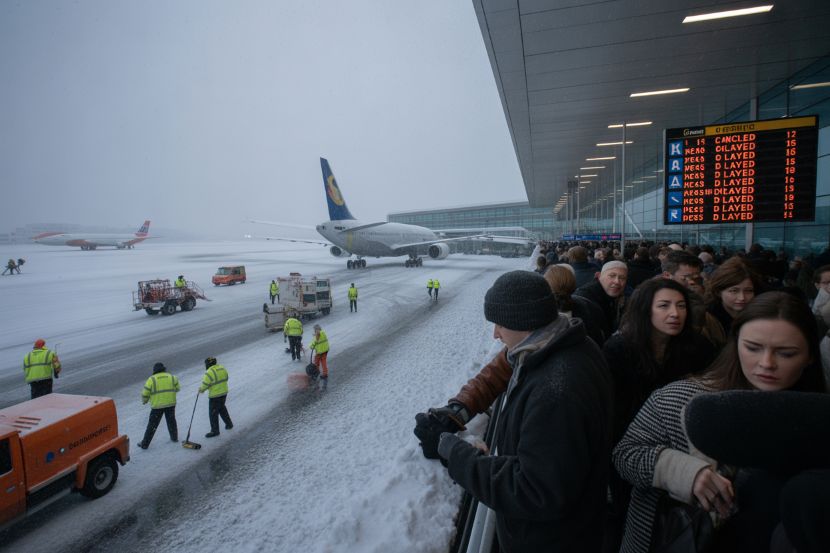
Germany has joined France, the Netherlands, Hungary, Slovakia, and Austria as severe black ice and freezing rain cause widespread disruption to European air travel. On January 13, 2026, multiple major airports, including those in Budapest, Bratislava, Vienna, and Prague, were forced to close or operate under limited capacity due to icy conditions that made runways unsafe. These disruptions have led to numerous flight cancellations, stranding passengers and delaying travel across the continent. The extreme weather continues to affect air traffic, with many travelers experiencing uncertainty as airport crews work to clear the ice.
Black Ice and Freezing Rain Cause Widespread Disruption
The widespread impact of Storm Gunda, bringing freezing rain and black ice, has severely disrupted air travel across Central and Western Europe. The formation of thick ice on runways has made taxiing and takeoffs unsafe, leading to airport closures and flight cancellations at several major airports. These conditions are expected to continue throughout the day, with recovery efforts underway but no immediate end to the disruptions.
Major Airport Closures Across Central EuropeBudapest, Hungary:
Ferenc Liszt International Airport (BUD) in Budapest was forced to suspend all flights at approximately 10:25 am local time due to severe icing on the runways. In an unusual incident, a cargo aircraft operated by Ethiopian Airlines slipped off the taxiway onto the grass, although no injuries were reported. Operations are expected to resume slowly, but travelers should anticipate delays as runway teams work to clear the ice.Vienna, Austria:
Vienna International Airport (VIE) was closed to flights until at least 11:00 am, with efforts to de-ice runways continuously hampered by refreezing. Multiple arriving flights were diverted to nearby airports, and the disruption is expected to persist into the afternoon. Despite ongoing work, crews are struggling to clear the runway fast enough to allow for safe takeoffs and landings.Bratislava, Slovakia:
M. R. Štefánik Airport (BTS) in Bratislava halted all operations until around 11:15 am due to severe ice and snow buildup. The Slovakian authorities advised drivers to avoid travel on surrounding roads, given the hazardous conditions.Limited Operations and Delays in Other Key Hubs
While not fully closed, several airports are operating at a reduced capacity, with delays and cancellations ongoing. These include major airports in the Czech Republic, Germany, and the Netherlands:
Prague, Czech Republic:
Václav Havel Airport Prague (PRG) is operating under strict limitations, with arrivals restricted to allow ground teams and firefighters to de-ice both the runways and aircraft stands. The limited operations are causing significant delays, and travelers should expect to experience long waiting times.Frankfurt, Germany:
Frankfurt Airport (FRA) reported over 100 cancellations by midday, following what authorities are calling an “ice emergency” triggered by the severe weather. The cold front, which includes black ice and snow, has compounded the travel issues, with road conditions around the airport also becoming hazardous. Passengers are advised to check their flight status frequently, as rebookings and adjustments are expected throughout the day.Amsterdam, Netherlands:
Schiphol Airport (AMS) continues to experience hundreds of cancellations, as the black ice complicates ground handling and logistics. The airport had already been dealing with disruptions from winter storms earlier in the week, and the icy conditions today have only exacerbated the delays.How These Disruptions Are Impacting Business and Tourist Travel
For both business travelers and tourists, these weather disruptions are causing considerable stress and delays. Business travelers facing time-sensitive meetings or appointments will struggle to reach their destinations on time, especially as delays extend throughout the day. Corporate travelers should consider contacting airlines for rebooking options or looking into alternative transport like high-speed trains.
For tourists, especially those heading to Europe’s major cultural hubs such as Vienna, Budapest, and Prague, the disruptions could result in missed connections, lost bookings, and delays at hotels. Travelers hoping to visit attractions like the Schönbrunn Palace in Vienna, the Buda Castle in Budapest, or Prague Castle may face difficulties as transport networks and flight schedules remain unpredictable.
Tips for Travelers Facing Disruption
If you are traveling today or in the coming days across Europe, here are some important tips to mitigate the impact of these extreme weather conditions:
Stay Updated on Flight Status:
Regularly check with your airline for updates. Many affected airlines are offering free rebooking or refunds due to the weather disruptions. Use apps like FlightAware or Google to track real-time flight statuses and changes.Allow Extra Time for Travel:
With flight delays expected, be sure to arrive earlier than usual for your flight and anticipate longer waits at airports. Bring snacks, entertainment, and essentials in your carry-on to stay comfortable during extended layovers.Consider Alternative Routes:
If you’re traveling to a major airport like Vienna, Budapest, or Frankfurt, check nearby regional airports for alternative connections or services. It may also be helpful to explore train routes or buses if the airports remain delayed or shut down for the rest of the day.Prepare for Weather-Related Travel Issues:
Black ice and freezing rain can cause significant disruptions not just in the air, but on the ground as well. Ensure your travel insurance covers weather-related disruptions, and make sure to pack appropriately for cold temperatures.Monitor Local Government Alerts:
Stay informed about road conditions and airport closures through official government and airport websites. Local authorities often provide critical updates about severe weather, including travel advisories and alternative transport options.Summary of Affected Regions
The following regions have been most affected by the severe winter weather and the resulting flight cancellations:
Hungary: Budapest International Airport temporarily closed; delays ongoing.Austria: Vienna International Airport suspended morning flights; diversions to regional hubs.Slovakia: Bratislava Airport closed until mid-day; hazardous conditions on surrounding roads.Czech Republic: Prague Airport operating under limited capacity; severe delays expected.Germany: Frankfurt Airport reports over 100 flight cancellations; dangerous road conditions.Conclusion: Be Prepared and Stay Informed
As Europe faces ongoing travel chaos, black ice has effectively brought air travel to a standstill, impacting major airports in Germany, France, Austria, Hungary, Slovakia, and the Netherlands. With many flights canceled and operations severely delayed, passengers are advised to stay updated on their flight status and explore alternative routes. This winter storm highlights the challenges of managing severe weather disruptions, especially in high-traffic hubs.
Disclaimer: The Attached Image in This Article is AI Generated
