
Consumers in Germany are set to face higher heating bills for last year, according to calculations by comparison website Verivox and energy services provider Techem seen by dpa.
Verivox said a typical household using gas heating and consuming about 20,000 kilowatt hours would pay around 13% more in 2025 than a year earlier. The increase was driven by higher consumption following a relatively cold February and a cold snap with frost and snow in November, as well as slightly higher gas prices.
Final heating costs for 2025 are not yet available as providers are still compiling usage data and calculating bills. German households typically make regular payments during the year based on estimated consumption.
Households heating with oil will also see higher costs, though the increase is expected to be more modest at around 4%, Verivox said, as lower oil prices offset higher demand.
Heating with oil was cheaper than gas for the fourth consecutive year, Verivox energy expert Thorsten Storck said, adding that oil-heated households spent about 16% less on heating than gas users.
Techem forecasts that average heating costs in 2025 will rise by 8.6% compared with 2024. The steepest increase is expected for district heating, up 13.2%, while gas heating is also set to become more expensive. Oil heating costs are expected to rise only moderately, by about 2.4%.
The forecast is based on EU consumer price index data and weather information validated by Germany’s national weather service. The data has been extrapolated for the final weeks of the year.
Although energy prices have eased in some cases, higher consumption due to colder temperatures has more than offset the effect, Techem said.
Germany has experienced prolonged cold conditions in recent weeks, with Christmas temperatures averaging the lowest in 15 years, according to the weather service.
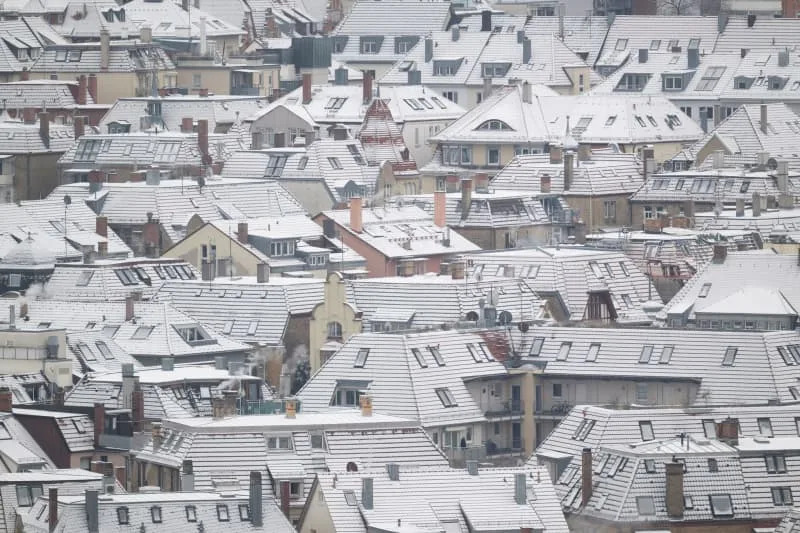
Snow-covered roofs can be seen in the city center. Germany’s heating bills set to rise as colder weather drives up costs Marijan Murat/dpa