
Published on
January 14, 2026

In 2026, Switzerland joins France, the UK, Germany, Italy, Spain, the Netherlands, and other European countries in facing rising U.S. visa fees and strict travel restrictions due to new rules on restricted countries. These changes, stemming from the Visa Waiver Program Improvement and Terrorist Travel Prevention Act, require travelers who have visited certain countries, such as Iran, Syria, and North Korea, to apply for a full B-1/B-2 visa instead of using the ESTA. This shift not only increases visa application fees but also imposes significant bureaucratic hurdles, potentially deterring many European travelers from visiting the U.S. The impact of these new regulations is expected to affect both leisure and business travel, with many Europeans opting for alternative destinations with fewer travel restrictions.
Visa Waiver Program Changes and Impact on European Travelers
The Visa Waiver Program Improvement and Terrorist Travel Prevention Act has introduced significant changes for European citizens who typically travel to the U.S. with an ESTA. As of 2026, travelers who meet certain “restricted travel” criteria are disqualified from using the ESTA and are required to apply for a Full B-1/B-2 Visa. This affects citizens from Visa Waiver countries like the UK, Germany, and France if they have visited restricted countries or meet specific dual nationality restrictions.
Restricted Countries and Dual Nationality Rules
Under the new regulations, European travelers who have been to certain countries since specific dates are no longer eligible for the ESTA. The list includes countries in the Middle East & Africa (e.g., Iran, Iraq, Syria), Asia (North Korea), and the Caribbean (Cuba). Particularly, Cuba is a critical case; a trip to Havana after January 2021 revokes ESTA eligibility due to Cuba’s designation as a State Sponsor of Terrorism. Additionally, dual nationality with certain countries, such as Iran, Iraq, or North Korea, automatically disqualifies individuals from the ESTA program.
Switzerland: How Rising Visa Fees Could Impact U.S. Tourism

Switzerland, known for its affluent population and strong ties to international travel, may face a significant shift in tourism patterns due to the rising visa costs for U.S.-bound travelers. Swiss citizens, who currently pay $21 for an ESTA, will see the fee increase to $64 starting in 2026. While this fee hike may not be a major deterrent for some, the more pressing concern is for those who have visited restricted countries such as Iran, Syria, or North Korea. Under the new regulations, travelers with such travel histories will no longer qualify for an ESTA and will instead be required to apply for a Full B-1/B-2 Visa, which costs a steep $472.
The additional burden of high visa fees and the administrative complexities of applying for a full visa may discourage Swiss tourists from visiting the U.S. in the same numbers as before. Many Swiss travelers, who typically rely on the ease of the ESTA system for short trips, may opt for alternative destinations with less stringent visa requirements. Business travelers from Switzerland, who frequently visit the U.S. for meetings or conferences, could also find the full visa process inconvenient and costly, potentially leading to a decline in corporate travel. For leisure travelers, the higher costs and bureaucratic hurdles could make other European or global destinations more appealing, thus impacting U.S. tourism in the long run.
France: How Increased Visa Costs Could Affect French Tourists

The rising costs associated with U.S. travel visas are likely to have a notable effect on French tourism to the United States. French citizens currently pay a modest $21 for an ESTA, but in 2026, this cost will jump to $64. While this might not seem like a drastic increase, the real challenge emerges for those disqualified from the ESTA process. If a French traveler has visited any of the restricted countries such as Syria, Sudan, or Cuba, they will be forced to pay a far higher fee for a Full B-1/B-2 Visa, which stands at $472. This new rule, combined with the cumbersome process of obtaining a full visa, could dissuade many French travelers who had previously enjoyed the convenience of an ESTA. The impact will likely be felt most by casual tourists, students, and business professionals who had considered the U.S. a short-term destination. In addition, those who have already visited restricted countries might opt for alternatives like Europe or Asia, where visa requirements are less complex and costly. As a result, the U.S. could lose a significant portion of its French tourist base, affecting both leisure and business travel sectors.
United Kingdom: Impact of Rising Visa Fees on U.S. Tourism
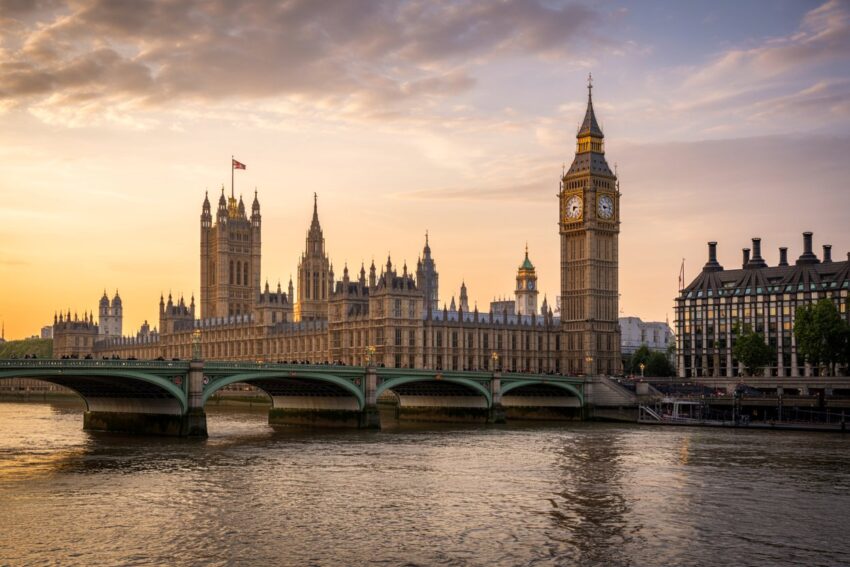
The recent surge in visa fees for U.K. citizens traveling to the United States could have a significant impact on tourism between the two nations. Starting in 2026, British travelers will pay $64 for an ESTA, up from the previous $21. This price hike alone may deter many casual visitors, especially those planning short trips to the U.S. However, the real obstacle lies in the possibility of being disqualified from the ESTA process altogether. European travelers who have visited countries like Iran, Iraq, or North Korea since certain dates will be forced to apply for a Full B-1/B-2 Visa, which comes with a steep price tag of $472. For many Brits, who have historically been among the most frequent U.S. visitors, these new requirements could be a serious deterrent. The hassle of obtaining a full visa, coupled with the high costs, may discourage spontaneous visits, especially for families, young adults, and business travelers who previously relied on the convenience of the ESTA. The outcome could be fewer U.K. citizens visiting the U.S., and for those who do, a much more expensive and time-consuming process.
Germany: Full Visa Requirement’s Impact on Tourism Trends

Germany is one of Europe’s largest sources of visitors to the United States, but the recent changes to visa fees and eligibility could alter travel patterns in the coming years. As of 2026, German travelers will pay $64 for an ESTA, an increase from the previous $21. However, the most significant change is that travelers who have visited restricted countries like Iran or Syria will no longer be eligible for the ESTA and will need to apply for a Full B-1/B-2 Visa, costing $472. This substantial fee increase, paired with the complexity of securing a full visa, could discourage many Germans from planning trips to the U.S. The process of applying for a full visa is more time-consuming and bureaucratic, making it a less attractive option for short-term travelers. As a result, many German tourists may opt to visit alternative destinations, such as within the European Union, where visa requirements are less stringent. This could lead to a significant decline in tourism from Germany, particularly among younger travelers, families, and business professionals who valued the flexibility of the ESTA program. In the long run, this could affect the U.S. tourism industry, especially in cities like New York, Los Angeles, and Miami, which are popular among German tourists.
Italy: Increased Visa Fees and its Effect on Travel to the U.S.

For Italy, one of the top sources of European tourists to the U.S., the new visa fee structure could make American travel less accessible for many citizens. Italians currently pay $21 for an ESTA, but by 2026, that amount will rise to $64, a notable increase for those planning short-term visits. More concerning, however, is the possibility that travelers who have been to restricted countries such as Libya or North Korea will need to apply for a Full B-1/B-2 Visa, which costs $472. This change could have a significant impact on Italy’s tourism to the U.S., as many Italian tourists, especially younger ones or those visiting on business, are unlikely to be prepared for the high costs and lengthy visa application process. The increased visa fees could discourage casual tourists from considering the U.S. as a destination and could push them toward more affordable and visa-friendly countries in Europe or other parts of the world. For those who need to travel for business or academic purposes, the higher costs and complexity of the visa application could lead to a decline in the number of Italians visiting the U.S. in the coming years, affecting both leisure and professional travel.
Spain: The Effect of Full Visa Requirements on Spanish Travelers

Spain’s tourism to the United States, which has been steadily growing in recent years, is likely to experience a setback due to the new visa regulations set to take effect in 2026. Spanish citizens currently enjoy the convenience of the $21 ESTA fee, but this will increase to $64, which may not be a huge deterrent by itself. However, for those who have visited restricted countries like Syria or Sudan, they will face the additional burden of paying $472 for a Full B-1/B-2 Visa. The higher cost, combined with the more complex application process, could make the U.S. a less appealing destination for many Spanish tourists. Business travelers, students, and casual tourists who previously found the ESTA process simple and cost-effective may now think twice before visiting the U.S. The added financial strain of a full visa, along with the time-consuming nature of the application, could encourage Spanish travelers to explore alternatives in Europe or other countries with fewer visa restrictions. This change could ultimately lead to fewer Spanish visitors to the U.S., resulting in a loss of potential revenue for the U.S. tourism industry, especially in major tourist hubs such as New York, Florida, and California.
Netherlands: How Rising Costs Could Reduce U.S. Travel from Dutch Citizens

The new visa fee structure is set to change the dynamics of U.S. travel from the Netherlands, a country that has long been a significant contributor to U.S. tourism. Dutch travelers currently pay a modest $21 for an ESTA, but in 2026, this will rise to $64. While this increase might not be an immediate deterrent for most, the real issue lies with those who have traveled to restricted countries like Yemen or Iran. These travelers will no longer qualify for the ESTA and will need to apply for a Full B-1/B-2 Visa, which comes with a steep cost of $472. The high visa fees and the complex application process could lead to fewer Dutch travelers visiting the U.S. for both leisure and business purposes. As the cost of visiting the U.S. rises, many Dutch tourists might choose to explore other destinations with fewer visa restrictions and lower travel costs. For business travelers, the bureaucratic nature of the visa application could discourage short-term visits, while families and younger travelers might opt for more affordable and flexible alternatives. This shift in travel preferences could have a long-term impact on Dutch tourism to the U.S.
The Financial Impact of Visa Disqualification
When a European traveler is disqualified from the ESTA, they must apply for a Full B-1/B-2 Visa, which is significantly more expensive. While an ESTA costs just $64, the full visa application involves a total cost of $472. This includes various fees such as the Standard Visa Application Fee ($185), Visa Integrity Fee ($250), and additional costs like the Form I-94 Digital Fee ($24), which add up to a much higher financial burden.
Exceptions and Social Media Sweeps
There are some exceptions to the new rules. Travelers who have visited restricted countries for official military, government, or international organization duties are typically exempt. However, journalists and NGO workers are generally required to apply for the full visa if they’ve worked in these regions. In addition, a major new change under Proclamation 10998 involves AI-driven social media sweeps that analyze your online presence. If your social media activity indicates support for groups in restricted regions, even if you’ve never visited those areas, your ESTA may be denied, forcing you into the full visa application process.
In 2026, Switzerland joins France, the UK, Germany, Italy, Spain, the Netherlands, and other European countries in facing rising U.S. visa fees and strict travel restrictions due to new rules on restricted countries, impacting both leisure and business travel.
Conclusion
Switzerland, along with France, the UK, Germany, Italy, Spain, the Netherlands, and other European countries, is facing rising U.S. visa fees and strict travel restrictions due to new rules on restricted countries. These changes, driven by concerns over national security and terrorism prevention, have significantly altered the ease of travel for European citizens to the U.S. The increase in visa application costs and the requirement for travelers who have visited certain restricted countries to apply for a full B-1/B-2 visa rather than using the ESTA will likely deter many from visiting. As a result, U.S. tourism could see a decline from these European markets, with travelers opting for destinations with fewer visa barriers.
