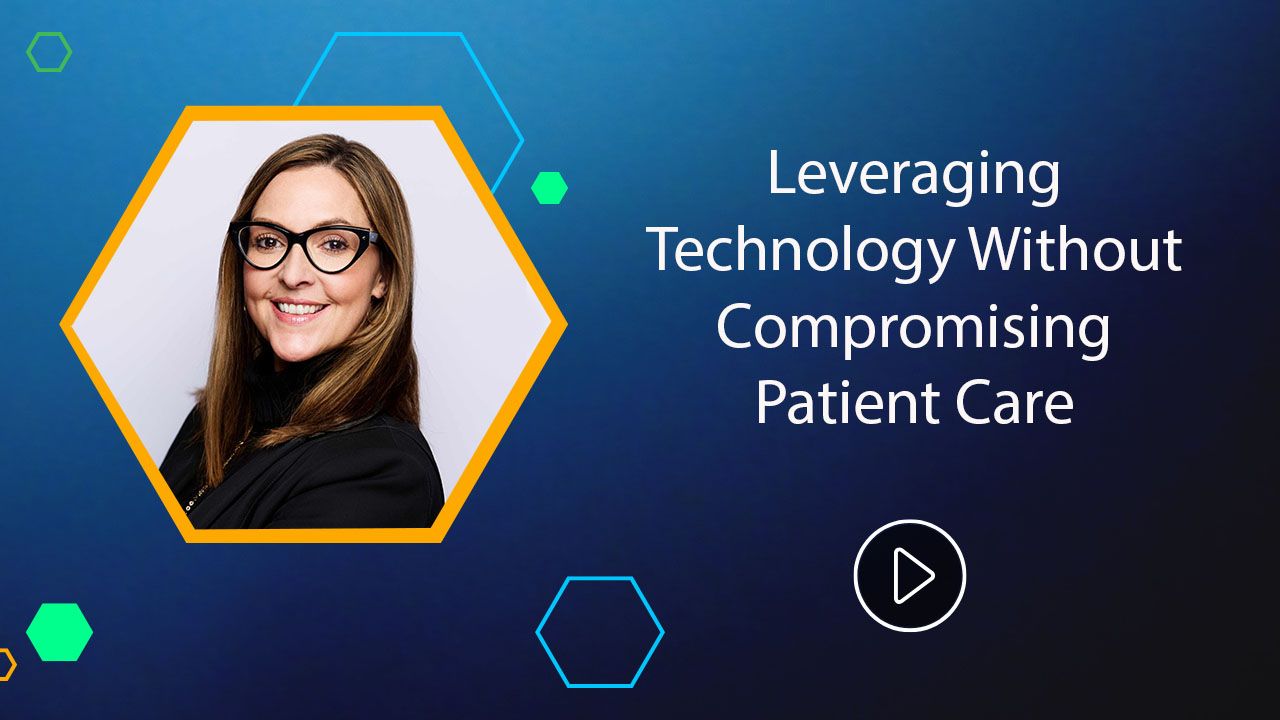
Haley Burgess, SVP of provider surveillance and safety at Inovalon, discussed the operational challenges in specialty pharmacies, including high costs, complex prior authorization processes, and medication adherence issues. Burgess highlighted the role of Inovalon’s platforms, Script Med and Vigilance, in streamlining workflows, improving patient care, and enhancing pharmacist productivity by 50%. Burgess emphasized the importance of data integration, AI-driven tools, and precision medicine in evolving the role of specialty pharmacists. A transcript of her conversation with Pharmaceutical Executive can be found below.
Pharmaceutical Executive: How can pharmacies leverage technology to maintain efficiency without compromising patient care?
Haley Burgess: Pharmacies are well positioned in that transition of care for a couple reasons. And we’re coming out of American pharmacist month and spent a lot of time in October talking about this, but at that transition of care, pharmacists sit in a lovely position, because 90% of us of the U.S. population live within five miles of a pharmacy. So, the access to pharmacists is absolutely great, but also, we’re a very trusted professional ranked one of the top three, generally the top in the way of trust and so patients are coming in they’re having those rich conversations. But also, we’re taking all that rich data and putting it into one place to allow these slick workflows and at Inovalon, we have an ambulatory surveillance tool that’s in pre-sale right now. It’ll launch to the market fully in 2026 and we’re excited about it, because this tool is leveraged really well on the hospital side for transitions of care, and we’ve built workflows that identify patients at high risk for hospital readmission. It’s very costly to the patient, as well as to healthcare in general, and if we look at some of those highest you’re talking congestive heart failure, COPD patients, cardiac issues, those patients can be identified and flagged, and then you pull in claims data, medication adherence data, and it allows you to intervene early as you’re watching the patients through this transition. What can happen with medication reconciliation on those transitions, there are errors of omission where they’re leaving one care setting to another, and that can be hospital to ambulatory, or vice versa. Medications are left off of their regimen, and medications are duplicated in their regimens, and it’s a real challenge when you’re moving between settings, because your formulary changes based on the care setting, you’re in. So, in the hospital, the medications that they have contracted may be very different from your outpatient side of what your insurance wants you to be on. So those kinds of errors happen very often, and then adherence is just a problem. In general, around 125,000 patients a year will die from medication adherence issues each year, and that’s absolutely abysmal in the age that we live in with the technology everyone with smartphones, there are many ways that we can interact with patients in real time to help them stay on their medications or change their medications. If the medications are causing the problems and they’re not responding, well.