The crude oil relationship between the U.S. and Canada has a lot going for it: proximity, friendship, and — crucially — timing.
There’s been a long-standing synergy between the two countries around oil. But the seizure of Venezuelan oil by the U.S. could throw a wrench into the future of that relationship, experts said.
In the 2000s, U.S. refiners were able to replace missing Venezuelan heavy crude oil with Canada’s, said Kevin Birn, head of carbon research at S&P Global Energy.
Canadian crude exports to the U.S. have increased for years since that oil is heavy and perfect for the specialized refineries needed to process it. Venezuelan oil is also heavy.
“Around the same time that Latin American crude was beginning to soften, Canadian production was beginning to accelerate,” Birn said.
But now, if some of that Venezuelan crude oil comes back, Energy Intelligence research director Abhi Rajendran said it will likely have to come out from other sources.
“Canadian crude is going to be your number one source of being substituted away from,” he said.
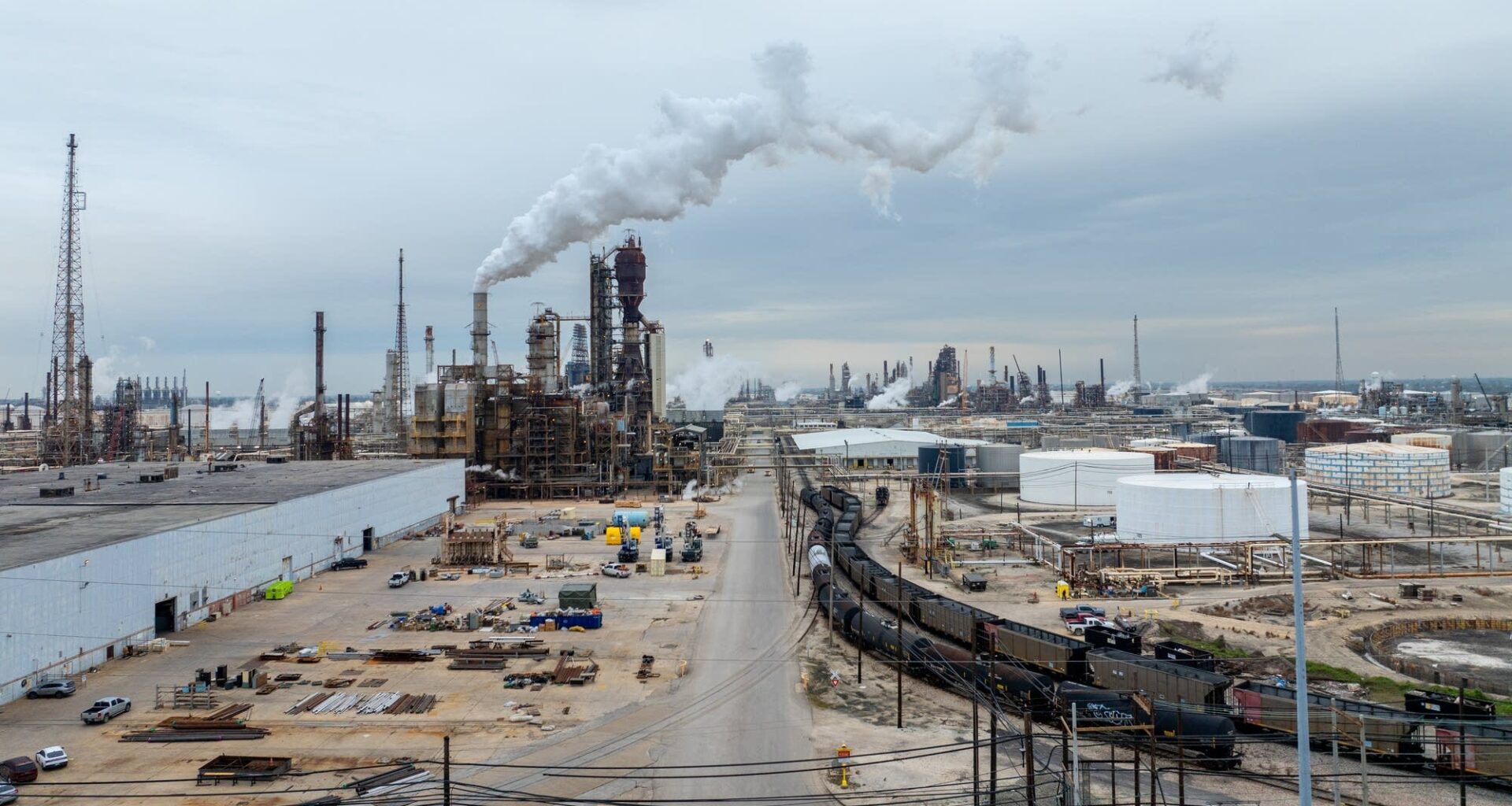
That will play out on the U.S. Gulf Coast, where refineries were built for heavy Venezuelan oil. Birn said more than a million barrels of Canadian heavy crude are currently used per day on the Gulf Coast. If it has to compete with more Venezuelan crude, he said it will “come down to price.”
But Canada can sell to other countries, said Ryan Kellogg, a professor of climate and energy policy at the University of Chicago.
“This is sort of yet another reason to think hard about diversifying their market and try to find markets that are not the U.S.,” Kellogg said.
Since Canadian oil is landlocked in Alberta, that requires building more infrastructure, said Rory Johnston, founder and oil market researcher at Commodity Context in Canada.
“Most of the discussion is going towards expanding pipeline capacity to the west coast of Canada for British Columbia, so those barrels can get directly to Asia from Canadian shores,” he said.
One big potential buyer is China.
“If, all of a sudden, China is getting less Venezuelan barrels, that just increases their demand for Canadian barrels,” Johnston said. “We’ve already seen reports that we’ve seen increased bids from Chinese buyers for Canadian heavy crude at the west coast.”
Johnston said the recent geopolitical move with Venezuela underscores to Canada that the U.S. is a less reliable partner than it once was.
Related Topics