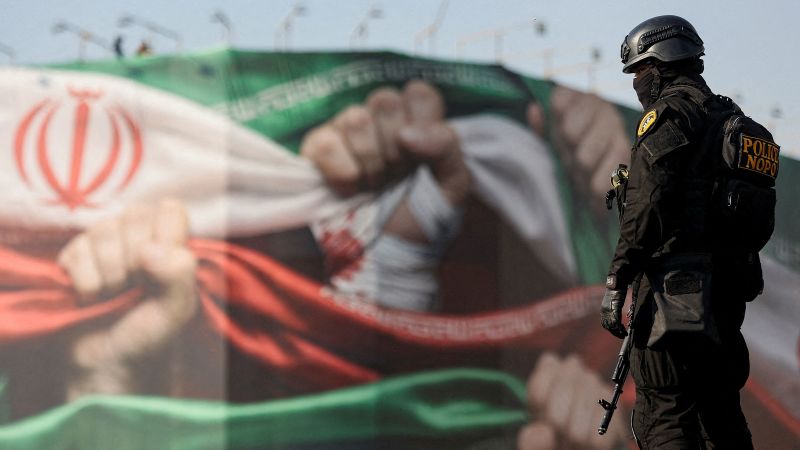
The fallout from anti-government protests in Iran has caused Tehran’s relations with the US to deteriorate once again, putting the Middle East on edge and prompting the US to take precautionary steps in the region.
As US-Iran tensions rachet up and the Trump administration considers military action, some personnel at the US’ military base in Qatar have been urged to leave, a US official told CNN earlier today.
Meanwhile, the US embassy in Saudi Arabia called for “increased caution” among US citizens and its personnel, encouraging them to limit “non-essential travel to any military installations in the region.”
If Iran executes protesters, US President Donald Trump warned yesterday the US “will take very strong action,” though he did not specify the nature of that action. He earlier told the protesters via a Truth Social post to keep protesting because “help is on its way,” without detailing what that would entail, and said he had canceled any meetings with Iranian officials.
Against this backdrop, other countries in the region are seeking to deescalate tensions between Tehran and Washington. Three US-allied Gulf Arab nations – Saudi Arabia, Qatar and Oman – are engaged in behind-the-scenes diplomatic efforts to prevent US military action against Iran, a regional official with knowledge of the matter told CNN.
“Any military escalation will have consequences for the wider region, including its security and economy,” the official said.
Turkey too is in touch with Iranian and American officials about returning to the negotiating table, though the pace of talks might be too slow, a regional diplomatic source told CNN earlier today.
“Currently, there is talk about negotiating. The pace of talks is slow, (and) at this speed might end up being too late,” the source said.
CNN’s Mostafa Salem, Jeremy Diamond, Lauren Chadwick, Gul Tuysuz and Kevin Liptak contributed reporting.
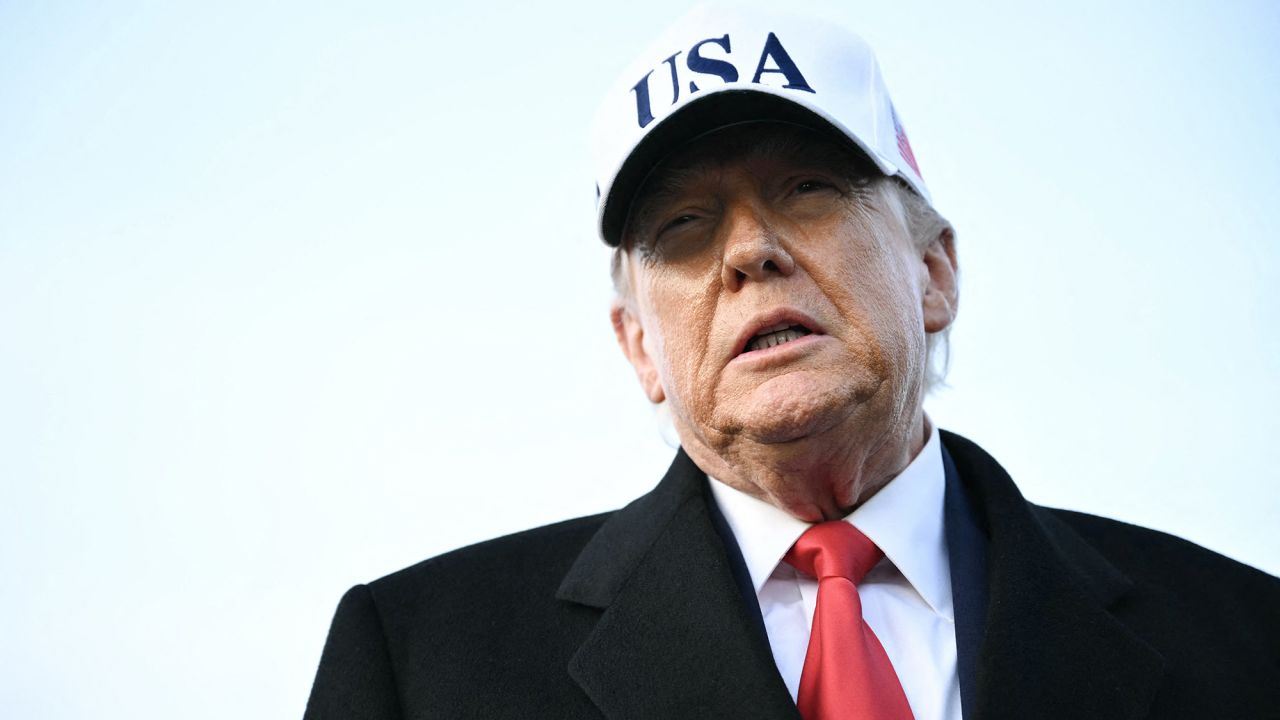
President Trump weighs Iran options
President Trump weighs Iran options
01:42