Published on
January 15, 2026
In 2026, Europe is entering what industry experts are calling the “Golden Age of Rail,” with a surge of high-speed rail expansions aimed at making travel more sustainable and reducing the continent’s carbon footprint. Countries like Germany, France, Spain, Switzerland, Austria, and Ireland are leading the way by investing in green rail projects to replace short-haul flights and provide an alternative for tourists and business travelers alike. These moves are in line with the European Commission’s strategy to double high-speed rail use by 2030, aiming to create more sustainable and efficient travel across the continent.
By integrating biometric technologies and hydrogen-powered trains, Europe’s rail systems are not only cutting down on emissions but also offering a smoother, more environmentally friendly way to travel. This shift is reshaping how people travel within Europe, making rail a leading choice for those who want to reduce their carbon footprint while exploring the diverse cultures and landscapes of the continent.
1. Germany and France: High-Speed Powerhouses Driving Cross-Border Sustainability
Germany and France are the primary drivers of this rail sustainability revolution in Europe, focusing on high-speed routes that replace heavily-polluting short-haul flights between major cities. In March 2026, the Paris-Berlin Sleeper route will be relaunched, making it a green alternative to the previously flight-heavy corridor. This is expected to drastically cut down on carbon emissions while offering a comfortable, scenic journey for both business travelers and tourists.
In addition, Germany is rolling out hydrogen-powered trains on regional lines, particularly to replace diesel-powered trains on non-electrified tracks. This expansion of green technology is set to make Germany one of the world leaders in sustainable rail transport, driving future rail networks toward carbon neutrality.
Key Insights:Paris-Berlin Sleeper relaunched in March 2026.Hydrogen-powered trains replacing diesel in Germany.Biometric train stations for more efficient travel.2. Spain: A Leader in Rail Liberalization and Sustainable Travel
Spain is embracing the future of rail travel with its extensive high-speed network, which is now the second-largest in the world after China. Spain’s rail liberalization, which began in 2025, has driven down ticket prices, making high-speed travel more affordable for both tourists and business travelers. The Madrid-Lisbon link has also seen upgrades, significantly reducing travel time and providing easier connections to Portugal.
By the end of 2026, Spain plans to expand its high-speed grid, reaching more underserved regions, such as Extremadura and Castilla-La Mancha, which have been historically difficult to access by rail. This growing accessibility will allow more travelers to explore Spain’s diverse landscapes and culture sustainably.
Key Insights:High-speed rail network expansion in Spain.New routes like Madrid-Lisbon improving cross-border connections.More affordable train travel options, especially in rural areas.3. Switzerland: The ‘Train-First’ Gold Standard
Switzerland continues to lead the way in modal share, with a greater percentage of travelers choosing rail over other forms of transport. The Basel-Malmö Sleeper route, launching in April 2026, connects Switzerland to Scandinavia, offering a sustainable way to travel across Central Europe and Scandinavia.
The Nightjet service between Zurich and Rome has also been upgraded, catering to both luxury travelers and those looking for a more eco-friendly option. Switzerland’s commitment to sustainable transportation remains at the forefront of European rail development, as the country integrates electric and hydrogen-powered trains into its network.
Key Insights:Switzerland’s leadership in train-first travel.New Basel-Malmö Sleeper improving connections to Scandinavia.Sustainability-focused Nightjet service between Zurich and Rome.4. Austria and the Koralmbahn: A Major Leap for Rail Efficiency
Austria has marked a major milestone in rail sustainability with the launch of the Koralmbahn high-speed line, which includes one of the world’s longest tunnels. This new rail line, which cuts the travel time between Graz and Klagenfurt from three hours to 45 minutes, offers a cleaner and faster alternative to road and air travel. The Koralmbahn project is expected to contribute significantly to Austria’s green transport goals, making it a crucial piece in Europe’s evolving rail network.
Key Insights:Koralmbahn high-speed line improves travel efficiency in Austria.Reduces travel time between Graz and Klagenfurt by over two hours.Austrian investment in high-speed tunnels supports green travel.5. Hungary, Latvia, and Ireland: Rapid Growth in Rail Usage
Smaller countries like Hungary, Latvia, and Ireland have also seen impressive growth in rail usage. Hungary, with its 60% growth, is expanding its Budapest-Vienna-Belgrade corridor, while Latvia is progressing with Rail Baltica, which will connect Riga to the wider European rail network. In Ireland, the government is focusing on domestic intercity routes, allowing tourists to easily explore the “Wild Atlantic Way” without relying on cars.
Key Insights:Hungary sees a 60% increase in rail usage.Latvia’s Rail Baltica project connects Riga to the European network.Ireland increases investment in domestic rail.
Key 2026 Green Rail Launches: Paving the Way for Sustainable and High-Speed Travel Across EuropeNew RouteLaunch DateSustainability GoalParis ↔ Berlin (Sleeper)March 26, 2026Replace short-haul flight pathBasel ↔ Malmö (Sleeper)April 15, 2026Connect Alps to Nordics via railPrague ↔ CopenhagenMay 2026High-speed link for Central EuropeAmsterdam ↔ BarcelonaLate 2026Long-distance night travel revivalBrussels ↔ MilanJune 2026Direct North-to-South “Green Link”
Why Train Travel is the Future of Sustainable Transport1. Massive Carbon Savings: Rail vs. Car and PlaneRail travel produces 10 times less carbon than driving a petrol or diesel car. For example, traveling from London to Edinburgh by rail emits just 12.5 kg of CO2, compared to 136 kg by car.Train journeys generate 13 times less carbon than flights. Long-distance European travel, like London to Nice, sees an 85% reduction in emissions when you choose the train over flying.2. Energy Efficiency: The Science Behind Rail’s SustainabilityTrains are more energy-efficient than cars or planes, thanks to lower rolling resistance and regenerative braking that feeds power back into the grid.Hydrogen-powered trains are replacing diesel in regions without electrified tracks, emitting only water vapor and operating nearly silently, making them a sustainable alternative in rural areas.3. Smaller Environmental FootprintTrains move 50,000 people per hour on a single rail line, whereas a highway lane can only move 2,500 cars. This means trains require less infrastructure, helping to preserve natural habitats and reduce urban sprawl.Trains cut down on pollution—reducing nitrogen oxides by 50% and particulate matter by up to 90%, making the air cleaner in urban areas.Noise pollution is significantly lower with silent high-speed trains, operating at 50-75 decibels, compared to 105 decibels from airplanes.4. Sustainable for the Long Haul: Durability and Renewable IntegrationTrains are built to last 30 to 40 years, whereas cars are replaced much more frequently, spreading the carbon debt of manufacturing over decades of high-capacity use.Countries like France and Switzerland power their rail networks using renewable energy or nuclear power, making rail nearly carbon-neutral.Quick Travel Tips for 2026Book Early for Popular Routes: With the expansion of high-speed rail services in Spain, Switzerland, and Germany, booking early ensures you get the best seats and avoid overbooking.Explore Sustainable Travel: Opt for train travel on eco-friendly routes, especially the Basel-Malmö Sleeper and Paris-Berlin Sleeper, to reduce your carbon footprint.Look for “Green” Passes: Several European countries, including Hungary and Latvia, offer green travel passes for discounted and sustainable travel options.Pack Light: Many new high-speed trains offer limited space, so travel light to ensure comfort and flexibility.Check Local Train Timetables: With the expansion of services, it’s always a good idea to check timetables and connections before your trip.Conclusion
The Golden Age of Rail has arrived in Europe, with countries like Germany, France, Spain, and Switzerland leading the charge in sustainable travel. Chronocationers, business travelers, and tourists can now enjoy a cleaner, faster, and more scenic way of exploring Europe’s rich landscapes. The future of travel looks greener, and rail is firmly at the heart of this transformation. Whether traveling between Paris and Berlin, or exploring the Alps, 2026 is shaping up to be a year of sustainable, high-speed journeys across Europe.
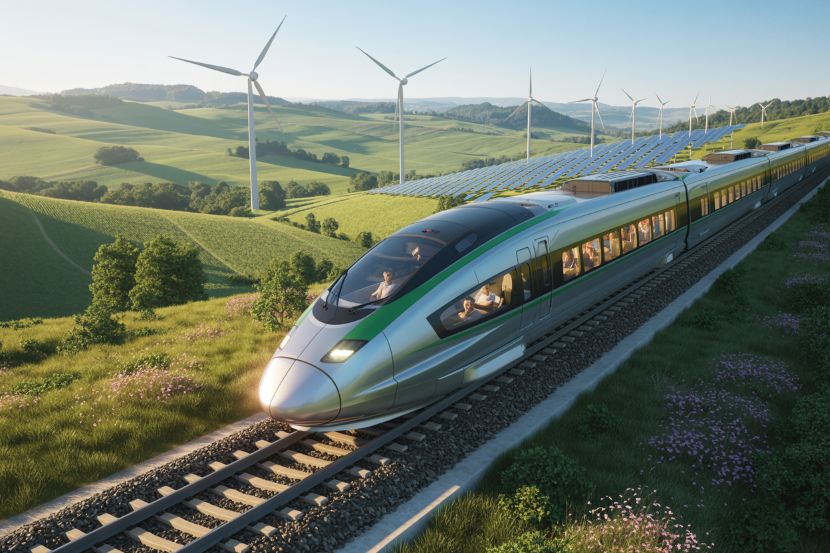
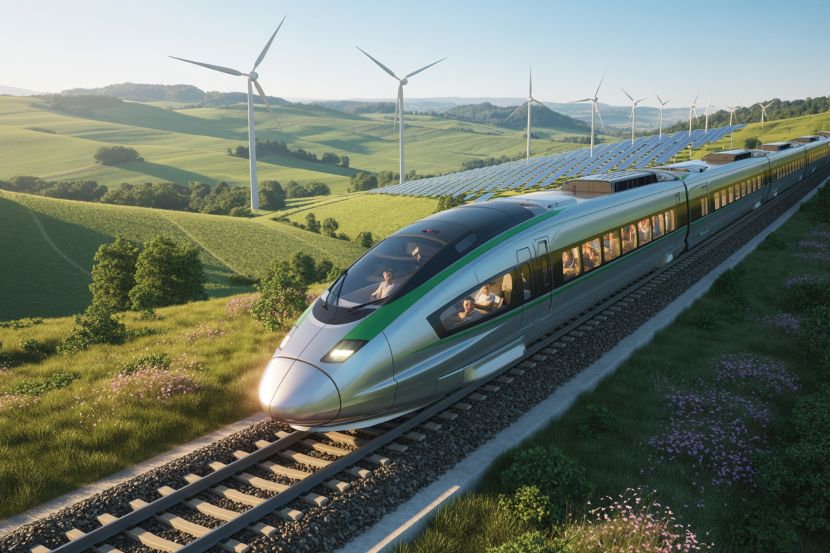
Disclaimer: The Attached Image in This Article is AI Generated
