Luxembourg is aiming to speed up the process for those looking for refuge in the country, as part of plans to improve migration flows across the European Union.
The government wants to simplify administrative procedures and reduce processing times for refugees and asylum seekers coming to the Grand Duchy, the home affairs ministry said in a press release on Wednesday.
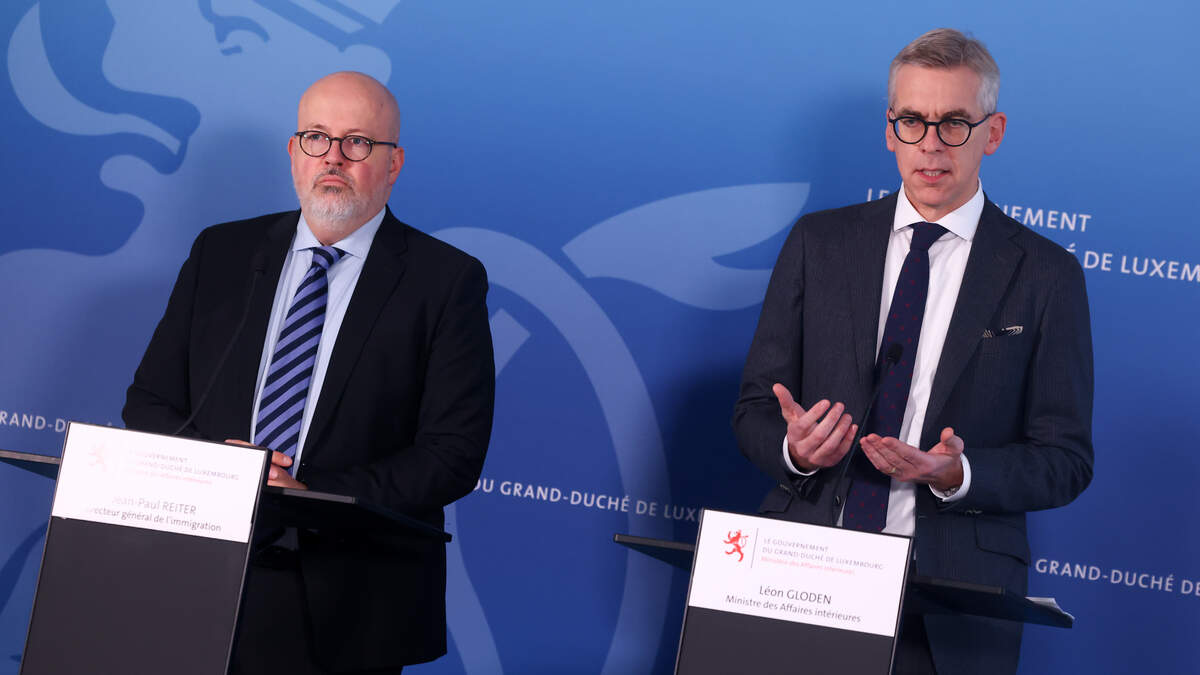
“People with a genuine prospect of obtaining refugee status must receive a swift response,” Home Affairs Minister Léon Gloden said.
“People with no prospect of obtaining refugee status should not be given false hope,” he added. “Therefore, they too should receive a swift response […] and then be able to return to their country quickly. The same applies to those who are in the country illegally or who pose a threat to public safety.”
The measures come as part of an EU directive, which Luxembourg must transpose into national law by June 12. The European Pact on Asylum and Migration aims to manage migration flows across the bloc and protect external borders, while protecting the rights of migrants arriving in EU countries.
Also read:Luxembourg plans to set up asylum and immigration court
The directive introduces new screening processes for migrants, including security and health checks for third-country nationals who have crossed the EU’s external borders without meeting the entry requirements or who are living in a member state without having undergone border checks upon entry.
Gloden said at a press conference on Wednesday that Luxembourg will build a new centre to process asylum and refugee applications in the Gare district of the capital city. Some 40 staff are set to work at the centre.
Under the plans, the home affairs ministry estimates that 350 third-country nationals will pass through screening in Luxembourg each month.
Luxembourg is aiming to be able to identify individuals coming to the country within a week, subject migrants to security, health and vulnerability checks and then process them as quickly as possible after.
Screening will apply to those looking for international protection without any valid documents, third-country nationals apprehended by the police and those looking for international protection coming via Findel airport into Luxembourg.
In 2025 Luxembourg granted 638 people international protection, according to the home affairs ministry. The Grand Duchy is the one of the member states most affected by secondary migration – people coming into the country via another EU member state, according to the ministry.
(This article was originally published by the Luxemburger Wort. Machine translated using AI, with editing and additional reporting by Kate Oglesby)