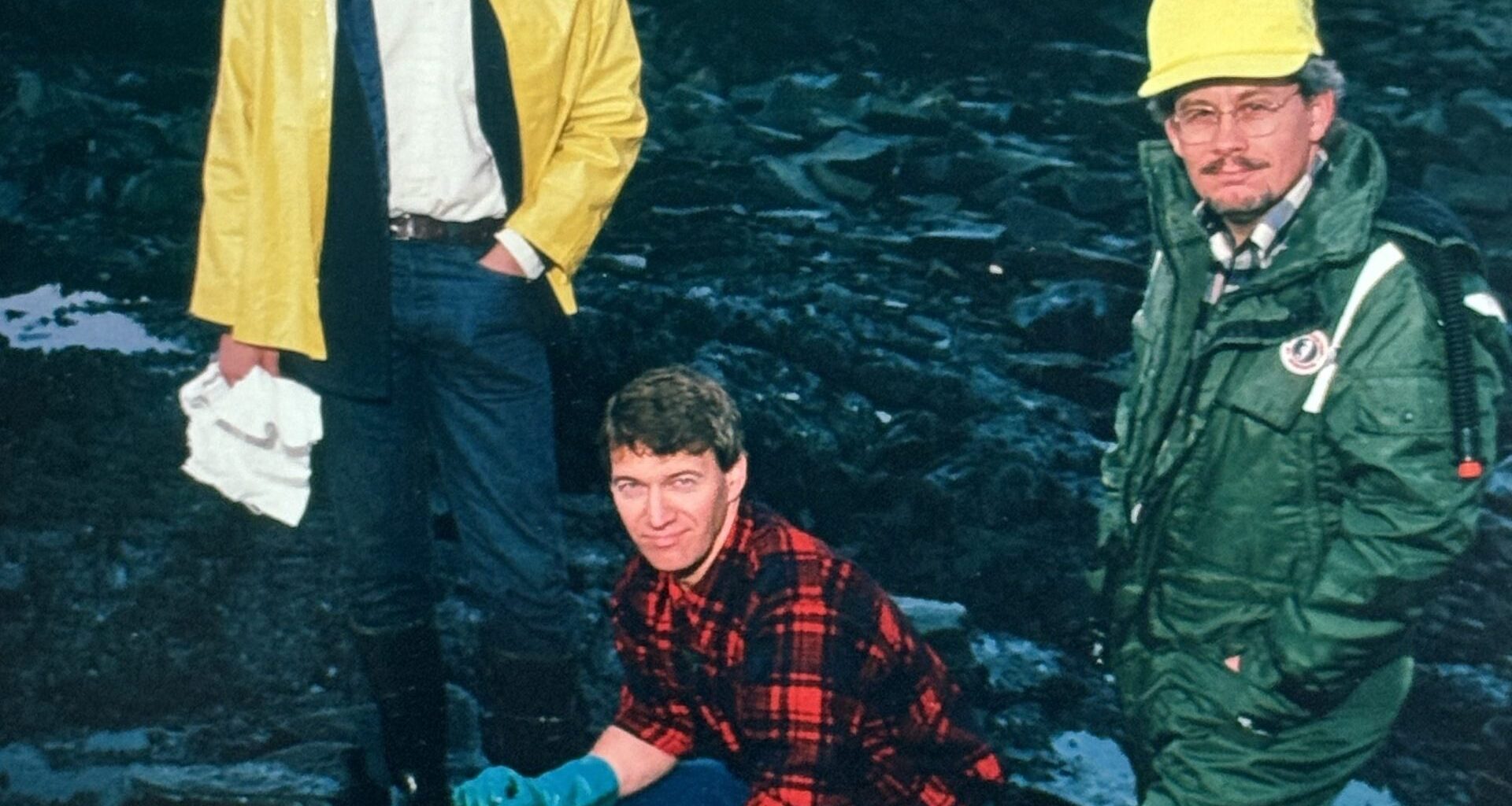
California learned the hard way that oil drilling and healthy oceans don’t mix, writes Dennis Kelso, a former UC Santa Cruz environmental studies professor who served as Alaska commissioner of environmental conservation during the 1989 Exxon Valdez oil spill. The Trump administration’s attempts to reopen offshore waters — including Monterey Bay — to oil and gas leasing must be stopped, he writes. The consequences of drills and spills are devastating and lasting on communities and wildlife. California – particularly Santa Cruz County – helped stop drilling once before with a Blue Wall, and he urges us to do it again. Communities and individuals, he writes, need to speak out before Jan. 23, when the federal comments period ends. He explains what you can do to voice your concerns.
Have something to say? Lookout welcomes letters to the editor, within our policies, from readers. Guidelines here.
California’s coast has been off-limits to new oil and gas drilling since the mid-1980s, but the Trump administration proposes to lease huge areas of California offshore ocean waters for oil and gas drilling, including Monterey Bay.
We have until Jan. 23 to express our opposition.
The Trump administration plan would offer up virtually all California ocean waters from 3 to 200 nautical miles offshore for oil and gas leasing. The proposal also includes 21 lease sales off Alaska and seven in the Gulf of Mexico. Oil and gas exploration and production under the plan would impose substantial risks of harm – not only from major accidental oil spills and smaller discharges but also from “operational” releases of pollutants.
Drilling activities and onshore facilities may disrupt marine ecosystems, local economies and ways of life. Santa Cruz County residents have previously joined with other California communities to build a “Blue Wall” that blocked oil and gas leasing.
Together, we again need to take action to oppose this misguided, dangerous new proposal.
Major oil spills cause tremendous damage to marine ecosystems, shorelines and local communities. Union Oil’s well blowout near Santa Barbara in 1969 discharged an estimated 3 to 4 million gallons of oil that killed thousands of seabirds and marine mammals. The spill triggered California’s moratorium on new oil and gas leases in state-controlled waters (within 3 nautical miles). New federal offshore oil and gas leasing (from 3 to 200 nautical miles) has not occurred since 1984 because of successive congressional and executive moratoria. The current proposal abandons the federal constraints.
My own experience underscores the risks of mixing oil and oceans. The 1989 Exxon Valdez tanker accident discharged 11 million gallons of crude oil into Alaska’s pristine Prince William Sound, damaging shorelines equivalent in length to the entire California coast. Commercial fisheries were closed, tourism was disrupted and coastal ecosystems were slammed. As Alaska commissioner of environmental conservation, I worked with affected communities, commercial fishing and tourism businesses, Alaska Native corporations and other local experts to enforce cleanup standards, assess impacts and require restoration.
The National Oceanic and Atmospheric Administration (NOAA) Damage Assessment, Remediation, and Restoration program determined that the spill had “immense impacts for fish and wildlife and their habitats, as well as for local industries and communities.”
More than two decades after the spill, scientists documented the presence of Exxon Valdez oil – still liquid and toxic to marine life – in sediments of areas hit by the spill. According to NOAA, the oil killed an estimated 250,000 seabirds, 22 killer whales (including the complete disappearance of “pod AT1”), 300 harbor seals, 250 bald eagles, billions of salmon and herring eggs and 2,800 sea otters. More than 25 years after the Exxon Valdezaccident, four wildlife species – killer whales, Kittlitz’s murrelets, marbled murrelets and pigeon guillemots – were still classified as “not recovered” or “unknown.”
In 2010, the Deepwater Horizon well-head blowout in the Gulf of Mexico killed 11 workers and discharged more than 200 million gallons of oil and other hydrocarbons. Habitats were hit hard, not only by oil on the surface and adhering to materials in the water column but also by hydrocarbon contamination of the bottom.
OFFSHORE OIL DRILLING: Read Lookout news and Community Voices opinion coverage here
During the disaster, I led a nonprofit ocean science team partnering with commercial fishing captains, other Gulf Coast businesspeople, Native American tribal leaders, local government officials and diverse community groups to advocate for damage assessment, monitoring and restoration of habitats and marine productivity. Even with those efforts, though, northern Gulf ecosystems and human communities suffered both immediate and long-term harms. NOAA reported “unprecedented impact to the Gulf’s coastal resources and the people who depend on them.”
Independent experts estimated damage to Gulf natural resources at $17.2 billion, and NOAA concluded, “These injuries affected such a broad array of linked resources and ecological services over such a large area that they can best be described as an injury to the entire ecosystem of the northern Gulf of Mexico.”
Major disasters like the Exxon Valdez and the Deepwater Horizon are infrequent, but I have highlighted them to illustrate the types of injury to fish and wildlife, people, and economies that can occur. Significant smaller spills are much more frequent, and the resulting damage can also be substantial and long-lasting for ecosystems and human communities.
Many other impacts would accompany drilling and the onshore facilities needed for offshore oil and gas production in our Monterey Bay backyard, including routine discharges of pollutants during drilling or transport, and disruption of fishing, agriculture and tourism. The new oil and gas leasing proposal matters enormously for our region.
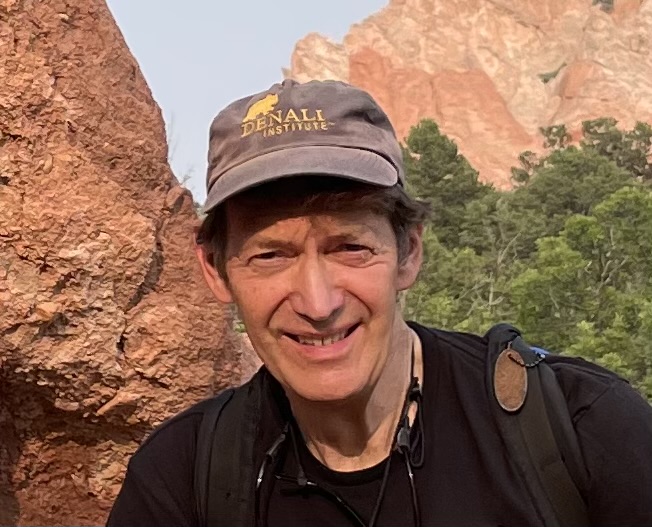 Dennis Kelso. Credit: Dennis Kelso
It is essential that we speak out now.
Comments on the proposed oil and gas leasing plan must be submitted in writing by Jan. 23 – the last day of the Bureau of Ocean Energy Management (BOEM) public comment period. Both online and mail submissions are acceptable, but the agency prefers online comments using the website Regulations.gov (Docket ID: BOEM-2025-0483).
To provide input by mail, please label the envelope “Comments for the 11th National OCS Oil and Gas Leasing Program” and address it to Ms. Kelly Hammerle, Bureau of Ocean Energy Management (VAM-LD), 45600 Woodland Rd., Sterling, Virginia, 20166-9216.
The website of Save Our Shores provides details about the proposed five-year leasing plan, history of the issues and useful links to BOEM materials.
I urge you to take a few minutes to fight for the health of our oceans and way of life. Santa Cruz led the charge once before. It’s time to do it again.
Dennis Kelso joined the UC Santa Cruz faculty teaching environmental studies in 2000 and left in 2004. Before coming to Santa Cruz, Kelso served as commissioner of environmental conservation and deputy commissioner of fish and game for the state of Alaska, where he also served as chair of the state emergency response commission. After moving on from UCSC, Kelso worked as senior counsel for Ocean Conservancy and program officer in ocean conservation philanthropy. He holds a doctorate in energy and resources from UC Berkeley and a law degree from Harvard University.