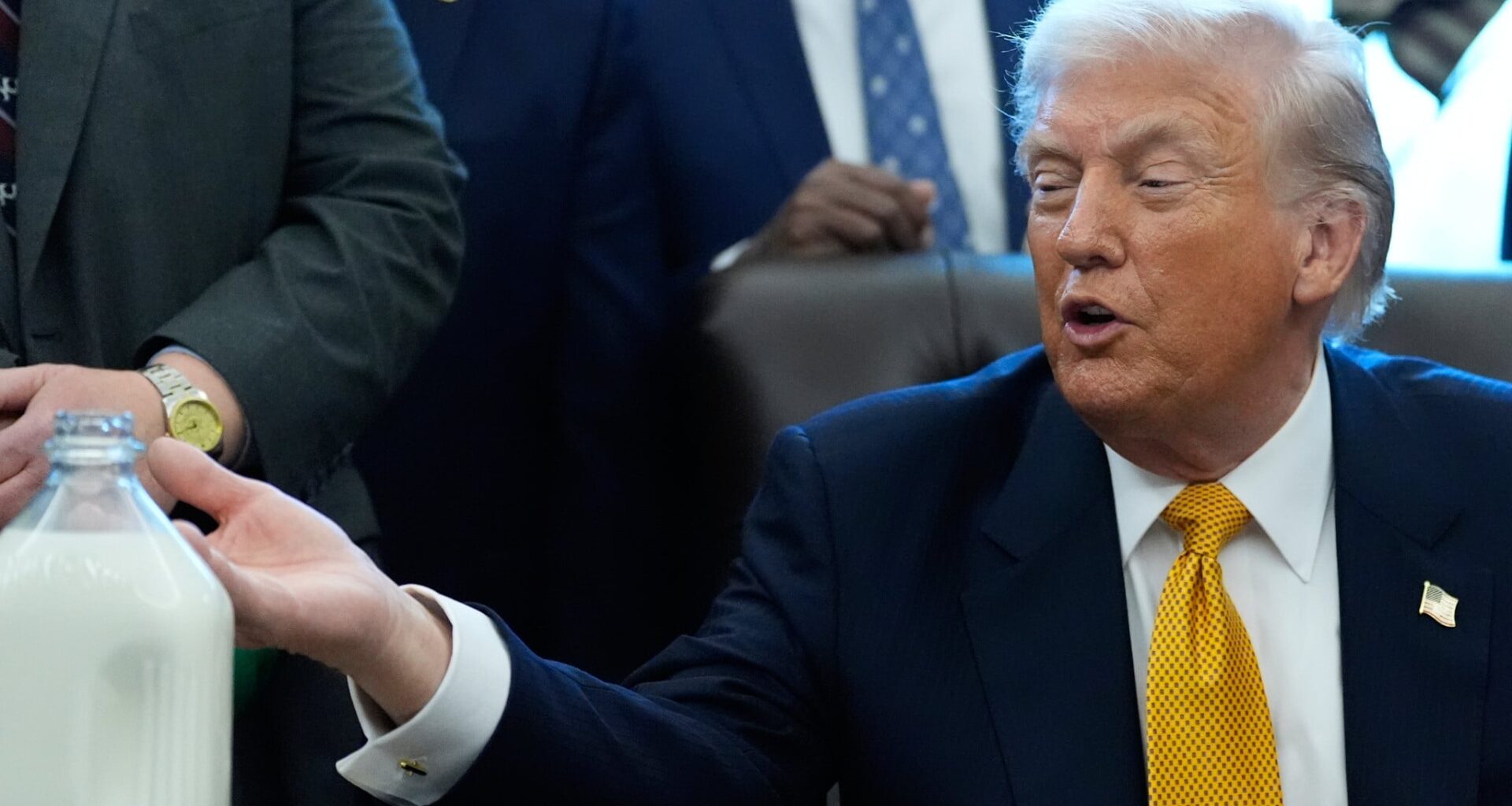
US President Donald Trump reportedly informed Iran that he won’t be ordering a strike on the country over its deadly crackdown on protesters after the leaders of four Arab countries convinced him to hold off.
Trump had threatened to hit Iran in recent days if the regime killed protesters who have been pouring into the streets across the country in demonstrations against the Islamic Republic. Several thousand are reportedly dead as part of the crackdown, but Trump declared Wednesday that he had been told, apparently by Tehran, that the killing in Iran had stopped and that the regime would not be executing any protesters.
Iran’s Ambassador to Pakistan Reza Amiri Moghadam said in remarks during a Thursday visit to a Pakistani ministry that Trump had informed Tehran that he does not want a war and urged the regime to exercise restraint and not target US assets in the region.
The US did, however, offer similarly de-escalatory messaging last June before Trump ordered a major strike on three of Iran’s nuclear sites.
But a senior Saudi official and a second Gulf official indicated that the same strategy is not being applied this time, as Saudi Arabia, Qatar, Oman and Egypt led efforts to talk Trump out of an attack on Iran.
Get The Times of Israel’s Daily Edition
by email and never miss our top stories
By signing up, you agree to the terms
The four countries “led a long, frantic, diplomatic last-minute effort to convince President Trump to give Iran a chance to show good intentions,” the Saudi official said on condition of anonymity.
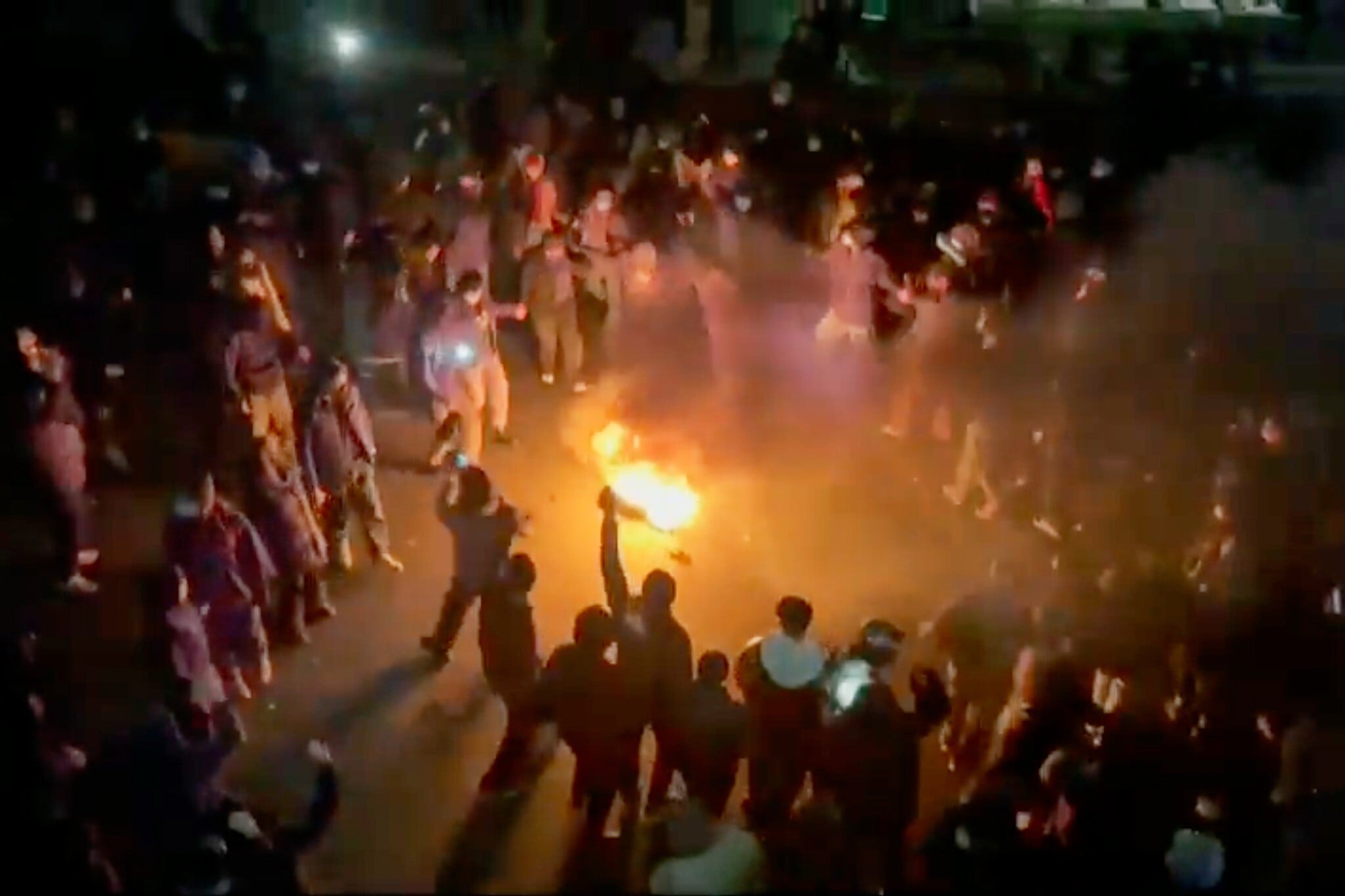
In this frame grab from footage circulating on social media shows protesters dancing and cheering around a bonfire as they take to the streets despite an intensifying crackdown as the Islamic Republic remains cut off from the rest of the world, in Tehran, Iran, January 9, 2026.(UGC via AP)
The US moved some personnel out of the Al Udeid air base in Qatar on Wednesday, and staff at US missions in Saudi Arabia and Kuwait were warned to exercise caution as fears mounted of a US attack over Iran’s crackdown on protesters.
But by Thursday, the security warning level at the base in Qatar was lowered back down, three sources briefed on the situation told Reuters. US aircraft that were moved out of Al Udeid are gradually returning to the base, one of the sources added.
Iran launched missiles at Al Udeid last year in response to US airstrikes on its nuclear installations during the 12-day war between Tehran and Israel.
The Gulf efforts aimed to “avoid an uncontrollable situation in the region,” the Saudi official said.
“We told Washington that an attack on Iran would open the way for a series of grave blowbacks in the region,” the official added.
“It was a sleepless night to defuse more bombs in the region… the communication is still underway to consolidate the gained trust and the current good spirit.”
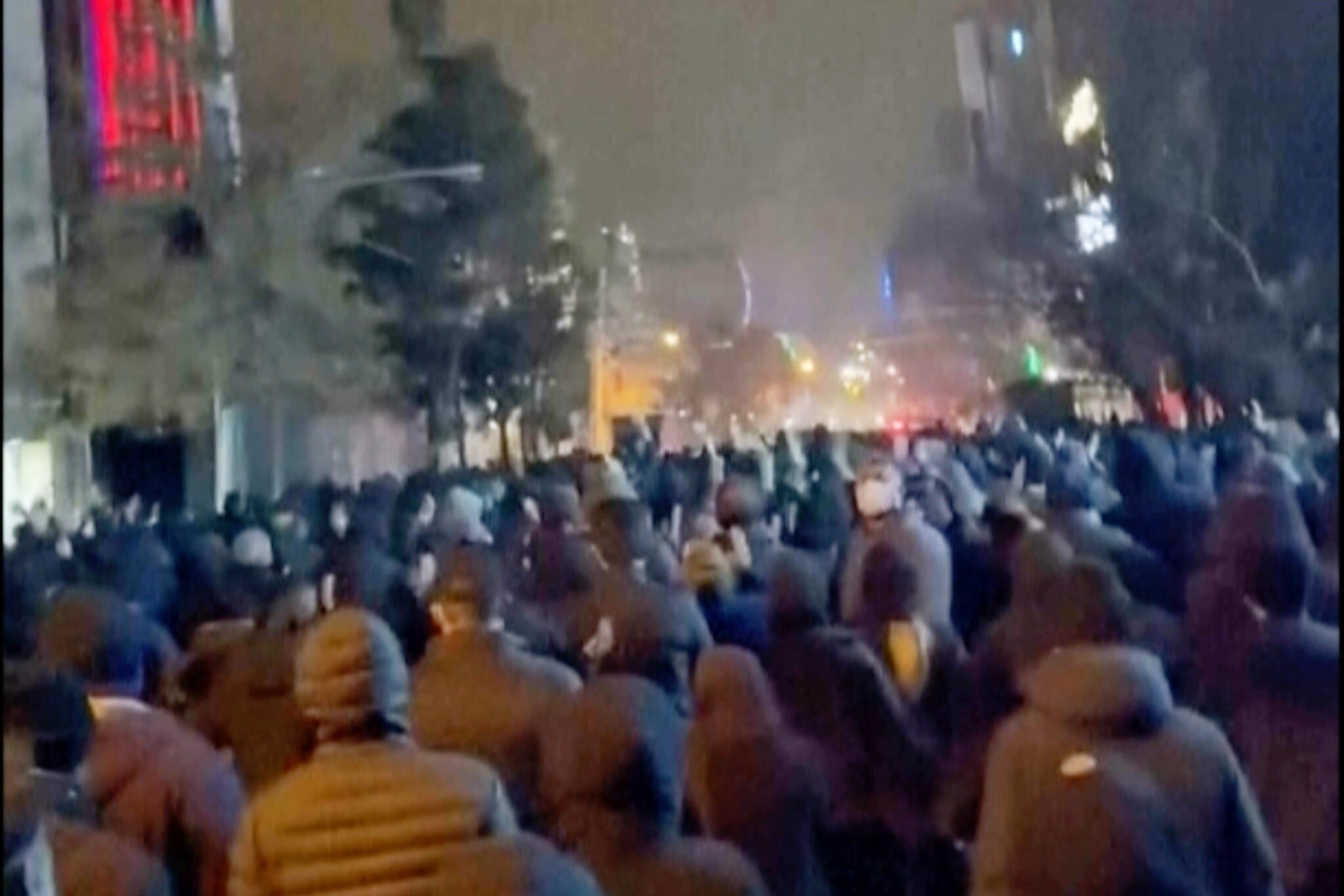
In this frame grab from footage circulating on social media from Iran showed protesters once again taking to the streets of Tehran despite an intensifying crackdown as the Islamic Republic remains cut off from the rest of the world in Tehran, Iran, January 10, 2026. (UGC via AP)
The second Gulf official said, “The message conveyed to Iran has been that an attack on US facilities in the Gulf would have consequences on relations with countries in the region.”
The four Arab countries had conveyed to Washington that any attack would have consequences for the wider region in terms of both security and economics that would ultimately impact the United States itself, another Gulf official said.
The countries told Iran that any retaliatory attack it launched on US facilities in the Gulf would have consequences for Tehran’s relations with other countries in the region, the second Gulf official added.
Saudi Arabia’s international media office, Qatar’s Foreign Ministry, Oman’s Information Ministry and Egypt’s Foreign Ministry spokesperson did not immediately respond to requests for comment.
The Foreign Ministry of the United Arab Emirates, which was not involved in the diplomacy described by the official, did not immediately respond to a request for comment on whether it had engaged in any diplomacy on the issue.
The Wall Street Journal reported this week that Saudi Arabia, Qatar and Oman had lobbied Washington against an attack.
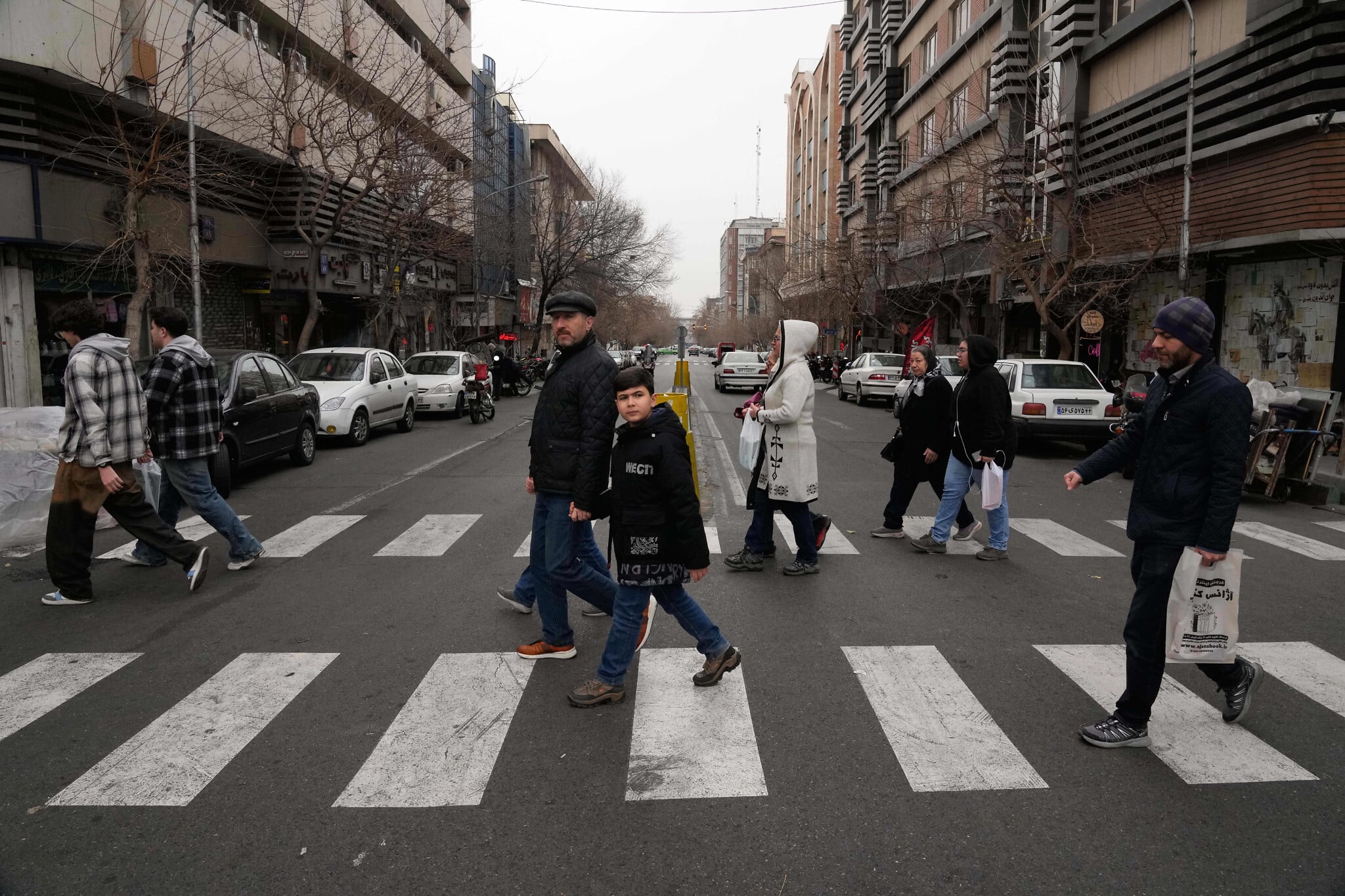
People cross an intersection in downtown Tehran, Iran, Thursday, Jan. 15, 2026. (AP Photo/Vahid Salemi)
The Gulf official said that the diplomatic efforts had focused on toning down the rhetoric and avoiding any military action that could spark wider regional instability and that this diplomacy could ultimately lead to talks on the dispute over Iran’s nuclear program.
While Oman and Qatar had mediated in disputes between Iran and the West, US allies Saudi Arabia and Egypt have had far more fraught relations with the revolutionary Shi’ite Muslim power.
However, after decades of Iranian-Saudi rivalry that fueled conflict and political disputes across the region, the two countries agreed on a detente in 2023, with Riyadh keen to focus on its economic priorities.
Gulf states are fearful that US military facilities in their countries could be caught in any Iranian retaliation to US attacks, and that the energy facilities underpinning the regional economy could also end up being targeted.
Saudi Arabia and Qatar have enjoyed strong relationships with the Trump administration. Qatar and Egypt were both closely involved with the US in mediation over the war between Israel and Hamas in Gaza.
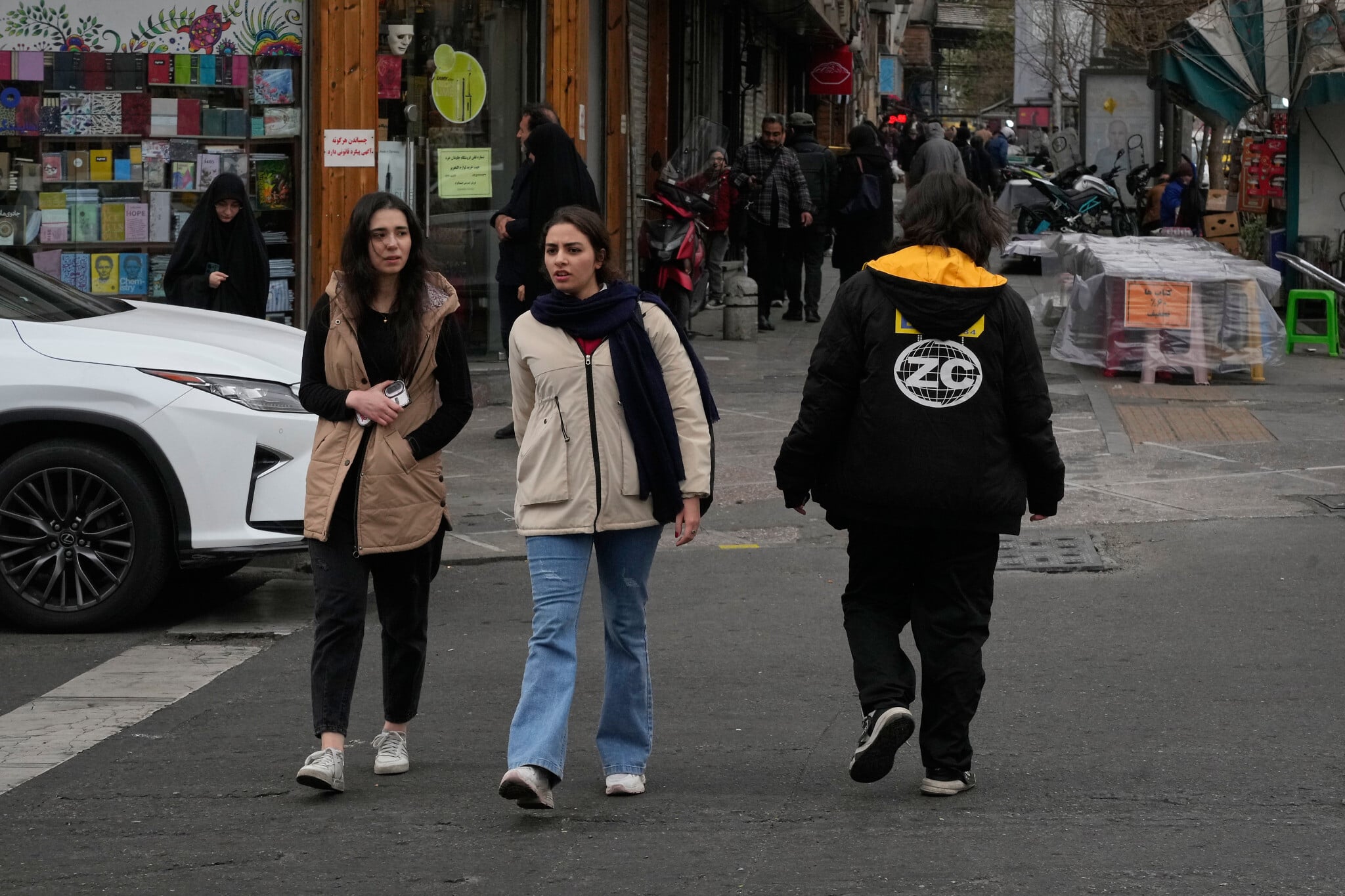
People cross an intersection in downtown Tehran, Iran, Thursday, Jan. 15, 2026. (AP Photo/Vahid Salemi)
US slaps sanctions on Iranian security officials over protest crackdown
Despite the apparent de-escalatory approach by the US, the Trump administration announced Thursday that it had imposed sanctions on Iranian security officials and financial networks, accusing them of orchestrating a violent crackdown on peaceful protests and laundering billions in oil revenues.
US Treasury Secretary Scott Bessent announced the measures in the wake of the biggest anti-government protests in the history of the Islamic Republic, although the demonstrations appear to have diminished over the last few days in the face of repression and an almost week-long internet blackout.
“The United States stands firmly behind the Iranian people in their call for freedom and justice,” Bessent said in a statement, adding that the action was taken at President Donald Trump’s direction.
Among those sanctioned is Ali Larijani, secretary of Iran’s Supreme Council for National Security, whom Washington accused of coordinating the crackdown and calling for force against protesters.
Four regional commanders of Iran’s Law Enforcement Forces and Revolutionary Guard were also sanctioned for their roles in the crackdown in Lorestan and Fars provinces.
Security forces in Fars “have killed countless peaceful demonstrators” with hospitals “so inundated with gunshot wound patients that no other types of patients can be admitted,” the Treasury said.
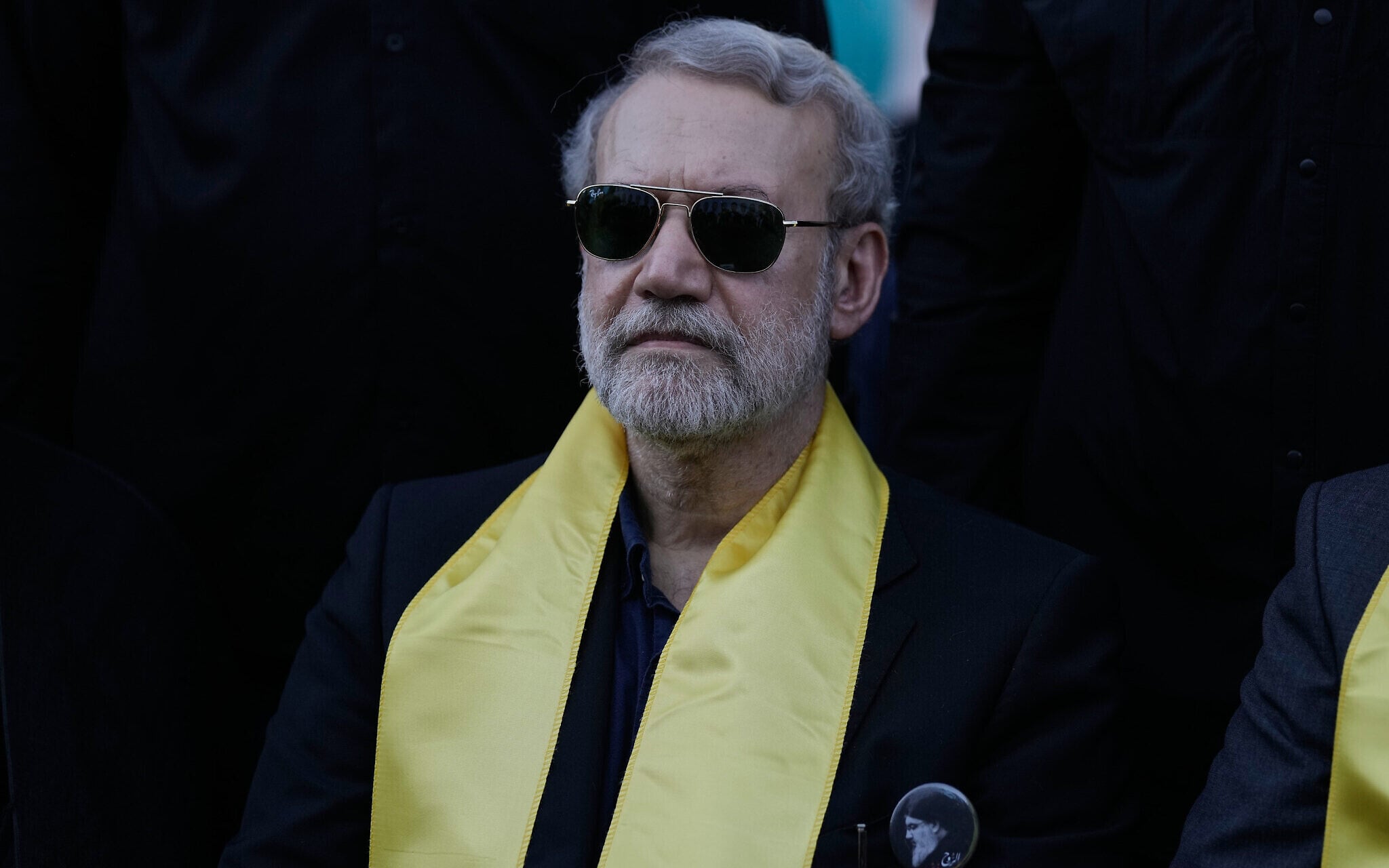
Ali Larijani, secretary of Iran’s Supreme National Security Council, attends a ceremony at Hezbollah leader Hassan Nasrallah’s grave in Beirut, Lebanon, Saturday, Sept. 27, 2025, marking the first anniversary of Nasrallah’s assassination in Israeli airstrikes. (AP Photo/Bilal Hussein)
The Treasury additionally designated 18 individuals and entities accused of operating “shadow banking” networks that launder proceeds from Iranian oil sales through front companies in the UAE, Singapore and Britain.
These networks funnel billions of dollars annually using cover companies and exchange houses, as Iranian citizens face economic hardship, according to the Treasury.
The sanctions freeze any US assets of those designated and prohibit Americans from doing business with them. Foreign financial institutions risk secondary sanctions for transactions with the designated entities.
The action builds on the Trump administration’s “maximum pressure” campaign against Iran. In 2025, the Treasury sanctioned more than 875 persons, vessels and aircraft as part of this effort, it said.