From reproductive rights to climate change to Big Tech, The Independent is on the ground when the story is developing. Whether it’s investigating the financials of Elon Musk’s pro-Trump PAC or producing our latest documentary, ‘The A Word’, which shines a light on the American women fighting for reproductive rights, we know how important it is to parse out the facts from the messaging.
At such a critical moment in US history, we need reporters on the ground. Your donation allows us to keep sending journalists to speak to both sides of the story.
The Independent is trusted by Americans across the entire political spectrum. And unlike many other quality news outlets, we choose not to lock Americans out of our reporting and analysis with paywalls. We believe quality journalism should be available to everyone, paid for by those who can afford it.
Your support makes all the difference.
Read more
President Trump’s signature “Liberation Day” tariffs, which he introduced in April, were supposed to bring about a renaissance an American manufacturing. Just the opposite has happened, according to data, and manufacturing jobs have declined every month since.
Manufacturers shed about 8,000 jobs last month, according to the Labor Department. That capped off a year in which the sector lost between about 68,000 and 72,000 positions.
“2025 should have been a good year for manufacturing employment, and that didn’t happen,” economist Michael Hicks, director of the Center for Business and Economic Research at Ball State in Muncie, Indiana, told The Washington Post. “I think you really have to indict tariffs for that.”
Things could get even worse in 2026, as manufacturers struggle with extra inventory they ordered to beat the tariffs and changing consumer spending patterns in the post-pandemic era, as purchasers look to in-person experiences and services over the durable goods they bought during the Covid lockdown.
“The manufacturing job losses that we see now are really just the beginning of what will be a pretty grim couple of quarters as manufacturing adjusts to a new lower level of demand,” Hicks added.
open image in gallery
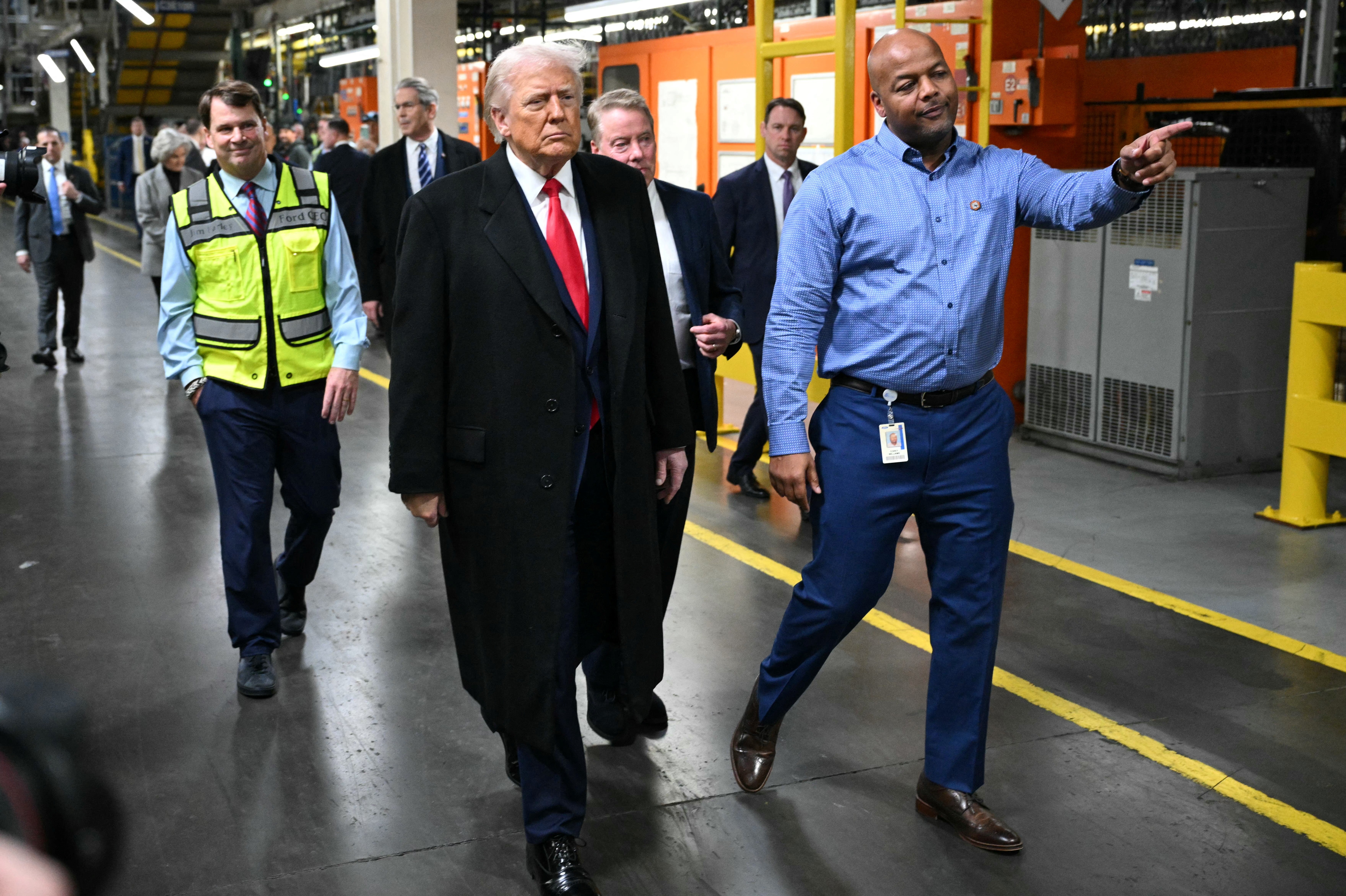
President Trump’s ‘Liberation Day’ tariffs have failed to revive job growth in U.S. manufacturing so far, though the administration points to growing factory investment as a positive sign (AFP/Getty)
The sector has struggled with longer-term uncertainty over the tariff rates, which the administration has introduced, rolled back, and modified throughout the year. The Supreme Court is also considering a case that could strike down the emergency measures for good.
That’s left businesses unsure about their input costs, especially given that about half of U.S. imports are “intermediate goods” American companies then incorporate into their final products.
Even in high-priority areas for the White House like tech, the tariffs appear to be making an impact. Semiconductor manufacturers have shed more than 13,000 jobs since April.
Fifty-seven percent of mid-sized manufacturers said they had no certainty about their input costs, according to a November survey by the Federal Reserve Bank of Richmond. Smaller companies were even more likely to delay investments in facilities and equipment in response to the tariffs, the research found.
“Every time I hear that manufacturing is booming, I scream at the TV,” J.B. Brown, CEO of BCI Solutions Inc., a metal foundry in Bremen, Indiana, told Reuters.
open image in gallery
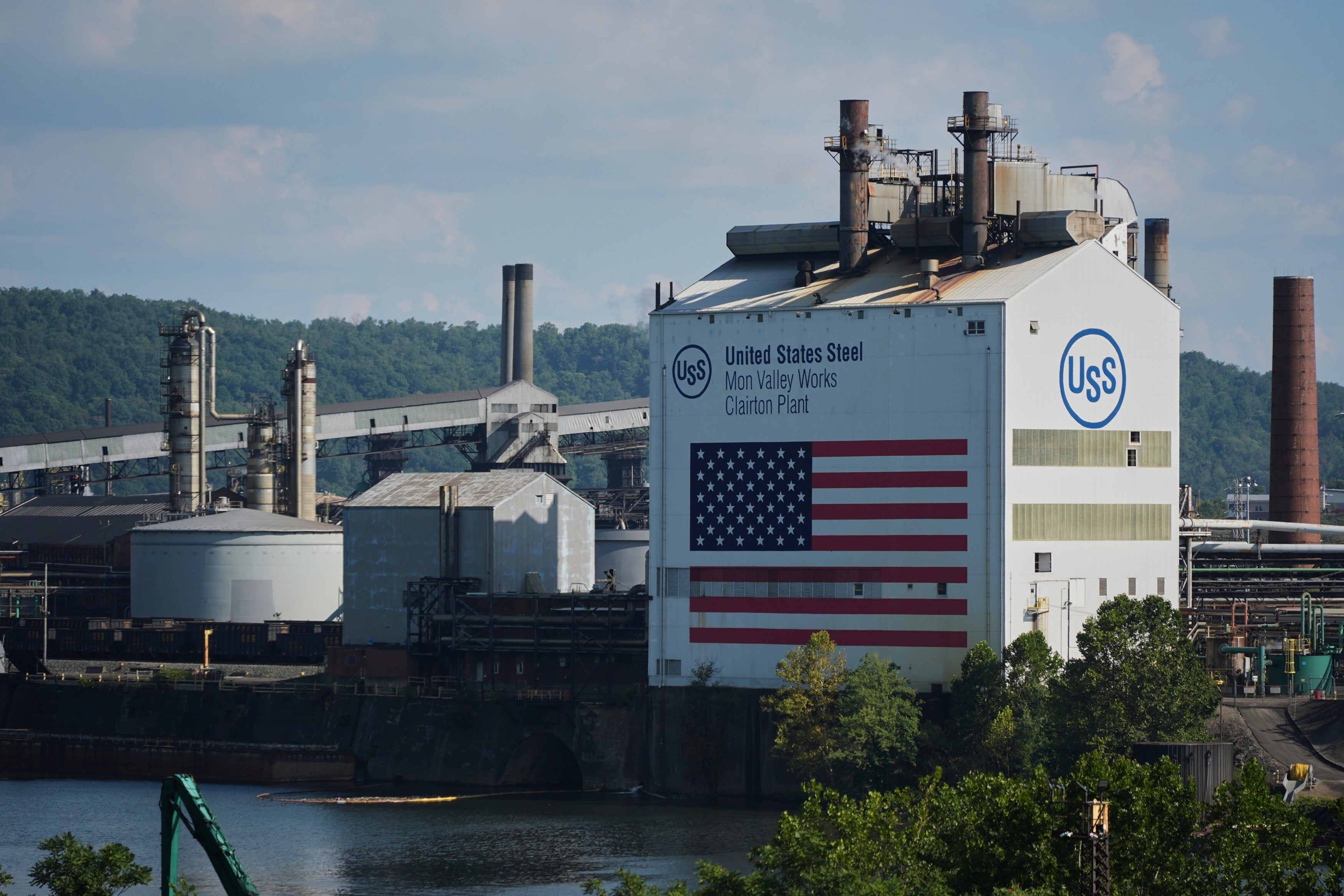
U.S. manufacturers have struggled with fluctuating tariff rates and long-term uncertainty over input costs (Copyright 2025 The Associated Press. All rights reserved.)
His workforce is half as small as it was two years ago, with the fewest employees it has had since at least 1993.
Despite these signals, the Trump administration insists the economy is on strong footing.
During an economics-focused speech this week in Michigan, the president said the U.S. was experiencing “the strongest and fastest economic turnaround in our country’s history.”
The administration has also pointed to figures like a surprisingly strong third-quarter GDP growth, modestly declining unemployment, and an increase in factory construction spending, which the White House credits to provisions in the One Big Beautiful Act using write-offs to incentivize new investments and research and development.
Overall, in 2025, the U.S. labor market added about 584,000 jobs, the slowest pace of job growth since 2020, and about a quarter of the job figure growth seen in 2024, President Biden’s last year in office.