Published on
January 16, 2026
By: Tuhin Sarkar

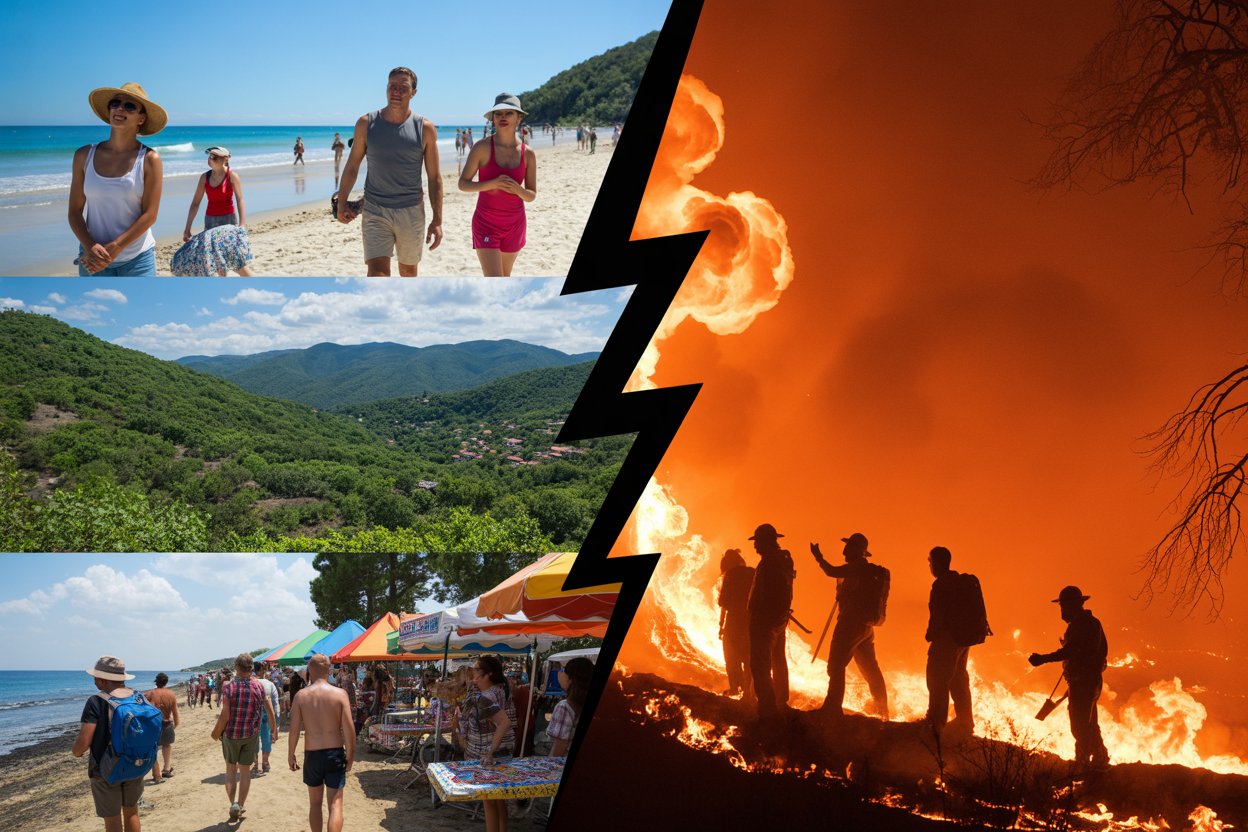
In a record-breaking tourism boom, the Dominican Republic, US, Austria, Hungary, Slovakia, Jamaica, and the Bahamas are seeing an unprecedented surge in travel, with these destinations marking extraordinary growth. As global travelers flock to these destinations, the region is also grappling with a wildfire catastrophe, which has put a spotlight on the urgent need for resilience and recovery efforts. Amid this surge in tourism, several countries have announced crucial updates, including the introduction of the Visa Waiver Program, designed to streamline travel and boost regional connectivity.
The Dominican Republic, along with the US and other nations, is experiencing the effects of a regional travel surge, benefiting from the growing demand for unforgettable vacations and business opportunities. However, alongside this remarkable growth, the ongoing wildfire crisis in certain areas is causing concern for both locals and travelers. As nations like Austria, Hungary, and Slovakia take proactive steps to manage these challenges, the Jamaica and Bahamas tourism sectors are thriving with record-breaking arrivals.
Stay tuned to explore how these events are shaping the future of travel, with exciting developments and critical updates for the industry.
The global travel landscape is currently a study in contrasts, ranging from record-breaking tourism booms in the Caribbean to severe geopolitical disruptions in the Middle East and environmental challenges in the United States. While some regions are witnessing a “golden era” of visitor spending and infrastructure investment, others grapple with stock market volatility and the devastating impact of wildfires.
Europe and North America: A Tale of Resilience and New Barriers
The United States, UK, and Central Europe are currently “stealing the show” with a mix of innovative tourism attractions and significant operational hurdles. While cities like Manchester join the global elite, Central Europe—including Austria, Hungary, and Slovakia—is battling an “ice apocalypse” that has paralyzed rail and road networks. Simultaneously, new US Visa Barriers are impacting travelers from the UK, France, and Germany, complicating the previously seamless Visa Waiver Program. Despite these friction points, sustainable tourism initiatives in Germany and the Czech Republic are setting new benchmarks for the industry, ensuring that the European market remains a dominant force in global travel trends.
The Caribbean’s Unstoppable Rise: Curaçao and Beyond
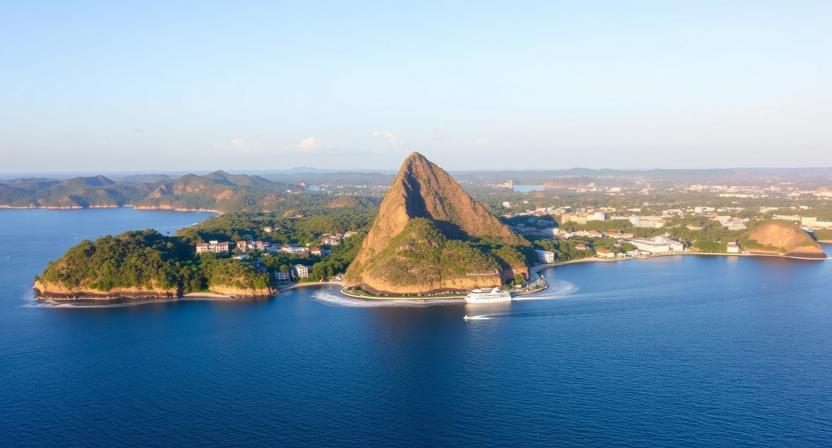
In a stunning display of growth, Curaçao has emerged as a powerhouse, joining the Dominican Republic, Jamaica, and the Bahamas in a record-breaking tourism surge. In 2025, Curaçao welcomed over 788,000 stayover visitors—a 13% increase—fueled largely by the Netherlands, US, and Colombia markets. The Dominican Republic remains the “undisputed king” with nearly 11.6 million visitors, while Jamaica’s tourism revolution has generated an astonishing $4.6 billion in earnings. This regional boom is supported by strategic marketing and increased airlift, proving that the Caribbean is the premier choice for international sun-seekers, even as other global markets face instability.
US State Investments: Reimagining the Travel Sector
States like Colorado, Louisiana, Texas, Utah, and California are aggressively transforming their tourism sectors through multi-million dollar investments. Colorado has committed $2.5 million to revolutionize recreation at Pikes Peak, focusing on the “Ring the Peak” trail and sustainable stewardship. Utah’s Outdoor Recreation Overhaul aims to make it the top US outdoor destination by 2025, while Louisiana is leveraging $2.5 million to boost its cultural and heritage tourism appeal. These proactive financial injections are designed to balance the surging popularity of natural landmarks with environmental protection, ensuring long-term economic benefits and future-ready destinations for domestic and international travelers.
The Wildfire Crisis: A Catastrophe for US National Parks
While investment flows, the “new pandemic” of wildfires is ravaging tourism in California, Utah, and Colorado. Iconic locations like Yosemite (Mariposa County) and Zion National Park are facing staggering revenue losses—over $50 million and $28 million respectively—due to smoke and park closures. Los Angeles County is currently battling new blazes in the Santa Monica Mountains, threatening a $120 million tourism economy. The increasing frequency of these fires is altering visitor behavior, as tourists cancel trips to avoid hazardous air quality. This environmental crisis is pushing rural, tourism-dependent counties to the brink, making recovery a long and uncertain journey.
 Emirates Transforms Its Airbus A380 With EyePopping Grand Slam Livery Celebrating Tennis
US Travel Stocks in Meltdown Amid Tourism Slump
The financial pillars of the industry are shaking as Airbnb, Delta Air Lines, Expedia, and Booking Holdings experience a sudden stock market meltdown. A 14% drop in international arrivals to the US has triggered a crisis of confidence. Delta Air Lines reported a $200 million profit loss, while Airbnb and Expedia saw shares tumble by 5% as international bookings evaporated. Skyrocketing flight costs and visa processing bottlenecks are cited as primary culprits. This downturn suggests that even industry giants are not immune to the cooling demand for American tourism, signaling a rocky road ahead for travel-linked investments in 2026.
Regional Economic Surges: Charlotte and the US South
Despite the stock market jitters, specific urban hubs like Charlotte are seeing an unprecedented economic boom. The Charlotte region has generated $6.4 billion in visitor spending, representing an 8.9% jump in revenue. This mirrors a broader “golden era” for the Northeast and Midwest, where cultural landmarks in New York and sporting events in Chicago continue to draw massive crowds. The South remains the heart of leisure tourism, led by Florida’s theme parks, which generate billions. These regional pockets of success highlight the transformative power of event-driven tourism and the resilience of domestic travel spending across the country.

Middle East Tourism: The Shadow of Conflict
The most severe threat to global travel currently looms over the Middle East, where a “war-like situation” has cast a dark cloud over tourism in Iran, Israel, UAE, and Qatar. In Israel, tourist arrivals have plummeted by 80%, while Gaza’s cultural heritage has faced heartbreaking destruction. This volatility has forced Airlines like Flydubai, Lufthansa, and Turkish Airlines to cancel dozens of routes and reroute flights to avoid high-risk airspace. The resulting operational costs and passenger anxiety are pushing the regional aviation sector to its limits, leaving the future of what was once a global travel hub hanging in the balance.
