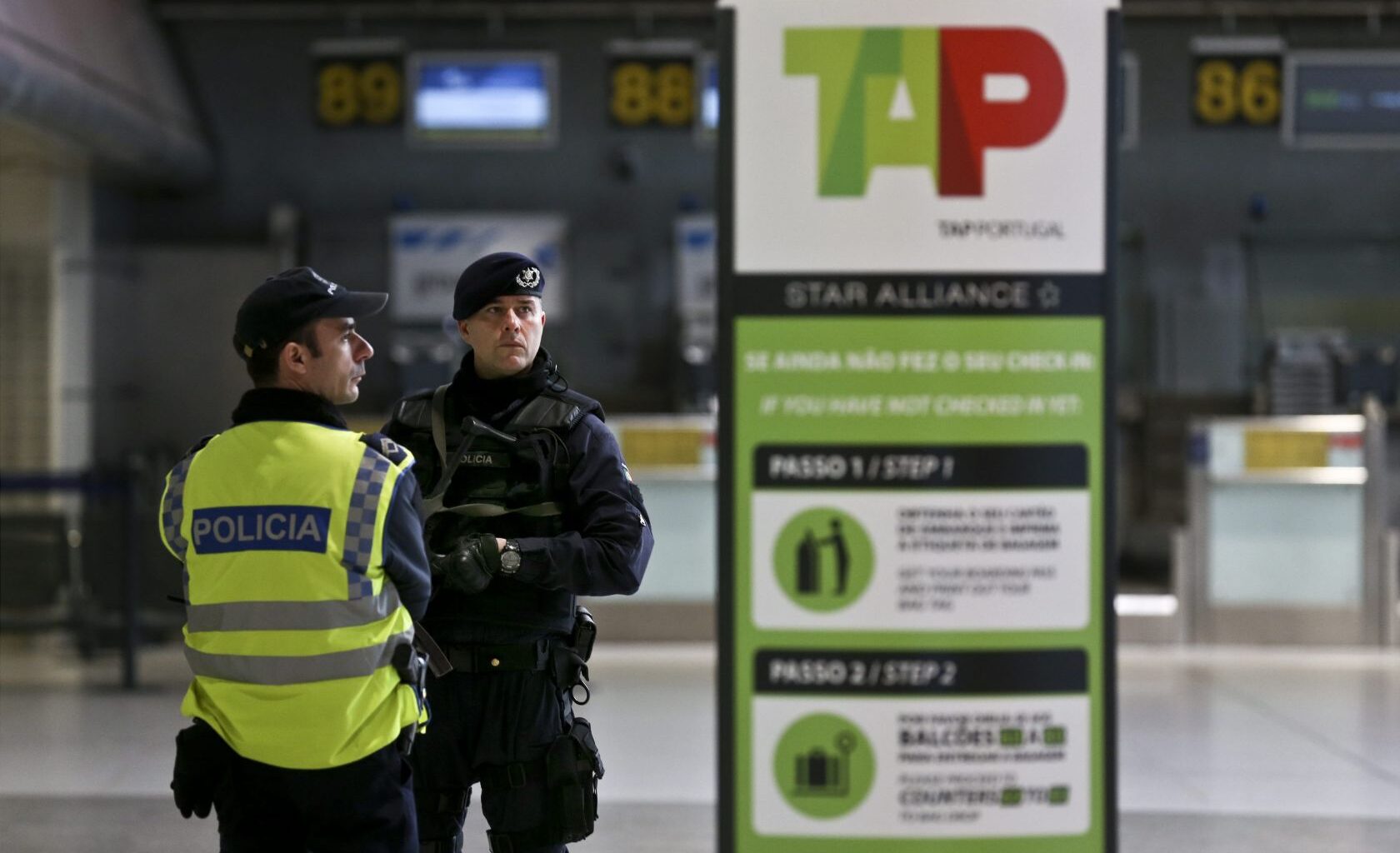
The Public Security Police (PSP) detained three suspects at Humberto Delgado Airport in Lisbon between the 9 and 12 of January. Two out of the three individuals were wanted internationally.
Operations conducted up to the airport were under the responsibility of the National Foreigners and Borders Unit (UNEF), through the Airport Security and Border Control Division.
PSP announced on 12 January that it had arrested an individual subject to an international arrest warrant, following an alert issued through international police cooperation mechanisms. The arrests were carried out during the enforcement actions and air Border Control.
According to the information stated in the previously mentioned alert, the detained citizen is indicted for the serious crimes of a sexual nature that had taken place between 2007 and 2008, involving a critically vulnerable victim. The suspect is now in the custody of the judicial authorities, awaiting further procedural steps.
The day before, on 11 January, police arrested a 20-year-old male on suspicion of forgery. The suspects were detained while trying to board a plane after presenting a forged passport. Law enforcement intervened after verifying the presented document and observing the passenger’s behaviour.
Following confirmation that the document shown before boarding was fraudulent, the young male was escorted to the airport police facilities, where he was temporarily detained. This situation was also communicated to the judicial authorities.
On 9 January, in compliance with the European Arrest Warrant that had been published by the judicial authorities of an EU Member State. This Warrant meant that the suspect would be sentenced to three years and six months in prison, related to drug trafficking.
Following the procedural steps, the detained male was temporarily retained at the Comando Metropolitano de Lisboa (COMETLIS) and presented to the judicial authorities the next day.
The PSP reaffirms in a statement “its commitment to air border control, civil aviation infrastructure security, and international and European judicial cooperation.”