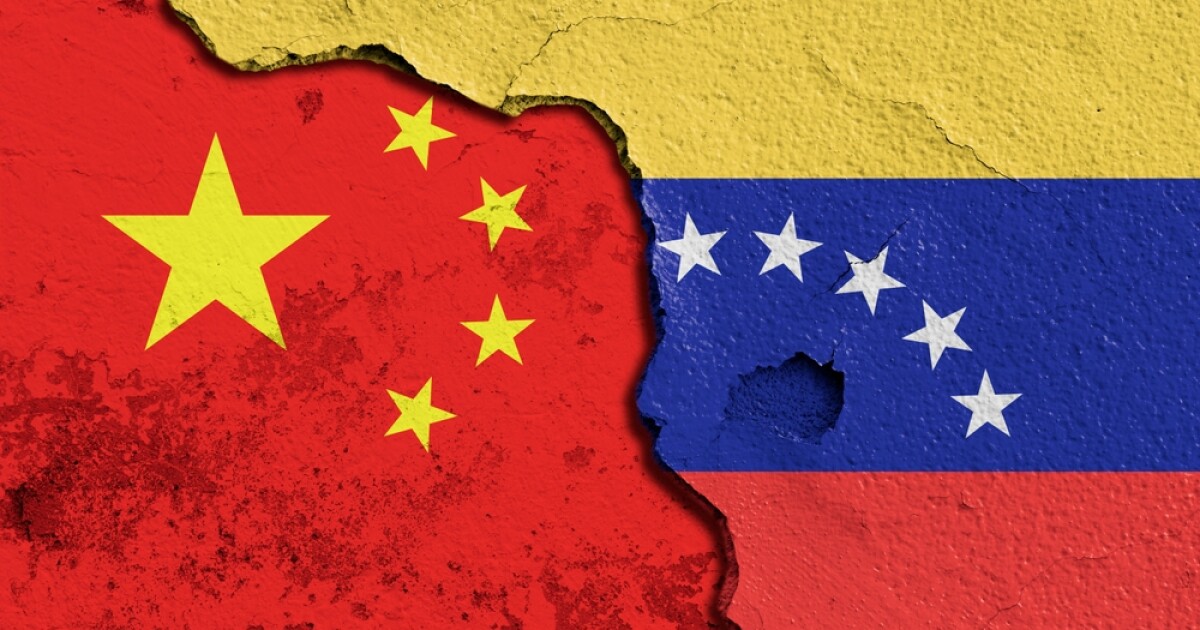
China has been the largest single of buyer of Venezuelan crude since 2019. It’s a relationship that dates back well before US sanctions forced most Venezuelan crude exports into the shadow market; indeed, heavy, sour Merey has long been a part of the crude slate for some Chinese refiners, particularly for the small independents, sometimes called “teapots.” For Chinese buyers, which are geographically isolated from the South American country, it has primarily been about the price — discounted Venezuelan barrels have helped sustain China’s teapots despite their declining run rates in recent years. Now, even though Venezuelan crude could reemerge on the regulated market with the US assuming control of the Opec member’s oil sector, appetite for these barrels in China could fade away if prices rise. Officially, China does not import sanctioned crude from Venezuela. Cargoes tracked by the likes of analytics firms Kpler and Vortexa from US-sanctioned countries like Venezuela and Iran typically pass through third countries or are transferred between ships in international waters before ending up on China’s shores. Beijing says it does not recognize unilateral sanctions, but its national oil companies (NOCs) and four large private refiners still tend to avoid restricted cargoes given their exposure to international financing systems and US threats of “secondary tariffs” on buyers of sanctioned products. Teapots, which emerged in the 1970s and used to run on straight-run fuel oil, became early buyers of Merey crude in the late 2000s from state refiner PetroChina. Its parent company, China National Petroleum Corp., received the volumes at a discounted price under oil-backed loans used to finance Chinese investments in Venezuela. But PetroChina refineries struggled to process the grade. Today, teapots are the primary buyers of Venezuelan crude, importing around 395,000 barrels per day last year, per Kpler, accounting for about 4% of China’s total crude imports. Asphalt producers also buy a fair amount of heavy, sour Merey, under the guise of “bitumen mix” or “diluted bitumen.”