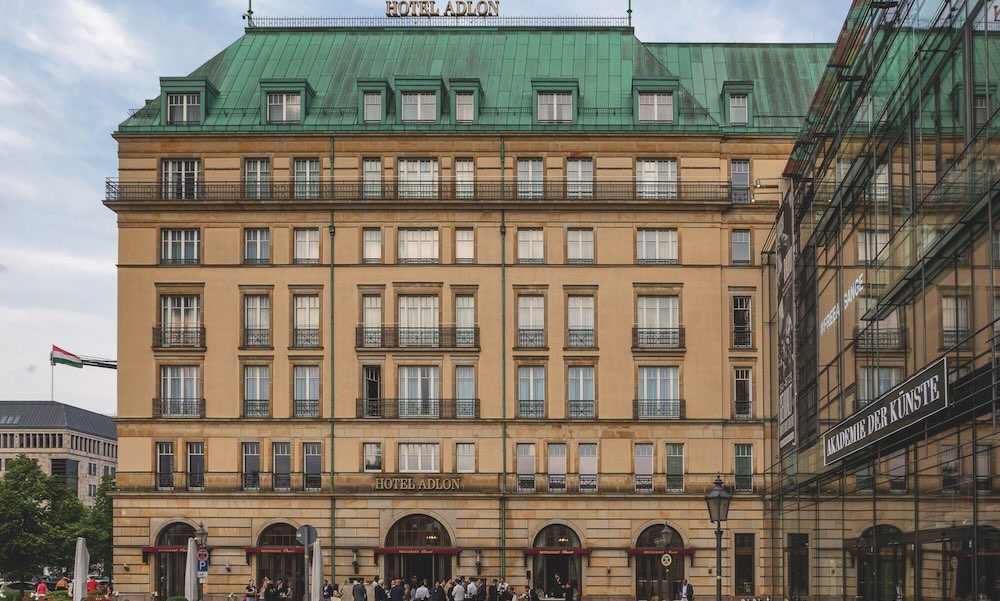
In a chandelier-lit ballroom at Berlin’s Hotel Adlon Kempinski, a quiet revolution is unfolding. Dozens of investors lean in as founders from Zurich, Barcelona, Lisbon and Warsaw pitch a room full of international cannabis investors and the CEOs of the EU’s next cannabis giants. This is a Talman House event, and it’s where European cannabis capital finds its match.
After years of uneven reform, Europe’s cannabis market is finally entering its investment era. As North America wrestles with oversupply and political fatigue, European operators are drawing global attention to their pharmaceutical precision, export potential and growing regulatory stability.
From Albania to Spain and everywhere in between, governments are expanding medical cannabis access and homegrow rights in various forms. In Germany, the new conservative CDU government is cautious on cannabis, but indications suggest they’ll still advance adult-use legalization. Personal possession of up to 25 grams is allowed in public in Germany. Meanwhile, medical supply chains are growing across Western and Eastern Europe through controlled licensing and pilot programs.
Europe remains a frontier defined by both opportunity and red tape. Many deals favor convertible debt or structured instruments over pure equity. Despite the cautiousness, institutional interest is rising. Germany’s Demecan, for example, recently hit a €100 million valuation backed partly by US investors. Last September, Canada’s High Tide purchased a 51 percent interest in cannabis pharma operator Remexian AG with an option to pick up the other 49 percent. Europe’s cannabis infrastructure is maturing and investors are watching closely.
With most national markets still small in scale, the long-term play centers on trading internationally. Companies are positioning themselves to supply EU GMP-certified cannabis and cannabinoid-based pharmaceuticals across the region. While the legal framework is evolving, transparent governance and robust due diligence are non-negotiable for investors. Recent scandals like the collapse of the JuicyFields Ponzi scheme have left many wary.
Among the new generation of European investment platforms, The Talman Group stands out as a credible, selective, membership-based network connecting cannabis and cannabis-adjacent companies with global investors. Its model blends exclusive events in prestigious venues with curated deal sourcing and introductions to sophisticated investors who want compliant and investable opportunities.
In April 2025, Talman hosted more than 140 participants at the Adlon Kempinski in Berlin, where a handful of highly curated companies pitched to investors in a Shark Tank-style setting. As the investment arm of Europe’s largest B2B conference and expo, International Cannabis Business Conference (ICBC), Talman lends a layer of legitimacy to an industry still working to shake its early growing pains in the adolescence of Europe’s cannabis industry.
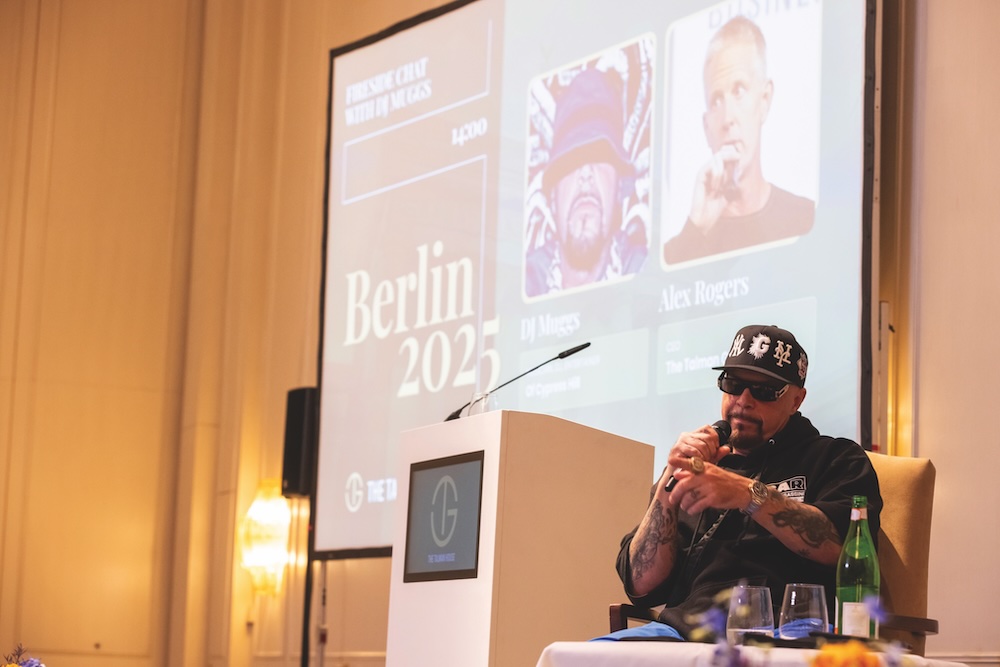 return on investment: Last April’s Talman House event presented cannabis rockstar DJ Muggs, whose investment portfolio is as impressive as his 35-year music career.
Talman serves as a figurative mentor guiding Europe’s cannabis industry toward maturity. Its role extends beyond matchmaking. The platform provides a buffer of due diligence by screening decks, tracking market intelligence and connecting founders to legal, financial and strategic advisors. Creating the conditions for credible, sustainable industry growth, Talman’s curated network brings much-needed capital into reach for operators bridging a capital desert.
And the opportunity is real in these undercapitalized European markets. Early entrants can enjoy “first mover” status, and if they utilize the head start efficiently, can parlay that into market leadership and delight their investors. Additionally, success in one jurisdiction often opens doors across the EU’s emerging regulatory patchwork. The evolution of policies in Germany, the Netherlands and the United Kingdom could provide compliant, scaled operators with significant upside.
All that said, uncertainty due to evolving regulations continues. Pilot programs have faced repeated delays in the Netherlands and Switzerland. Shallow public markets limit exits, and scandals and bankruptcies remind investors that gaps in oversight can be costly.
Big conglomerates such as British American Tobacco and Tilray entering the space raise the bar for smaller firms as well. Investors have witnessed how market exuberance can outpace fundamentals, but greed is a powerful blinder. Valuation discipline will be essential.
Europe’s cannabis story is unfolding in distinct phases. There are policy harmonization efforts across EU member states, with standardized licensing and quality controls being considered. Simultaneously, cross-border consolidation through multi-country acquisitions and partnerships is already underway. Expect consolidation to pick up speed in 2026 as more North American companies consider Europe’s potential. As the cycle matures, institutional investors will participate by having pension and health funds make cautious allocations. That typically triggers financial innovation (e.g. REITs and special-purpose investment vehicles). Lastly, as compliance standards mature, de-risking through transparency becomes the norm.
Europe’s cannabis investment story isn’t about chasing another green rush. It’s about building the infrastructure that makes the rush possible. Platforms like the Talman Group are helping investors see Europe not as 27 fragmented markets, but as one evolving opportunity. For those willing to navigate complexity, the reward may be as lasting as the reform itself.
This story was originally published in issue 52 of the print edition of Cannabis Now.