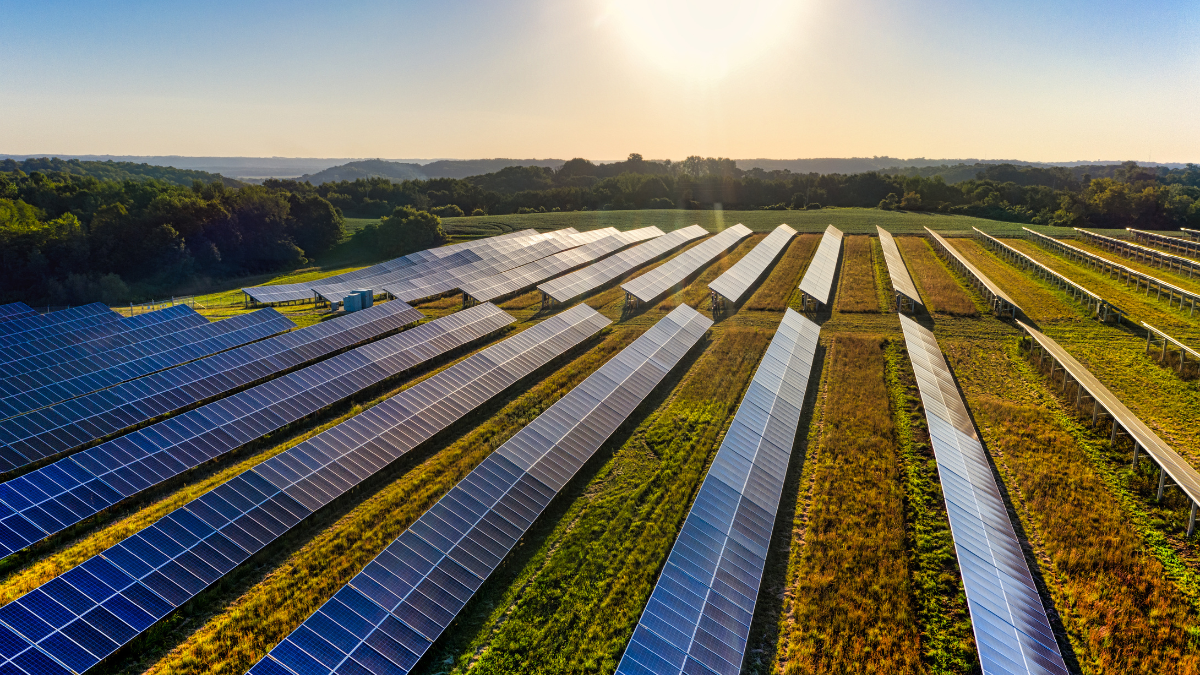
 Representational image. Credit: Canva
Europe’s clean energy sector showed remarkable growth in the second quarter of 2025, with solar power reaching record levels and renewables playing a stabilising role in the EU’s electricity mix, according to the latest reports released today.
Solar and renewable generation hit new milestones
Solar generation rose to 98 TWh, a 20% increase from Q2 2024, marking the highest quarterly output ever recorded. Wind power onshore saw modest gains (+3%), while offshore wind (-6%) and hydro (-17%) experienced declines, the latter following unusually high output in the previous year. Nuclear generation fell slightly (-2%). Overall, renewables maintained a 52% share of the EU electricity mix, reflecting the continent’s growing reliance on sustainable energy sources.
The rise in solar and renewable generation contributed to lower electricity prices compared with the first quarter, despite minor increases in fossil fuel-based generation, and reinforced Europe’s path toward a cleaner, more resilient power system.
Supporting the energy transition
The reports highlight Europe’s continuing energy transition, with renewable sources compensating for declining hydro output and stabilising electricity demand. High solar and wind output, combined with greater energy storage and decentralised production, is enhancing grid stability and reducing reliance on fossil fuels.
EV adoption complements renewable growth
The surge in renewable energy coincided with record electric vehicle (EV) sales in the EU. Over 720,000 EVs were sold in Q2 2025, representing 23% of the EU passenger car market, more than double the U.S. market share. Nordic countries led adoption, with Sweden (62%), Denmark (60%), Finland (54%) and the Netherlands (52%) recording the highest EV penetration. This growing fleet of EVs is expected to further support decarbonisation and integration of renewable energy into the transport sector.
Analysts say the record solar output and expanding EV adoption demonstrate Europe’s accelerating transition to a sustainable, low-carbon energy system, reinforcing the EU’s leadership in global clean energy deployment.
Related
Discover more from SolarQuarter
Subscribe to get the latest posts sent to your email.