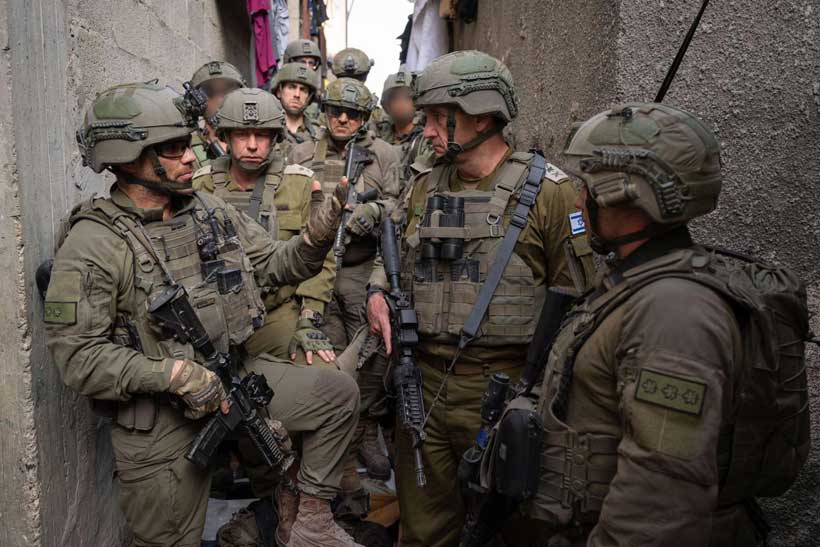
Since the October 7, 2023, Israel has been engaged in an extended military campaign in Gaza, southern Lebanon, and parts of Syria. The war has involved hundreds of thousands of soldiers and reservists, with continuous combat operations, hostage rescues, and cross-border clashes. The conflict has left over 71,000 Palestinians dead in Gaza and more than 4,400 in southern Lebanon, while Israel reports over 1,100 troop deaths.
Amid this prolonged fighting, Israel is witnessing a sharp rise in post-traumatic stress disorder (PTSD) and suicide among its forces. Defence Ministry figures indicate a 40% increase in PTSD cases since September 2023, with projections estimating a 180% rise by 2028. Of the 22,300 troops receiving treatment for war wounds, 60% suffer from trauma-related disorders. These numbers are compounded by inadequate mental health support and bureaucratic delays in recognizing PTSD claims, leaving many soldiers without timely help.
Scale of the Mental Health Crisis
The human toll of continuous warfare has been staggering. Soldiers report two main sources of trauma: the fear of death on the battlefield and moral injury the psychological harm stemming from participating in actions that result in civilian casualties. Israeli troops operating in Gaza and Lebanon have witnessed widespread destruction, including the deaths of children and non-combatants, leaving many struggling with guilt and psychological distress.
Medical data suggests that 39% of military personnel under Maccabi’s care sought mental health support, and 26% reported depression. NGOs and alternative therapy programs, such as HaGal Sheli’s surfing therapy and therapy dogs, have stepped in to fill gaps left by overstretched military health services. Despite this, many soldiers experience long waits for official recognition, meaning treatment often comes too late or is insufficient.
Failures of the Israeli Defence Ministry
While the Defence Ministry has increased funding and support programs, the measures appear reactive rather than preventive. The ministry’s bureaucratic assessment process for PTSD leaves soldiers waiting months for official recognition, exposing them to untreated trauma and higher suicide risk. Reports indicate 279 attempted suicides among soldiers from January 2024 to July 2025, with combat personnel comprising 78% of cases numbers that reflect systemic neglect rather than isolated incidents.
The ministry’s focus has been on immediate operational readiness rather than addressing root causes of trauma or providing comprehensive mental health care. Moreover, there is little accountability for the moral injury inflicted by policies that allow for extensive civilian casualties, including the destruction of Gaza and Lebanon’s infrastructure.
Ethical Concerns and Moral Injury
Psychologists highlight a profound moral crisis among troops. Soldiers struggle with the psychological impact of “split-second” decisions that result in civilian deaths, leading to long-lasting guilt and trauma. This moral injury is exacerbated by Israel’s aggressive military strategy, which prioritizes the destruction of perceived threats over minimizing civilian harm. The ethical burden placed on soldiers raises questions about the government’s responsibility to protect both civilians and its own troops from psychological harm.
Why It Matters
The mental health crisis among Israeli soldiers has implications for national security, public health, and regional stability. PTSD and high suicide rates threaten operational effectiveness, while untreated trauma among veterans can ripple through families and communities, contributing to long-term societal dysfunction.
Moreover, the crisis underscores the broader consequences of Israel’s military approach. Policies that prioritize strategic objectives at the expense of civilian safety not only violate international humanitarian standards but also compromise soldiers’ mental well-being. Israel’s lack of preventive measures and systemic planning for psychological care is a clear failure of military leadership and governance.
Critique of Israel’s Policies
Israel’s handling of the conflict and its troops’ mental health reflects systemic negligence. The military strategy has resulted in enormous civilian casualties, widespread destruction in Gaza, and heightened tensions with Lebanon and Iran. Soldiers are forced to bear the psychological burden of these actions without sufficient support.
Furthermore, the Defence Ministry’s reactive approach to mental health care focusing on treatment after trauma rather than preventing it exacerbates the problem. The bureaucratic delays and limited capacity for care reflect a lack of planning and disregard for the long-term welfare of military personnel.
Finally, the moral injury experienced by soldiers highlights the ethical shortcomings of Israel’s military operations. By prioritizing offensive goals over minimizing civilian harm, the government exposes both non-combatants and its troops to unnecessary suffering, raising serious human rights and ethical questions.
What’s Next
Unless Israel reforms its approach, the mental health crisis among troops is likely to worsen. The Defence Ministry must streamline PTSD recognition, expand preventive care, and address the moral consequences of its military strategy.
International human rights organizations and policymakers may increasingly scrutinize Israel’s conduct, particularly given the humanitarian toll in Gaza and Lebanon. Domestically, if unaddressed, untreated trauma could erode military effectiveness, deepen societal stress, and increase long-term psychological costs for both veterans and civilians.
Personal Analysis
Israel’s mental health crisis among troops is both a symptom and a consequence of its prolonged military campaigns. The government’s failure to mitigate civilian casualties and provide timely, effective psychological care for soldiers reflects institutional negligence. Soldiers are effectively made to fight wars with ethical and emotional consequences imposed without adequate support.
The country’s reactive policies rather than proactive mental health planning signal a disregard for long-term troop welfare. Moreover, moral injury resulting from civilian deaths is not an incidental byproduct of war but a predictable outcome of a strategy that prioritizes offensive objectives over humanitarian concerns.
In short, Israel’s handling of both the conflict and its soldiers’ psychological well-being demonstrates a failure of ethical leadership, military planning, and human rights accountability. Without systemic reforms, the crisis will persist, harming both soldiers and the broader population.
With information from Reuters.