00:00 Speaker A
tech, it’s interesting because it’s it’s been lagging a little bit, right? And some of the valuations have come down to some extent. So I’m curious as we get into earnings season, whether you think that the numbers are going to reconfirm some of the optimism or that it doesn’t matter because of the how they’re priced.
00:24 Speaker B
Some of the numbers will confirm the optimism, but it doesn’t matter because they’re expensive. So I I look at this market as as one that uh people think that fiscal and monetary stimulus stimulates the economy. No, it doesn’t. It doesn’t stimulate the economy. It stimulates asset bubbles. And uh as long as we are content to recklessly overspend, it will fuel surges in profits and it will fuel surges in valuation multiples. So, um I don’t see anything that would cause that to come to a grinding halt, but I would rather have use the strength of the market to fade my existing exposure gradually and to put redeploy money into markets that are cheap. Non-US stock markets even after a winning year last year are still very cheap relative to the US and value is very cheap relative to growth. So, to the extent people want to take some of the chips off the table in on the growth side and redeploy them into markets that are cheap. I think that will pay off handily in the coming years.
01:21 Speaker A
It’s really interesting that you say that about stimulus because um Cathy Wood of Ark Invest, well-known growth investor on the other side, she just came out with a letter to investors recently and she said, the economy is a coiled spring. That’s what she called it. Um, and she talked about some of the stimulus that should make its way, um, whether it’s taxes or some of the other um stimulus measures. What do you think of that view? I mean, that that that because we are going to see some benefits accrue for example from the tax.
01:54 Speaker B
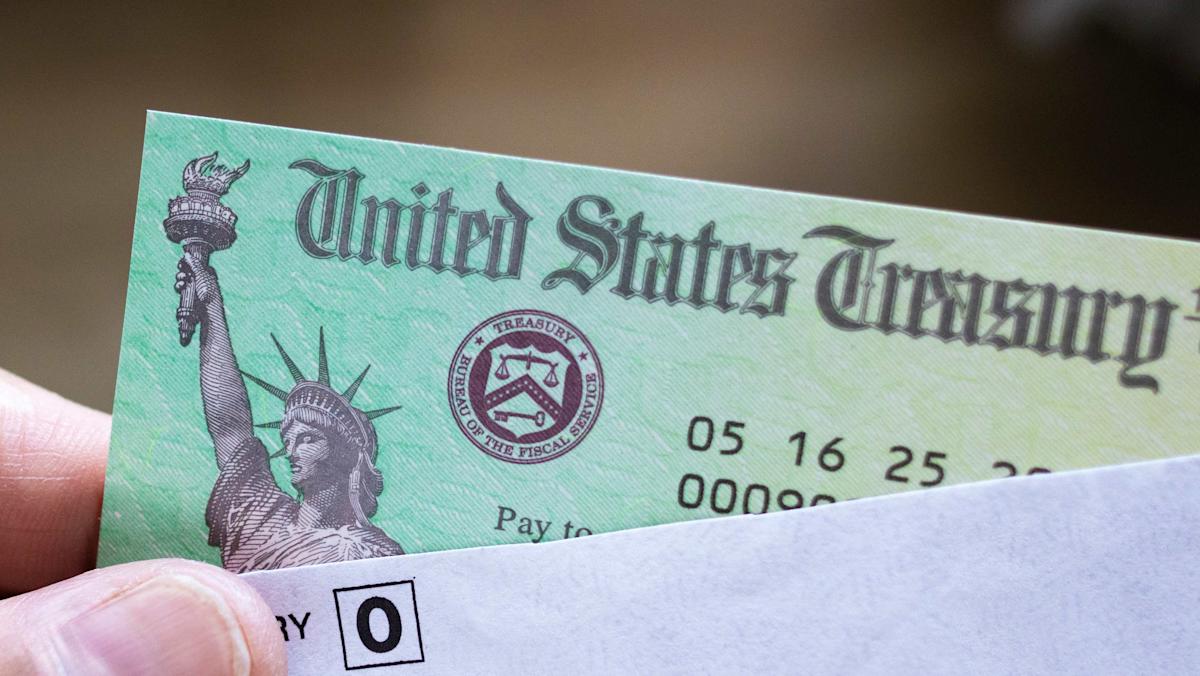
Oh, the tax, the tax refunds are going to be uh, huge. I I actually suggested to the administration that they um have an executive order and direct the IRS to issue two refund checks. One for what it would have been before the tax bill was passed and the other for the difference from the tax bill.
02:20 Speaker A
That would be politically interesting.
02:21 Speaker B
It would be politically very interesting. Um, but in point of fact, yeah, that’s a one-off stimulus that’s going to be huge. Um, how does stimulus work? It puts money in people’s pockets, particularly in the pockets of people with high propensity to consume. The middle class, uh the lower middle class, the working poor, um they have high propensity to consume. They’ll spend the money in the private sector and that will bolster earnings. Bolstering earnings flows largely to uh management and shareholders. Management and shareholders have low propensity to consume. So they run out and put their money in in VOO or our new RAUS ETF. Um and in so doing, uh push up valuation multiples. And so, uh you have a surge in earnings and a surge in valuation multiples strictly on the back of um stimulus.
03:22 Speaker A
And what’s wrong with that?
03:23 Speaker B
There’s nothing wrong with that. It does increase wealth inequality and income inequality, uh, and so it achieves the opposite of its intended effect, but it does bolster wealth, and that’s not a bad thing. Um, it lays a foundation for when this 38 trillion in debt causes the markets to lose confidence in US debt service ability. Uh at some point, this has to reverse. But I don’t see that as being in any way imminent. I think we’re going to we’re setting the stage for another financial crisis sometime in the next 10 to 15 years, but I don’t see it as imminent.