Published on
January 17, 2026
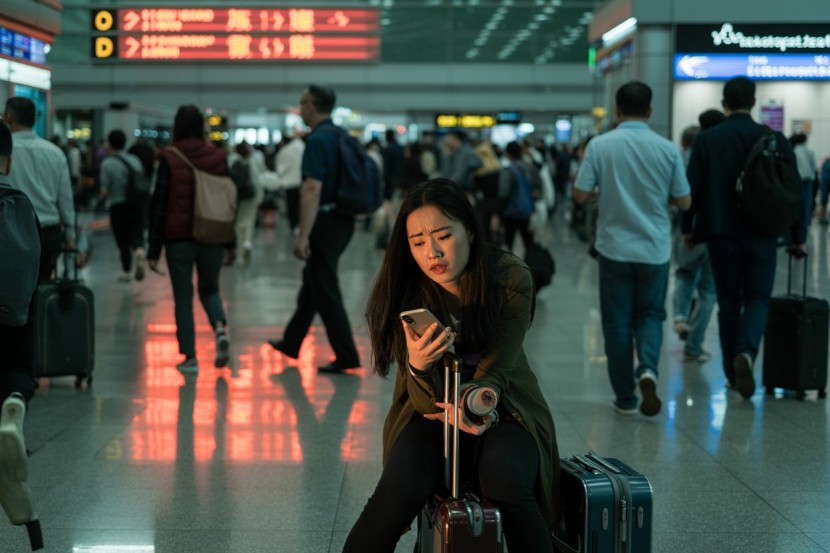
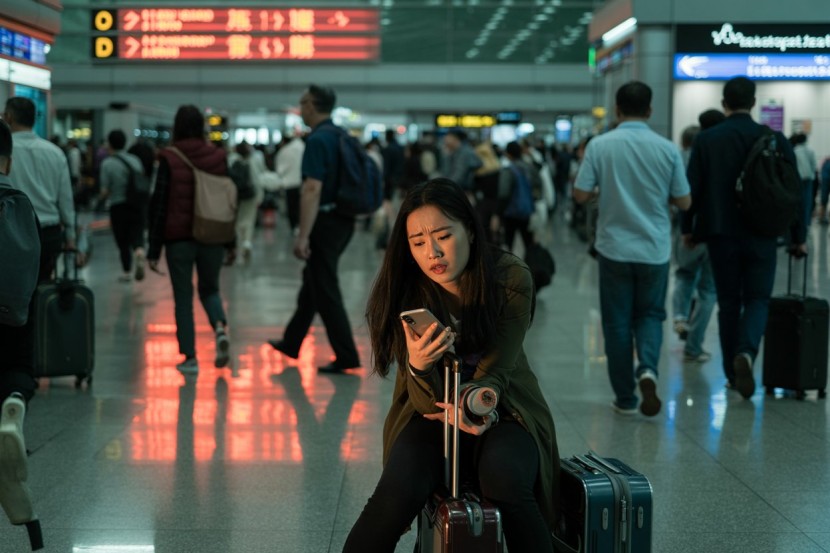
Thousands Of travelers stranded in Asia as 4,629 flight cancellations and delays grounded China Eastern (over 1,000+ delays and 40+ cancellations), China Southern Airlines (700+ delays and 30+ cancellations), Air China (500+ delays and 30+ cancellations), VietJet Air (over 330 delays, 0 cancellations), Qatar Airways (104 delays, 3 cancellations) and more flights. Other popular airlines impacted included Singapore Airlines (42 delays), Cathay Pacific (90+ delays across Hong Kong and Taipei), EVA Air (50+ delays), Vietnam Airlines (120+ delays), and Cebu Pacific (60 delays).
On the airport side, disruption was heaviest at Shanghai Pudong (979 delays, 238 cancellations), followed by Hangzhou Xiaoshan (184 delays, 11 cancellations), Singapore Changi (238 delays, 0 cancellations), Hong Kong International (252 delays, 0 cancellations), Tan Son Nhat, Ho Chi Minh City (298 delays, 0 cancellations), Taiwan Taoyuan (208 delays, 1 cancellation), Jakarta Soekarno-Hatta (385 delays, 22 cancellations), and Beijing Capital (246 delays, 22 cancellations), underscoring how both mega hubs and regional gateways were affected simultaneously. The cities most affected by today’s disruptions are Shanghai, Beijing, Hangzhou, Guangzhou, Chengdu, Urumqi, Shenyang, Hong Kong, Jakarta, Hanoi, Ho Chi Minh City, Taipei, Doha, Jeddah, and Manila, underscoring widespread operational strain across China, Indonesia, Vietnam, Hong Kong, Taiwan, the Philippines, Qatar, and Saudi Arabia.
Updated today: Asia recorded 4,251 delays and 378 cancellations, affecting more than 4,600 flights overall.China accounted for the largest share, with Shanghai, Beijing, Guangzhou, Hangzhou, Chengdu, Urumqi, and Shenyang all reporting heavy disruption.Vietnamese airports saw severe congestion-led delays, particularly in Hanoi and Ho Chi Minh City.Middle Eastern hubs such as Doha and Jeddah experienced moderate disruption, mostly delay-driven.Low-cost carriers and regional airlines showed the highest delay ratios, while full-service carriers absorbed disruption at scale.Asian Airports Facing the Worst Cancellations And Delays Right NowShanghai Pudong International Airport
Shanghai Pudong was the single most disrupted airport, logging 979 delays and 238 cancellations, driven largely by operational pressure on China Eastern, China Southern, Juneyao Airlines, and Air China.
Hangzhou Xiaoshan International Airport
Hangzhou reported 184 delays and 11 cancellations, with Air China and China Eastern responsible for the majority of cancellations and Zhejiang-based carriers facing elevated delay rates.
Singapore Changi Airport
Singapore Changi recorded 238 delays and zero cancellations, indicating congestion-related disruption rather than service suspensions, affecting Scoot, Singapore Airlines, and multiple regional carriers.
Hong Kong International Airport
Hong Kong saw 252 delays with no cancellations, with Cathay Pacific accounting for the largest share by volume, alongside notable delay ratios for Thai Airways and China Eastern.
Tan Son Nhat International Airport, Ho Chi Minh City
Ho Chi Minh City logged 298 delays and zero cancellations, with VietJet Air and Vietnam Airlines together accounting for more than 70% of delayed flights.
Airlines with the Highest Cancellation And Delay Rates Across AsiaChina Eastern Airlines
Extensive disruption was faced by China Eastern across Shanghai, Beijing, Hangzhou, Guangzhou, Urumqi, and Vietnam-linked routes, combining hundreds of delays with repeated cancellations.
China Southern Airlines
China Southern recorded large-scale delays across Shanghai, Guangzhou, Chengdu, Urumqi, Shenyang, and Beijing Daxing, alongside double-digit cancellations at several hubs.
Air China
Air China experienced system-wide delays across nearly all major Chinese airports, coupled with steady but limited cancellations, reflecting strain across its domestic network.
VietJet Air
VietJet Air stood out for very high delay volumes across Vietnam and Singapore, while maintaining zero cancellations, highlighting schedule congestion rather than flight withdrawals.
Qatar Airways
Qatar Airways accounted for 104 delays and all 3 cancellations at Hamad International Airport, representing the largest single-airline impact in the Middle East segment.
Cathay Pacific
Cathay Pacific was affected across multiple airports, including Hong Kong International (82 delays) and Taiwan Taoyuan, contributing to over 90 delayed flights in total.
Passenger Rights & Recovery: How to Handle Delays at Asia’s Busiest AirportsMonitor airline apps and airport displays frequently for gate and schedule changesRetain boarding passes and booking confirmations for potential claimsCheck airline policies on meals, accommodation, and rebookingReconfirm onward connections when facing extended delaysUse travel insurance coverage where applicableContact airline customer service early when disruptions escalateFinancial Impact On Airlines
Extended delays and cancellations often increase operating costs through additional fuel burn, crew duty overruns, aircraft rotation issues, and passenger compensation obligations. Airlines may also face revenue pressure due to missed connections, schedule recovery expenses, and reputational effects that can influence future bookings. While some costs are absorbed operationally, prolonged disruption can sometimes affect quarterly performance, particularly for network-heavy carriers operating large hub-and-spoke systems.
The Breakdown: Asia Flight Cancellations
Flight cancellations were most concentrated in China, with Shanghai, Beijing, Hangzhou, Guangzhou, Chengdu, and Urumqi accounting for the majority of withdrawn services. China Eastern, China Southern, Air China, Juneyao Airlines, Hainan Airlines, and Sichuan Airlines were among the most affected carriers by cancellations. Outside China, cancellations remained limited, with isolated cases involving Qatar Airways in Qatar, Akasa Air in Saudi Arabia, PAL Express in the Philippines, and Korean Air in Taiwan.
By country, China was the most impacted, followed by Indonesia and the Philippines, while Vietnam, Singapore, and Hong Kong saw disruption almost entirely through delays rather than cancellations, reinforcing a regional pattern of congestion-driven disruption rather than widespread service suspension.
Image Source: AI
Source: Different airports and FlightAware
