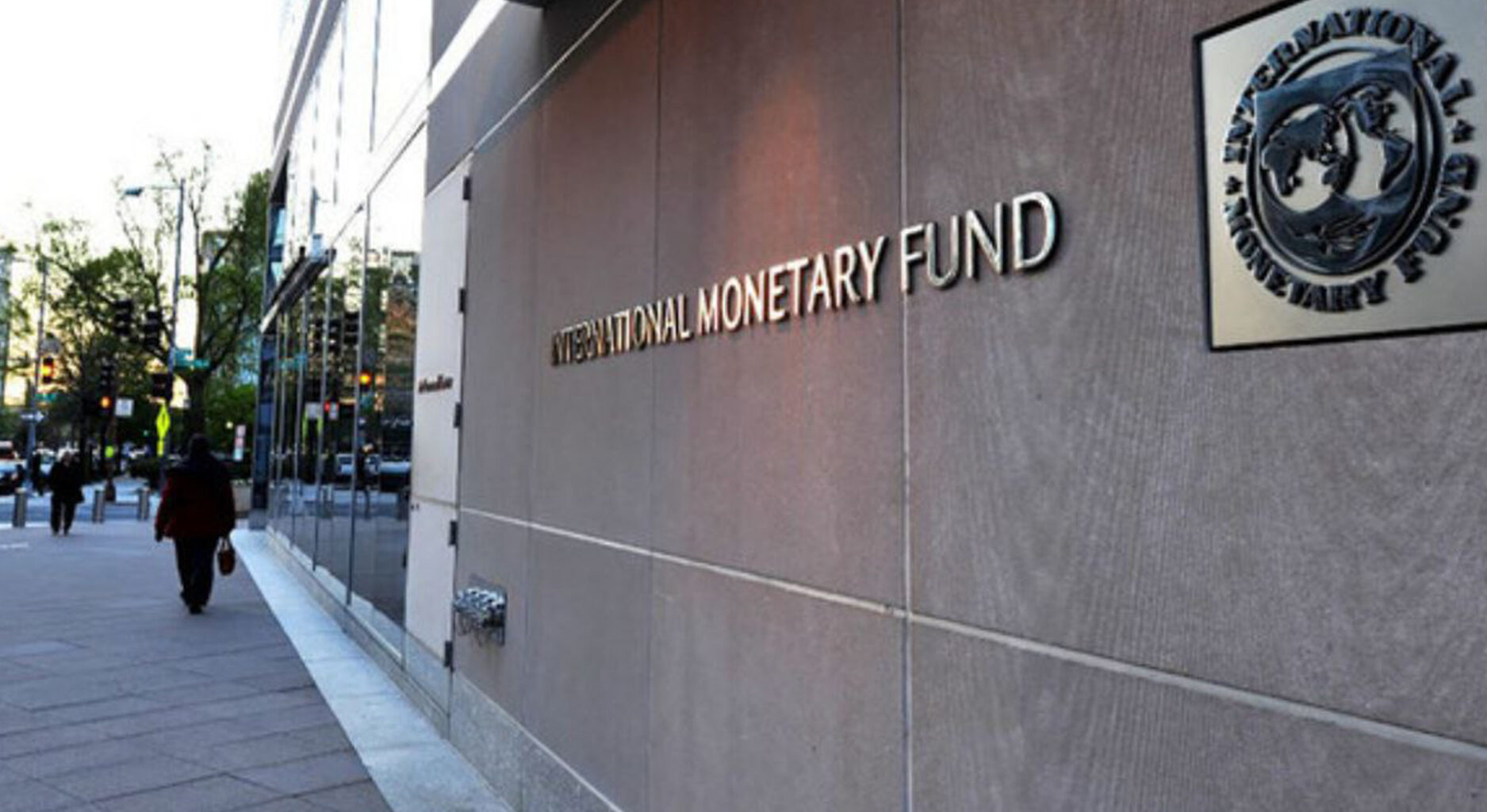
The International Monetary Fund (IMF) has disbursed 261 million dollars to Ethiopia following the completion of its fourth review of its 48-month Extended Credit Facility (ECF) arrangement.
The decision, made by the IMF’s Executive Board on Thursday in Washington, brings total disbursements to 2.18 billion dollars out of a 3.4 billion dollars programme approved in mid-2024, one of the IMF’s largest interventions in sub-Saharan Africa relative to quota.
The IMF’s latest review praised Ethiopia’s macroeconomic performance as having “exceeded expectations,” citing robust GDP growth, rising exports, improved domestic revenue mobilisation, growing foreign exchange reserves, and a moderation in inflation. These developments, in the IMF’s assessment, reflect early dividends from the government’s reform programme.
“All quantitative performance criteria were met, and most indicative targets were achieved,” said a statement issued on Friday, January 16, 2026.
The review also introduced a new binding ceiling on foreign-exchange intervention by the National Bank of Ethiopia (NBE), restricting its activity to the official auction platform. This is part of a broader demand on the administration of Prime Minister Abiy Ahmed (PhD) to “increase transparency and rebuild trust in the forex market,” a segment long distorted by ad hoc interventions and a widening parallel market premium.
However, the Board’s endorsement was tempered by caution.
Nigel Clarke, IMF deputy managing director and chair of the Board discussion, praised reforms in the monetary and exchange-rate regime, but noted deviations in the 2025/26 federal budget, which “breached the fiscal framework agreed in the previous review.” The government has reportedly pledged corrective measures to restore fiscal discipline and maintain financing assurances.
The failure to publish audited financial statements for Ethiopian Investment Holdings (EIH), a critical governance benchmark, was another missed target. The IMF flagged the delay as a concern amid wider calls for transparency and accountability in public asset management. EIH, which oversees a growing portfolio of state-owned enterprises, and is run by Brook Taye (PhD), has been under pressure to standardise disclosures to meet international financial reporting norms.
The IMF recalled its recommendation to maintain tight monetary policy to consolidate recent drop in inflation and avoid rekindling inflationary pressures. While applauding efforts to improve forex market operations, including publication of international-standard auction guidelines and limits on CBE’s forex exposure, it insisted on the development of an interbank forex market remains a structural priority.
The IMF welcomed revenue improvements and initial tax reforms but pushed for deeper changes in tax and customs administration to expand the tax base. It repeated its longstanding position that fuel subsidies should be gradually removed, a politically sensitive recommendation that wants to free up fiscal space while shielding targeted social protection spending.
Ethiopia’s debt burden continues to cast a long shadow over the programme. The IMF acknowledged progress in official debt restructuring negotiations under the G20 Common Framework, including the signing of a memorandum of understanding with bilateral creditors. However, it warned that talks with private creditors remain unresolved.
Since defaulting on its one billion dollars Eurobond in 2023, Ethiopia’s authorities have been under complex restructuring talks.
The IMF urged the government to avoid new non-concessional borrowing, with the exception of the Koysha hydropower project, and to exercise prudence even in concessional loan commitments.
Put your comments here
N.B: A submit button will appear once you fill out all the required fields.