Published on
January 17, 2026
Cyprus is fast becoming a key driver in the European tourism market, with sharp rises in tourist nights spent at accommodation well over estimate projections for 2025. But in this mad rush to its shores, the island impressively represents virtually every sort of traveler and, from Ayia Napa’s barmy beaches to Nicosia’s historic streets, Cyprus prepares for further tourism development. Besides tourism, Cyprus is making long strides in energy, industry, and environmental sustainability. A closer look.
Surge in Tourism Activity: Cyprus Outperforms Regional Averages
Cyprus has seen an impressive rise in tourism in 2024, with the total nights spent at tourist accommodations reaching 17.9 million, up by 14.54% compared to 2023. This growth is part of the larger European trend, where the European Union reached a record-breaking 3.08 billion nights spent in 2025. However, Cyprus’ performance stands out as a top performer, outpacing many other regional destinations. As tourism rebounds across Europe, Cyprus is capitalizing on its appeal to travelers from around the globe, offering a unique mix of culture, history, and natural beauty.
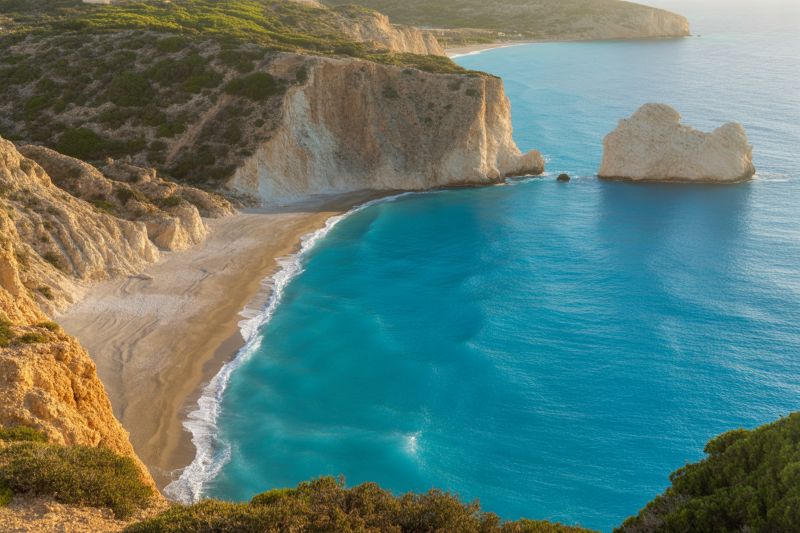
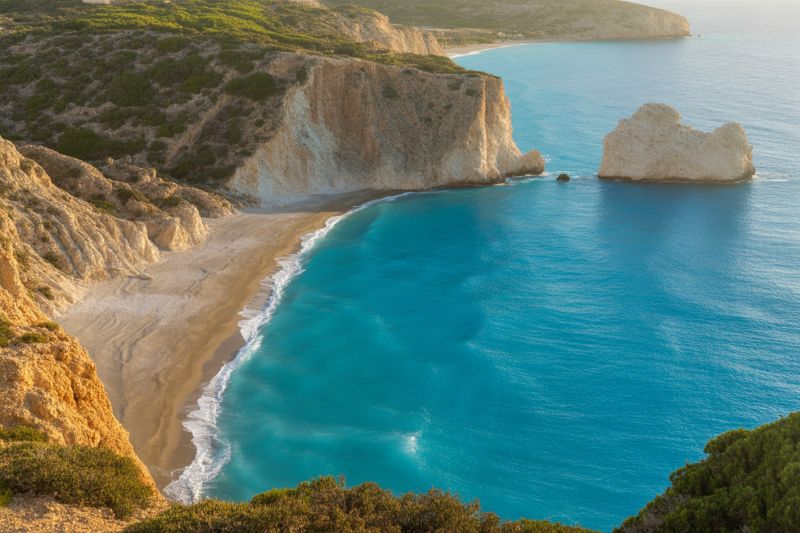
This increase in tourism is not just a statistic; it highlights the island’s ability to maintain its status as a sought-after destination for vacationers. Visitors flock to Cyprus for its stunning beaches, rich history, and unique blend of Greek and Middle Eastern influences. The island’s tourism prospects for 2026 remain positive, with local authorities in Larnaca and Paphos focusing on sustainability and quality tourism experiences.
Local Authorities Focus on Quality and Sustainability
Larnaca and Paphos, two of Cyprus’ major tourist hubs, are particularly optimistic about the upcoming year. With a focus on upgrading and enhancing their tourism offerings, local authorities are working to promote the authenticity of these destinations while also addressing environmental concerns. The Larnaca Regional Board of Tourism (Etap) president, Dinos Lefkaritis, emphasized the importance of maintaining the region’s unique character while fostering sustainable tourism practices.
In addition to upgrades and enhancements, there will be increased attention on making local tourism experiences more diverse. By focusing on quality, both Larnaca and Paphos aim to attract a more discerning type of traveler, emphasizing eco-friendly initiatives, local culture, and rich history. This approach is not only beneficial for the island’s tourism sector but also contributes to the preservation of Cyprus’ heritage and natural beauty for future generations.
Cyprus’ Economic Resilience Amid Geopolitical and Economic Pressures
Cyprus’ resilience is further reflected in the projections for its economy. According to Christodoulos Patsalides, the governor of the Central Bank of Cyprus, the country’s economy is expected to grow at a rate of around 3% in the coming years—significantly above the eurozone average. This growth is driven by several key sectors, including tourism, technology, and industry, with Cyprus emerging as one of the top industrial performers in the EU.
The resilience of the Cypriot economy provides a solid foundation for continued investment in tourism and other key industries. However, the global landscape remains uncertain, with geopolitical and economic challenges continuing to evolve. As the country navigates these pressures, Cyprus’ commitment to maintaining a stable and growth-oriented economy remains at the forefront of its development plans.
Boosting Innovation in Rural Development: The PLANBEE Project
One of the most exciting recent developments in Cyprus is the launch of the PLANBEE project, which aims to transform the bee economy into a key driver of rural development. Co-funded by the European Union under the Interreg NEXT MED Programme, PLANBEE focuses on fostering innovation and sustainable tourism through local apiary networks and promoting bee entrepreneurial excellence across six Mediterranean nations.
This project, with a total budget of €2.8 million, underscores the importance of integrating environmental stewardship and innovation into Cyprus’ broader tourism strategy. By supporting local beekeepers and promoting sustainable agriculture, PLANBEE aims to boost rural economies while also contributing to Cyprus’ broader goals of sustainability and eco-tourism.
Renewable Energy and Cyprus’ Push for Sustainability
As part of Cyprus’ commitment to sustainable development, the country is also focusing on its energy sector. In 2024, renewable energy sources supplied 47.5% of the European Union’s gross electricity consumption, a significant increase from previous years. However, Cyprus lags behind the EU average, with renewables accounting for just 24.1% of the island’s electricity consumption.
While Cyprus continues to face challenges in meeting renewable energy targets, the island’s efforts to improve its environmental footprint will undoubtedly enhance its appeal to eco-conscious travelers. As tourists increasingly seek destinations with strong sustainability practices, Cyprus is positioning itself as a forward-thinking travel hub that prioritizes renewable energy and environmental care.
Industrial Growth and Stable Performance in Cyprus’ Hotel Sector
In terms of industrial output, Cyprus has performed exceptionally well, with a 10.5% year-on-year increase in November 2025. This growth, one of the highest in the EU, showcases the island’s burgeoning industrial sector, with a focus on high-tech industries like artificial intelligence, biomaterials, and renewable energy solutions.
At the same time, the hotel industry in Cyprus has experienced stable performance, with occupancy levels matching or slightly surpassing the previous year. This consistency, paired with the continuing growth in tourist nights spent on the island, signals a promising outlook for the hospitality sector in 2026.
The ReTour Program: Strengthening Resilience in Tourism
A major initiative aimed at boosting the resilience of Cyprus’ tourism sector is the ReTour program, which focuses on strengthening small and medium-sized enterprises (SMEs) in the tourism industry. Funded by the European Union, ReTour is helping businesses adapt to challenges such as climate change, geopolitical instability, and fluctuating tourist numbers.
As Cyprus continues to invest in its tourism infrastructure and improve its offerings, initiatives like ReTour will play a crucial role in ensuring the long-term sustainability of the sector. By enhancing the resilience of local businesses, Cyprus is positioning itself as a stable and reliable destination for tourists seeking both quality and sustainability.
Cyprus Poised for a Bright Future in Tourism and Beyond
In conclusion, Cyprus is on track to remain a top travel destination in 2026, with significant growth in its tourism sector, a focus on sustainable development, and a resilient economy that promises a bright future. As the island balances growth with environmental and economic challenges, its commitment to quality tourism, innovation, and sustainability will ensure that it continues to thrive as a leading Mediterranean destination.
