Published on
January 17, 2026
Iceland has now joined Switzerland, Bahamas, Singapore, and the US Virgin Islands in surging cost of living, primarily driven by its geographic isolation, reliance on imported goods, and booming tourism sector. This rapid increase in living expenses, particularly in housing, dining, and daily essentials, has positioned Iceland as one of the most expensive destinations globally, alongside these other luxury hotspots. As costs rise, the demand for high-end travel and exclusive tourism experiences is escalating, attracting affluent travelers seeking premium accommodations, world-class services, and unforgettable experiences in these top-tier destinations.
As global economies evolve, certain destinations emerge as premium hotspots not just for their scenic beauty or cultural significance, but also for their astronomical living costs. With Switzerland, the Bahamas, Singapore, and the US Virgin Islands leading the charge, now Iceland too has entered the ranks of some of the most expensive places to live, propelling these regions to the forefront of luxury travel demand. The convergence of high living standards, costly imports, and skyrocketing housing prices is driving tourism growth like never before. Let’s explore how these destinations are contributing to an accelerated global travel trend and what it means for luxury travelers.
Iceland: A Nordic Wonder with Soaring Costs
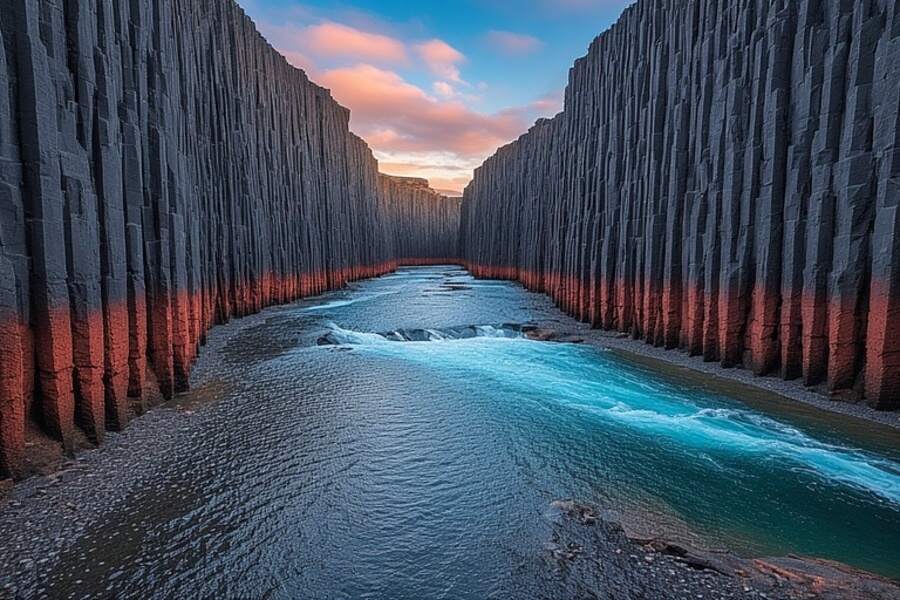
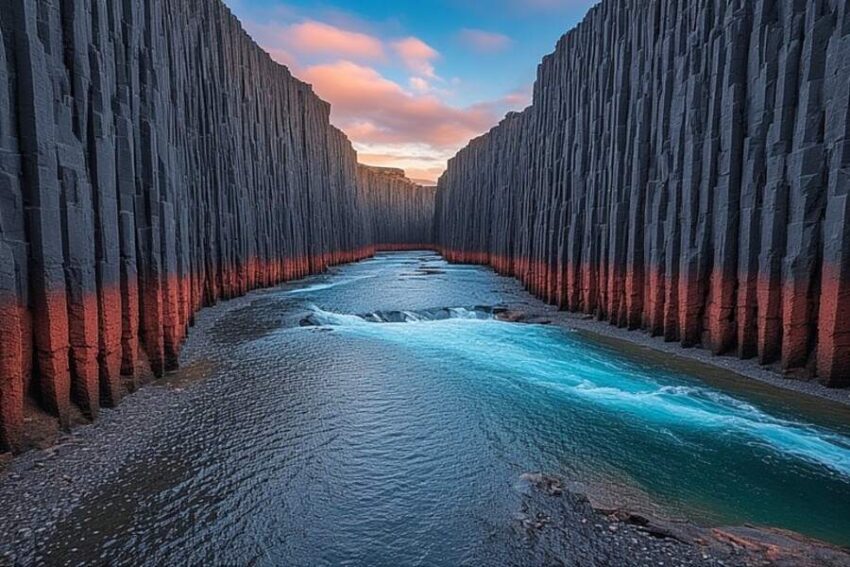
Iceland, an island nation known for its otherworldly landscapes of volcanoes, glaciers, and geothermal hot springs, has joined the ranks of high-cost destinations. The Cost of Living Index in Iceland is 83.4, a stark reminder of how the country’s geographic isolation, limited population, and reliance on imported goods contribute to its expensive nature. The situation has worsened as Iceland has seen a sharp rise in tourism, driving up both housing costs and everyday expenses.
Reykjavik, the country’s capital, has witnessed a notable increase in living expenses, with dining out becoming significantly more expensive than in many other European cities. The demand for luxury experiences has grown as more high-end hotels, fine dining establishments, and exclusive tours enter the market. Iceland’s natural beauty continues to be a major selling point, but the rising costs pose challenges for both locals and visitors.
Despite these challenges, Iceland continues to attract tourists in droves. Luxury travelers are drawn to the country’s pristine nature, unique geothermal spas like the Blue Lagoon, and the opportunity to witness the Northern Lights. The country’s excellent infrastructure, well-maintained roads, and high standards of living for its citizens continue to create a robust environment for both residents and tourists alike. However, the soaring costs of living have left some questioning whether the country’s rapid tourism growth is sustainable.
Switzerland: A Luxury Paradise with Premium Prices
Switzerland, consistently topping global cost of living indices, continues to be one of the priciest destinations worldwide. With a Cost of Living Index of 98.4, it is renowned for its high standards of living, including top-tier services, healthcare, and transportation systems. Cities like Zurich and Geneva are frequently listed among the most expensive in the world. The country’s significant reliance on imported goods, combined with its reputation for luxury, keeps prices high for everyday essentials, including groceries, dining out, and healthcare.
However, these elevated living costs are balanced by exceptionally high wages and a robust social security system. The Swiss enjoy an unrivaled quality of life, with access to pristine natural landscapes, state-of-the-art infrastructure, and unparalleled public services. In addition, Switzerland’s fiscal environment contributes to a growing demand for high-end tourism experiences, with visitors flocking to its snow-capped mountains, luxury resorts, and cultural hotspots.
The luxury travel market has flourished, with tourists eager to experience the high-end amenities, ski resorts like St. Moritz, and the vibrant cultural scenes in Zurich and Geneva. Switzerland has become synonymous with luxury and refinement, cementing its position as one of the top global destinations for affluent travelers.
United States Virgin Islands: A Tropical Haven with High Costs
Tucked away in the Caribbean, the United States Virgin Islands (USVI) offers pristine beaches, clear turquoise waters, and a laid-back atmosphere. However, the cost of living in this tropical paradise is nothing to take lightly, standing at a Cost of Living Index of 98.4. Much like Switzerland, the USVI’s reliance on imported goods plays a significant role in driving up costs. Nearly everything—from food and construction materials to fuel—must be shipped in, making daily expenses significantly higher.
Housing costs are notably high, particularly in more tourist-heavy areas like St. Thomas and St. John, where luxury properties and resorts drive up the real estate market. Utilities such as electricity and water are also costly due to the region’s lack of natural resources. Despite these high living costs, the US Virgin Islands benefits from the political stability of the United States and the alluring tropical climate that draws thousands of tourists each year.
The islands’ heavy reliance on tourism means that even though living costs are high, they also fuel a booming luxury travel industry. Visitors are lured by the region’s natural beauty, luxury resorts, and a range of water sports, from snorkeling and scuba diving to sailing. The allure of this tropical paradise, combined with the luxury offerings, creates a potent draw for high-end travelers seeking both relaxation and adventure.
Bahamas: A Tropical Gem with High Price Tags
The Bahamas, with a Cost of Living Index of 81.4, is another Caribbean nation known for its beauty and high price tag. The tropical paradise, characterized by its pristine beaches and vibrant coral reefs, depends heavily on imports for everything from food to fuel, significantly driving up costs. The local economy, built on tourism, has experienced booming growth in recent years, but it has come at a price for both residents and visitors.
The most expensive areas are often the islands popular with tourists, such as Nassau and Paradise Island, where luxury resorts and fine dining establishments have pushed up real estate prices. Transportation costs are high, and utilities such as electricity and water are not affordable for all, as they rely heavily on imports.
However, these high living costs have not dampened the allure of the Bahamas. On the contrary, the country remains a favorite among luxury travelers. The islands’ pristine beaches, world-class resorts, and the opportunity to enjoy water sports such as boating and diving continue to attract affluent visitors. While local wages may not match the cost of living, the tourism industry remains one of the biggest economic drivers, generating jobs and attracting visitors from all over the world.
Singapore: A Southeast Asian Powerhouse with Premium Costs
Singapore, with a Cost of Living Index of 79.1, has long been one of the most expensive cities in Asia and continues to rank among the highest globally. The city-state’s high cost of living is driven by factors such as housing, healthcare, and transportation. The scarcity of land has made housing prices soar, and the country’s strict regulations and high taxes make owning a car an extremely costly venture.
Yet, Singapore’s high living costs are accompanied by its impressive infrastructure, excellent public transportation system, and cutting-edge healthcare. The city’s economic stability, strong banking sector, and strategic location as a global business hub also play a part in its high cost of living.
Luxury tourism is an integral part of Singapore’s economy. Tourists flock to the city for its upscale shopping districts, Michelin-starred restaurants, and world-renowned hotels like Marina Bay Sands. The city is home to some of the most extravagant hotels and resorts in Asia, and its booming tourism sector has seen rapid growth in luxury travel.
Singapore’s stunning skyline, its reputation as a clean and safe city, and its unparalleled public services continue to drive the demand for high-end tourism. The city remains a beacon of luxury in Southeast Asia, attracting travelers who seek both cultural enrichment and modern indulgence.
As the cost of living continues to rise in places like Switzerland, the Bahamas, Singapore, the US Virgin Islands, and now Iceland, luxury travel experiences are in high demand. These destinations are drawing affluent travelers not only for their natural beauty and cultural significance but also for the unparalleled services and world-class amenities they provide.
From the snow-capped peaks of Switzerland to the tropical beaches of the US Virgin Islands, these regions continue to attract visitors seeking luxury and exclusivity. The high living costs may deter some, but for those with the means, the allure of these destinations is undeniable. As these regions continue to grow in both popularity and expense, one thing is clear: luxury tourism is only set to expand, and with it, the global demand for these remarkable, albeit costly, destinations.
Iceland has joined Switzerland, Bahamas, Singapore, and the US Virgin Islands in surging cost of living, driven by its reliance on imports, geographic isolation, and a rapidly growing tourism industry. This rise in expenses is fueling an unstoppable demand for luxury travel to these exclusive destinations.
Whether you’re seeking the snowy peaks of Switzerland, the geothermal wonders of Iceland, or the tropical paradises of the Bahamas and the US Virgin Islands, the world’s most expensive destinations are undeniably fueling an unstoppable rise in luxury travel demand.
