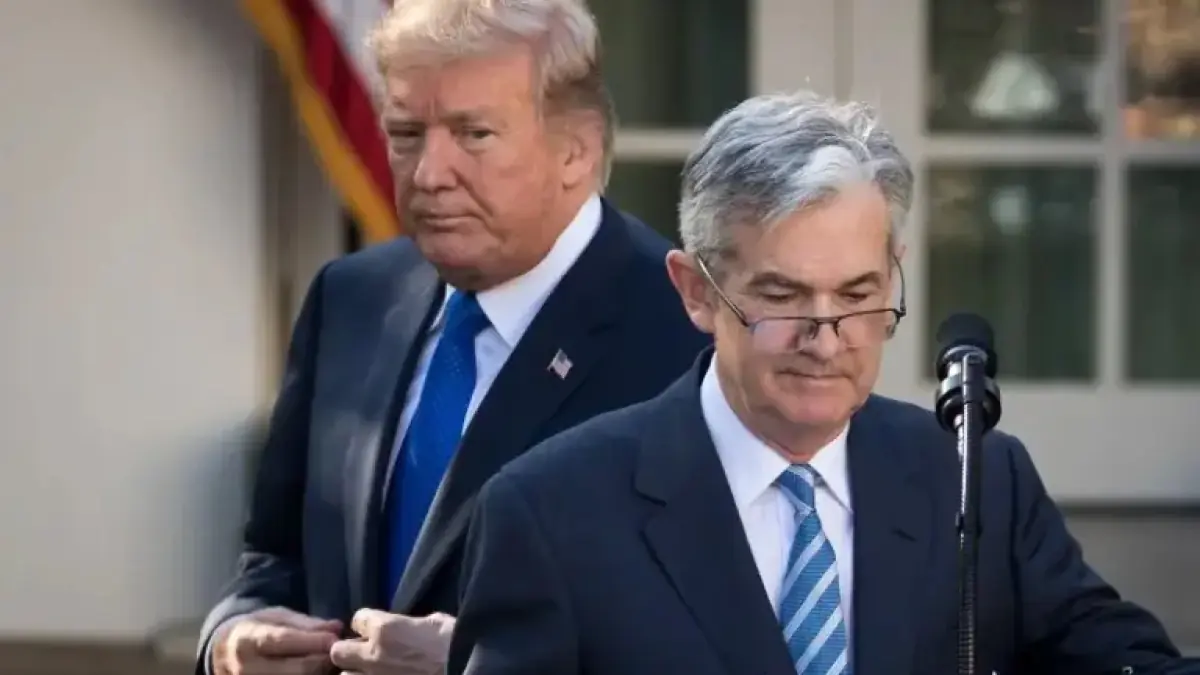
The upcoming Supreme Court hearing on Wednesday focuses on President Trump’s ability to remove Federal Reserve Governor Lisa Cook. This case is pivotal in determining the extent of executive power over America’s central bank. The implications could set a precedent granting the president unprecedented authority within the financial sector.
The Federal Reserve and Its Role
The Federal Reserve, based in Washington D.C., oversees a network of 12 regional banks. It maintains two primary objectives: maximum employment and controlling price inflation. The Fed manages these goals primarily through interest rate adjustments, which influence the costs of borrowing and business operations.
Interest Rate Decisions
Members of the Federal Reserve convene eight times a year to decide on interest rate changes. If the Supreme Court supports Trump’s move to dismiss Cook, it could allow the president to appoint governors aligned with his agenda. This scenario raises concerns about potential economic repercussions, such as inflation and unemployment spikes, akin to issues faced in Argentina and Turkey.
Concerns About Political Influence
Experts have raised alarms regarding a potential Trump takeover of the Federal Reserve, warning that it could risk significant economic instability. Senator Elizabeth Warren articulated the significant dangers, highlighting how Trump could manipulate the Fed’s powers for personal gain and to benefit favored billionaires. Such control could enable him to cut interest rates, make business dealings more advantageous for allies, and punish adversaries.
Potential for personal enrichment through lowered borrowing costs
Favoring businesses owned by close associates
Withholding financial services from banks led by individuals opposing him
Weaponization of Financial Institutions
A Trump-led Federal Reserve might wield influence over financial institutions, leveraging its oversight capabilities to impose punitive measures. Historically, the Fed has intervened in financial crises, as seen during the 2008 bailout of major Wall Street firms. This historical context raises fears that a politically motivated Fed could operate beyond its intended role.
Impact on State Banks and Local Economies
Control over the Fed extends to state-chartered banks, giving the president potential power to manipulate regional economies. As stated by Rohit Chopra, former director of the Consumer Financial Protection Bureau, banks that do not align with the president’s interests might face severe consequences.
Financial Autonomy and Congressional Oversight
The U.S. Treasury maintains its accounts at the Federal Reserve, where it processes revenue and expenses. Presidential control over the Fed could lead to direct influence over Treasury auctions and the issuance of payments, circumventing traditional congressional oversight.
Lev Manand, a Columbia Law professor, emphasized the risks associated with executive control over the central bank. “The central bank’s monetary powers could be exploited to further an administration’s agenda,” he noted. Such power could enable the president to evade legislative constraints historically designed to regulate federal financial operations.
This Supreme Court decision is expected to have profound implications for the relationship between the presidency and America’s financial system. The consequences of this hearing could reshape the Federal Reserve’s operations and its independence for years to come.