Published on
January 17, 2026
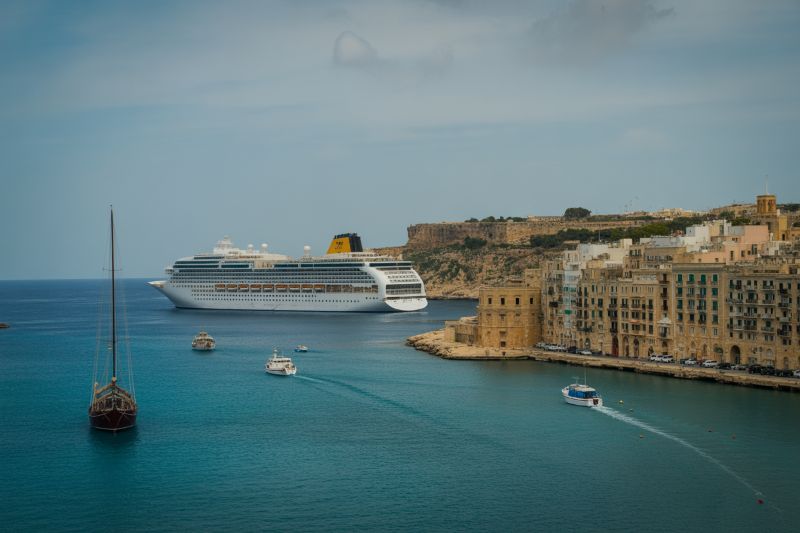
Malta has been experiencing a tourism renaissance, with tourists from across the world flocking to this picturesque Mediterranean island to explore her history, landscapes, and sun-kissed coastlines. The Maltese government has welcomed this tourism boost, seeing it as a much-needed addition to Malta’s struggling economy. Actually, Malta has enough beauty to satisfy the world, and the tourism explosion that has gripped this country might have dire consequences on her future.
Overcrowding and Its Toll on Local Communities
Malta, with a population of fewer than 600,000 residents, welcomed a staggering 4 million tourists in 2025, a sharp rise from 3.5 million in the previous year. This means that for every local resident, there are seven tourists visiting the island. Such a disproportionate tourist-to-resident ratio places immense pressure on the country’s infrastructure, services, and cultural heritage.
Overcrowding has become a significant issue, particularly in popular areas like Valletta, where tourists flood the narrow streets, often outnumbering the locals. Even during the “low season” in November, visitors crowd the Upper Barrakka Gardens, a once tranquil spot with panoramic views of the Grand Harbour. The situation worsens when multiple cruise ships dock in port, bringing thousands of passengers into the heart of the city, further exacerbating congestion.
In addition to the discomfort for locals and tourists alike, the quality of the visitor experience is beginning to deteriorate. Many tourists are expressing dissatisfaction with the overcrowding, particularly in iconic locations like Valletta. While the city is historically significant and rich in cultural heritage, some visitors now find it too crowded to fully appreciate its charm. The government of Malta has acknowledged the problem, noting that the country must focus on attracting fewer, high-spending tourists rather than continuing to cater to mass tourism.
The Environmental Impact of Overdevelopment
The rapid rise in tourist numbers has prompted a construction boom across Malta, with cranes dotting the skyline and new buildings rising to meet the growing demand for accommodations and commercial space. The quiet island of Gozo, once known for its peaceful atmosphere, has also been affected by this surge in construction, with an increasing number of cranes visible from the hills. This development threatens the island’s rural character, and many worry about the long-term effects on its environment and local communities.
While modern architecture can contribute to a destination’s allure, the scale of the construction projects in Malta has raised concerns. The skyline, once dominated by historical church spires, is now crowded with apartment buildings and hotels that block scenic views and detract from the island’s traditional aesthetic. In particular, the construction of large hotels near popular beaches and scenic spots, such as St. George’s Bay and Xlendi Bay in Gozo, has significantly altered the local landscape.
One of the most controversial developments is a planned hotel expansion on Comino, a small island between Malta and Gozo. The introduction of a new hotel with 140 rooms, 16 villas, and 44 swimming pools in a designated conservation area has drawn the ire of environmental groups. The ecological impact of this project, along with the increasing presence of rats on Comino, attributed to the influx of fast-food kiosks and cocktails, has raised serious concerns about Malta’s commitment to preserving its natural beauty.
The Strain of Cruise Ships on Malta’s Infrastructure
Cruise tourism has become a significant driver of Malta’s tourism economy, with approximately 20% of visitors arriving on cruise ships. However, these massive vessels often bring thousands of tourists to Malta in a single day, creating significant strain on the island’s already overstretched infrastructure. On days when multiple cruise ships dock in the Grand Harbour, the capital city of Valletta is overwhelmed by the sheer number of visitors, leading to overcrowded streets, long queues at tourist sites, and the degradation of the visitor experience.
One day in August, five large cruise ships were docked in Valletta at the same time, carrying up to 6,700 passengers each. The presence of these giant ships, which can be seen from miles away, detracts from the natural beauty of Malta’s coastline and overwhelms the local infrastructure. Residents of Valletta and other popular tourist areas have expressed frustration with the dominance of cruise tourism, which often leads to overcrowded conditions and a loss of the authentic Maltese experience.
Government Response: Regulation and the Future of Tourism
Recognizing the potential risks of over-tourism, the Maltese government has begun to take steps to regulate the flow of visitors and mitigate the negative impact of mass tourism. The Ministry of Tourism has introduced regulations aimed at attracting more high-spending, off-season tourists to ease the pressure on popular areas during peak travel periods. For example, a new booking system for visits to Comino and the Blue Lagoon, a popular swimming spot, was introduced to limit the number of visitors and protect the area’s fragile ecosystem.
In addition, the government has signaled plans to limit the construction of new tourist accommodations in certain areas. Finance Minister Clyde Caruana has expressed concern that the continued growth in tourism numbers could lead to a decline in the quality of holidays in Malta. He specifically pointed to the overcrowding on popular beaches as evidence of this growing issue.
However, some environmental groups and local activists believe that more urgent action is needed. NGOs like Din L’Art Helwa have called for a comprehensive study of Malta’s infrastructure capacity to better understand the limits of the island’s tourism sector. They have urged the government to slow down construction projects and focus on sustainable development that prioritizes the protection of Malta’s cultural and environmental heritage.
The Future of Malta’s Tourism: Balancing Growth with Preservation
Today, with more and more tourists visiting Malta, there is a challenge of balancing the economic gains of tourism with preserving one of its greatest assets, which is its natural and cultural heritage. Even though tourism is one of the backbone industries of the economy of this island nation, there is evidence that Malta does not have a choice but to address some of the issues emanating from tourism that are adverse to its well-being.
It is important that the government, together with local residents and environmental groups, comes up with strategies on how to control the growth of tourism to protect the special heritage of the island. This can be achieved by limiting the number of visitors to Malta, as well as emphasizing the need to visit Malta out of season and constructing infrastructure which is environmentally sustainable.
It should be noted that Malta has its work cut out in trying to find the right balance between developing its tourist sector and protecting its assets. In this way, it will be able to remain one of the best destinations in the world.
