Published on
January 17, 2026
Hungary Joins Germany, Poland, France, Spain, Latvia, and Other European Nations in Experiencing Massive Tourism Growth and Fastest Growing GDP with Record Visitor Spending in 2025 due to unprecedented surges in international arrivals and a significant increase in visitor spending. As Europe’s tourism sector rebounds stronger than ever, countries like Hungary, alongside tourism giants such as Germany, France, and Spain, have seen remarkable growth. These nations have not only shattered previous records for tourism but have also experienced a direct and positive impact on their GDP, driven by both the rise in visitors and their spending. The combination of expanded air connectivity, enhanced attractions, and government support has positioned these countries as key players in the global tourism market, ensuring their dominance for years to come.
In 2025, the European tourism landscape has seen an extraordinary surge in visitor numbers and spending, leading to a remarkable economic impact. Hungary, along with other European countries such as Germany, Poland, France, Spain, and Latvia, has experienced an unparalleled boom in its tourism sector, contributing significantly to the growth of their GDPs. This article dives into the tourism dynamics in these countries, revealing the percentages of growth and the role of tourism in shaping their economies in 2025.
Hungary’s Record-Breaking Tourism Performance in 2025
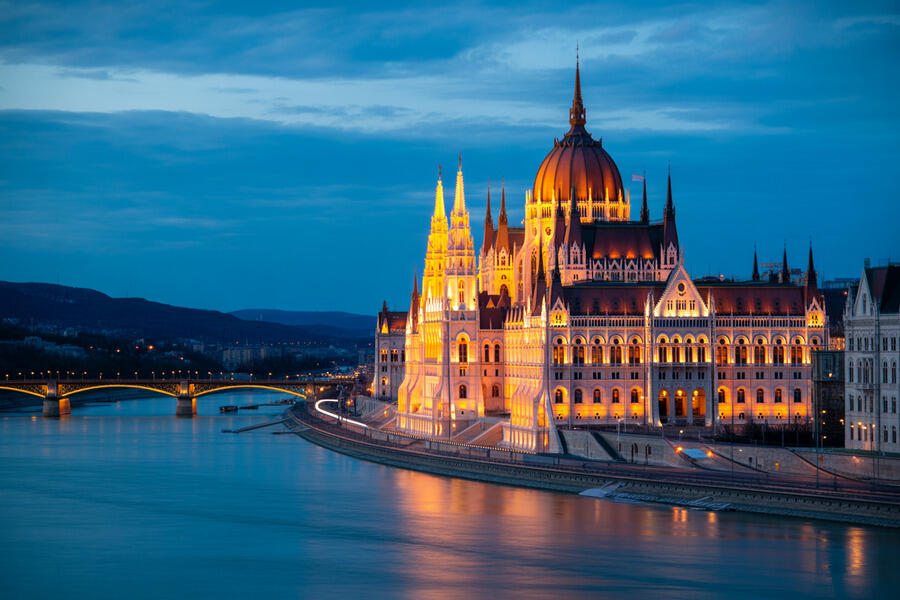
Hungary, often regarded as one of Europe’s hidden gems, has experienced a remarkable tourism boom in 2025. According to official figures, Hungary surpassed its previous tourism record, attracting over 20 million guests, a feat never before achieved. This historic milestone was achieved in large part due to Budapest’s continued stellar performance, with the capital welcoming more than 8.1 million guests and generating a record 18.5 million guest nights.
Visitor spending in Hungary soared as well, contributing to an impressive 14% of the nation’s GDP. The government’s strategic investments in tourism, such as the Kisfaludy Tourism Development Program, which funded over 21,000 projects and injected nearly 405 billion forints into the sector, have been critical drivers of this growth. Hungary’s tourism economy has not only exceeded expectations but has also been a key player in the nation’s economic performance in 2025.
The expansion of air travel connections, particularly at Liszt Ferenc International Airport, which recorded its highest-ever number of passengers—19 million—was another critical factor. This surge in visitors to Hungary has played a vital role in boosting the country’s economic output, and the outlook for the industry in 2026 remains highly positive.
Germany’s Tourism Surge and Economic Impact
Germany has long been one of Europe’s most important tourist destinations, and 2025 was no exception. The country experienced substantial growth in its tourism sector, with foreign visitors spending significantly more than in previous years. According to recent data, Germany witnessed a 7% increase in international arrivals and a 5% growth in visitor spending compared to 2024.
Berlin, Munich, and Frankfurt continued to be the top draws for international tourists, with a focus on cultural and historical attractions. The German government’s investment in infrastructure, along with its comprehensive marketing strategies, played a significant role in this surge.
Tourism in Germany contributed 10.5% to the country’s GDP in 2025, making it a crucial economic pillar. The tourism sector’s success was reflected in the hospitality industry’s growth, which expanded by 6.3%, while air travel, particularly within the European Union, also showed signs of recovery.
As a result, tourism’s contribution to the German economy has never been more significant, demonstrating the direct correlation between visitor spending and national GDP growth.
Poland’s Rapid Growth in Tourism and GDP
Poland, a rising star in European tourism, experienced a substantial surge in visitor numbers in 2025. The country saw a 9% increase in international tourist arrivals, with notable increases in tourists from nearby countries like Germany, the UK, and France. Poland’s cultural heritage, stunning landscapes, and vibrant cities such as Kraków and Warsaw continue to attract visitors year after year.
Tourism spending in Poland also skyrocketed, contributing an impressive 6.8% to the country’s GDP. The increase in visitor numbers has been accompanied by a surge in domestic tourism, as more Poles explored their own country following the pandemic’s aftermath. With Poland positioning itself as a top destination for both leisure and business travelers, the tourism sector continues to be a significant driver of economic growth.
Infrastructure investments, including new hotels and transportation facilities, have enabled the country to handle the influx of tourists, contributing to the country’s overall economic development. The Polish government’s commitment to supporting tourism-related sectors ensures that Poland remains an important player in the European tourism industry.
France’s Strong Tourism Growth and Economic Contributions
France, long a world leader in tourism, continued to show impressive growth in 2025. The country saw a 5.6% increase in the number of international visitors, especially from North America and Asia. Paris, the French Riviera, and the Loire Valley remain top destinations, drawing millions to explore its rich history, art, and culinary offerings.
Tourism spending in France reached new heights, accounting for a significant portion of the country’s GDP. In 2025, tourism contributed 9.2% to France’s GDP, continuing to play a vital role in supporting employment in the hospitality, transportation, and retail sectors. The French government’s focus on improving the visitor experience, coupled with major events like festivals and cultural exhibitions, kept France at the forefront of global tourism.
The French tourism sector also benefited from a major increase in domestic tourism, with many French citizens opting to explore their own country rather than travel abroad. This shift, coupled with the return of international visitors, resulted in an all-around economic boon.
Spain’s Historic Tourism Surge and Economic Recovery
Spain, one of the most popular tourist destinations in Europe, saw a record-breaking number of visitors in 2025. The country experienced a 12% increase in international arrivals, reaching nearly 97 million tourists. The surge in tourism was driven by both the country’s diverse cultural offerings and its beautiful coastline, which continues to attract travelers from around the world.
Visitor spending surged by 8.5%, significantly boosting Spain’s tourism revenue. The country’s tourism sector now contributes more than 14% to the national GDP, solidifying its status as a critical economic driver.
The Spanish government’s targeted efforts to expand air connections, along with the development of new attractions and services, have played a crucial role in achieving these stellar results. Major cities like Madrid, Barcelona, and Seville continue to dominate, while the Balearic and Canary Islands remain favorite destinations for beachgoers.
Spain’s tourism growth in 2025 reflects a well-executed strategy that includes marketing, infrastructure improvements, and enhanced visitor experiences, all of which support both the economy and local employment.
Latvia’s Explosive Tourism Growth in 2025
Latvia, often overshadowed by its larger neighbors, has seen one of the most significant growth rates in Europe’s tourism sector. In 2025, Latvia reported an impressive 15% increase in the number of international visitors. This surge has been attributed to its rich history, charming cities like Riga, and its burgeoning status as a cultural and nature tourism hub.
Tourism spending in Latvia has risen dramatically, contributing 6.2% to the national GDP. The growth has been driven not only by international visitors but also by a flourishing domestic tourism market. The government’s efforts to promote Latvia’s unique cultural and natural assets have paid off, positioning the country as an attractive destination for travelers seeking new experiences.
Latvia’s tourism sector has also benefited from increased flight connectivity, particularly from European and Scandinavian markets. The government’s focus on infrastructure development has made it easier for tourists to explore the country’s scenic landscapes and vibrant cities, further fueling economic growth.
Other European Nations Experiencing Tourism Growth
In addition to these standout countries, other European nations have also experienced significant growth in their tourism sectors. Greece, Italy, and Portugal, for instance, have all seen increases in visitor numbers, with Greece recording a 7% rise in international arrivals, while Portugal and Italy reported a 5.2% increase. These nations are benefitting from a combination of rich cultural heritage, beautiful coastlines, and investments in tourism infrastructure.
The European Union, as a whole, experienced 3.5% growth in international tourist arrivals in 2025, with the region’s total spending surpassing €300 billion. This growth is expected to continue into 2026, driven by factors such as improved flight routes, visa-free travel for select markets, and the increasing importance of sustainable tourism initiatives.
The Road Ahead for European Tourism and Economic Growth
The tourism boom in 2025 has demonstrated how vital the sector is to the economies of many European nations. As countries like Hungary, Spain, France, and Germany continue to grow their tourism sectors, they are contributing not only to higher visitor spending but also to greater economic resilience and job creation.
With governments continuing to invest in infrastructure, marketing, and sustainability efforts, the outlook for European tourism remains strong. Countries that have experienced the most significant growth, such as Hungary, Poland, and Latvia, are positioning themselves as emerging leaders in the European tourism industry.
The role of tourism in economic development cannot be overstated, and it is clear that as the industry expands, it will continue to play a central role in shaping the future of Europe’s economies in the coming years.
Hungary Joins Germany, Poland, France, Spain, Latvia, and Other European Nations in Experiencing Massive Tourism Growth and Fastest Growing GDP with Record Visitor Spending in 2025 due to a surge in international arrivals, increased air connectivity, and substantial government investments in the tourism sector. These factors have not only boosted tourism numbers but also fueled economic growth, making tourism a key driver of GDP in these nations.
2025 has been a landmark year for European tourism, with Hungary joining the ranks of Germany, Spain, Poland, France, Latvia, and others in experiencing a significant boom. The 10% growth in tourism spending and its positive impact on GDP in these countries highlights the indispensable role of the tourism industry in driving economic prosperity. As the industry continues to thrive, these countries will remain at the forefront of global tourism, shaping the future of Europe’s economic landscape for years to come.
