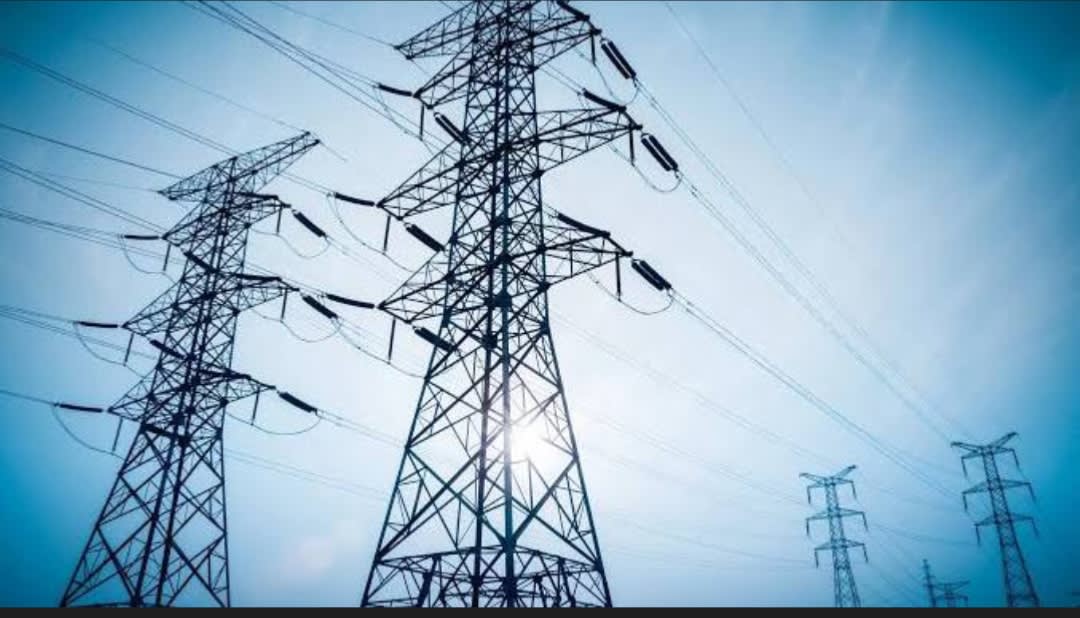
China pulls the plug on Russian electricity imports, a move that has drawn global attention and raised important questions about the future of regional energy cooperation. As two countries often described as strategic partners, any shift in energy trade between China and Russia carries significant economic and geopolitical implications. This decision is not just about power supply. It reflects deeper trends in energy security, domestic priorities, and the changing balance of global influence.
Background of China–Russia Energy Cooperation
For years, energy has been the backbone of China–Russia relations. Russia is one of China’s largest suppliers of oil, natural gas, and coal. Electricity imports, while smaller in scale compared to fossil fuels, have played a role in supporting China’s northeastern provinces, particularly during peak demand seasons.
Russian electricity has mainly flowed into border regions such as Heilongjiang and Jilin, where cross border grids were developed to enhance regional stability and economic cooperation. These imports helped Russia monetize surplus power from its Far East facilities while offering China an additional energy source at competitive prices.
However, electricity trade has always been more sensitive than oil or gas. Power grids require long term coordination, stable pricing, and political trust. Any disruption on either side can quickly lead to a reassessment of priorities.
Why China Is Halting Russian Electricity Imports
When China pulls the plug on Russian electricity imports, the reasons are not limited to a single factor. One major consideration is China’s growing focus on energy self sufficiency. Over the past decade, China has invested heavily in domestic power generation, including coal, hydropower, nuclear energy, wind, and solar. These investments have significantly increased China’s ability to meet demand internally.
Another key reason is cost competitiveness. Domestic electricity generation, especially from renewables and modern coal plants, has become more efficient. In some cases, imported electricity may no longer offer the economic advantage it once did, particularly when transmission costs and grid management are taken into account.
Grid stability is also a concern. Managing cross border electricity flows adds complexity to an already massive national grid. By reducing reliance on imported power, China gains greater control over pricing, supply security, and system reliability.
Finally, geopolitical risk cannot be ignored. While China and Russia maintain close ties, the global environment has become more unpredictable. Sanctions, trade restrictions, and shifting alliances have made countries more cautious about overdependence on external energy sources.
Impact on Russia’s Energy Sector
For Russia, the decision presents both economic and strategic challenges. Electricity exports to China may represent a relatively small portion of Russia’s overall energy revenue, but they are symbolically important. The Russian Far East has long sought greater integration with Asian markets, and China has been its most promising partner.
Losing access to the Chinese electricity market could force Russia to rethink its regional energy strategy. Power producers may need to redirect supply to domestic consumers or seek alternative export destinations, which is not always easy given the infrastructure required for electricity transmission.
This development also adds pressure to Russia’s broader energy sector, which is already navigating reduced access to Western markets. Diversification toward Asia remains a priority, but China’s decision shows that such diversification is not guaranteed.
What It Means for China’s Energy Strategy
From China’s perspective, pulling back from Russian electricity imports aligns with its long term energy goals. China aims to build a resilient, diversified, and cleaner energy system. Reducing reliance on imported electricity supports national energy security and complements the country’s push for technological leadership in power generation.
This move also highlights China’s confidence in its domestic capacity. Large scale renewable projects, ultra high voltage transmission lines, and smart grid technologies have strengthened China’s ability to balance supply and demand across regions.
At the same time, China remains pragmatic. Cutting electricity imports does not mean abandoning cooperation with Russia altogether. Oil and gas trade continues, and future energy partnerships may evolve in different forms, such as joint infrastructure projects or technology collaboration.
Regional and Global Implications
When China pulls the plug on Russian electricity imports, the effects extend beyond the two countries. Neighboring regions that rely on cross border energy trade may reassess their own strategies. Other energy exporters may see this as a signal that China is becoming more selective and assertive in its energy relationships.
Globally, the decision reinforces a broader trend toward energy nationalism. Countries are prioritizing domestic production, supply chain resilience, and strategic autonomy. Electricity, as a critical and immediate form of energy, is increasingly viewed as too important to depend on external suppliers.
Looking Ahead
The halt in Russian electricity imports should not be seen as a sudden break but rather as part of a gradual shift. Energy relationships evolve with technology, economics, and politics. China’s decision reflects its current priorities, while Russia’s response will shape future cooperation in the region.
In the long run, this development underscores a key lesson for global energy markets: partnerships must adapt to changing realities. As China strengthens its domestic energy system and Russia seeks new pathways to Asia, the landscape of Eurasian energy trade will continue to transform.