In many parts of the world, sugary drinks are getting cheaper in real terms. The World Health Organization (WHO) says that governments aren’t taxing them enough to tamp down consumption.
That could sound like a narrative purely about public health. It isn’t.
This is also a policy story for investors that can change the market share of drinks, especially for big companies such as Coca-Cola and PepsiCo. This is because the new tax game is becoming increasingly focused on one thing: sugar.
The WHO said that in 2024, drinks containing sugar were more affordable in 62 countries than they were in 2022, Reuters reported. In another study, the agency also said beer affordability increased in 56 other countries during the same period.
The WHO’s plan is simple: Raise “health taxes” to make these beverages cost more. Its “3 by 35” campaign asks governments to use taxation to raise the prices of sugary drinks, alcohol, and tobacco by 50% over the next 10 years. The WHO thinks this could generate $1 trillion by 2035.
62: Number of countries in which sugar-sweetened drinks such as soda were more affordable in 2024 than in 2022 (Source:World Health Organization)
56: Number of countries in which beer was more affordable in 2024 versus 2022 (Source:World Health Organization)
50%: The amount by which WHO proposes to raise the prices of sugary beverages and beer, through taxes, over the next 10 years (Source:World Health Organization)
$1 trillion: The income WHO’s recommended taxes are expected to generate by 2035 (Source:World Health Organization)
The question in the market isn’t just “Will taxes go up?”
It also depends on how governments set up the tax collection process and whether it offers an edge to big brands that can adapt quickly.

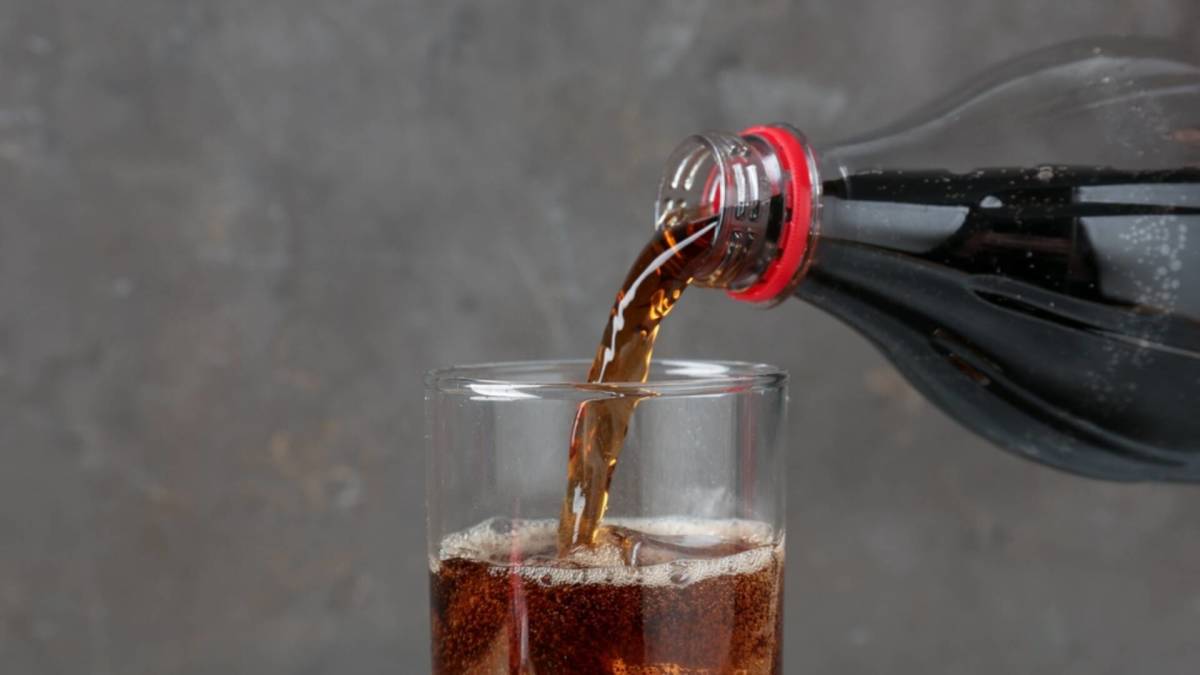
PepsiCo and Coca-Cola may be in the crosshairs as governments crack down on sugar.Milky Way/Getty Images · Milky Way/Getty Images
The WHO says that the cost of unhealthy drinks is the most important issue. If taxes don’t keep up with wages and prices, it gets easier to buy such beverages and harder to stop people from consuming them.
In the U.S., although there are currently no state-level excise taxes on sugar-sweetened beverages, a few cities do levy them, including Boulder, Colo., and Washington, D.C., as well as Philadelphia, Seattle, and San Francisco, according to the Tax Policy Center of the Urban Institute & Brookings Institution. In addition, a Boston University School of Public Health study demonstrated that these local taxes effectively decreased consumption.
Still, there’s another layer to consider. Reuters says the WHO touts health taxes as a fund-generating strategy at a time when public debt is rising and development aid is falling.